News
Geopolitics · Iran Conflict · Oil Prices · US-Israel Relations
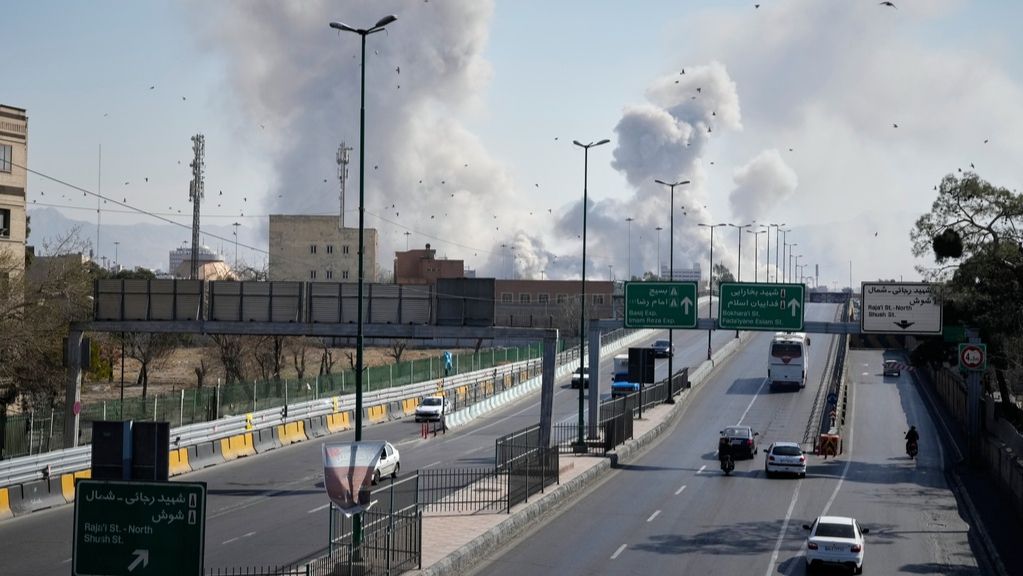
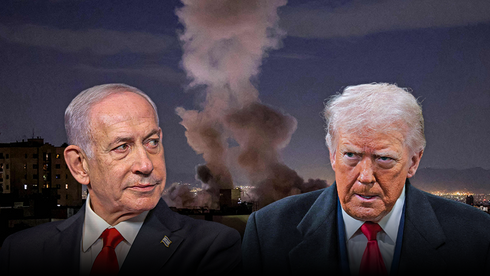
The US and Israel, ten days into a joint offensive against Iran, are experiencing a significant divergence in strategy and public support.
US President Trump, facing domestic political pressure and spiking oil prices, has declared the war "pretty much" over, contradicting earlier vows for a prolonged campaign. This contrasts sharply with Israel's stated goal of "permanently weakening" Iran, a long-term objective not fully shared by the US, which has broader global priorities.
American public support for the offensive is historically low, with 53% opposing military action and 44% believing the US is overly supportive of Israel, a sentiment exacerbated by the recent Gaza conflict. Meanwhile, Iran has retaliated with missile and drone attacks, including choking the vital Hormuz Strait, driving oil prices higher.
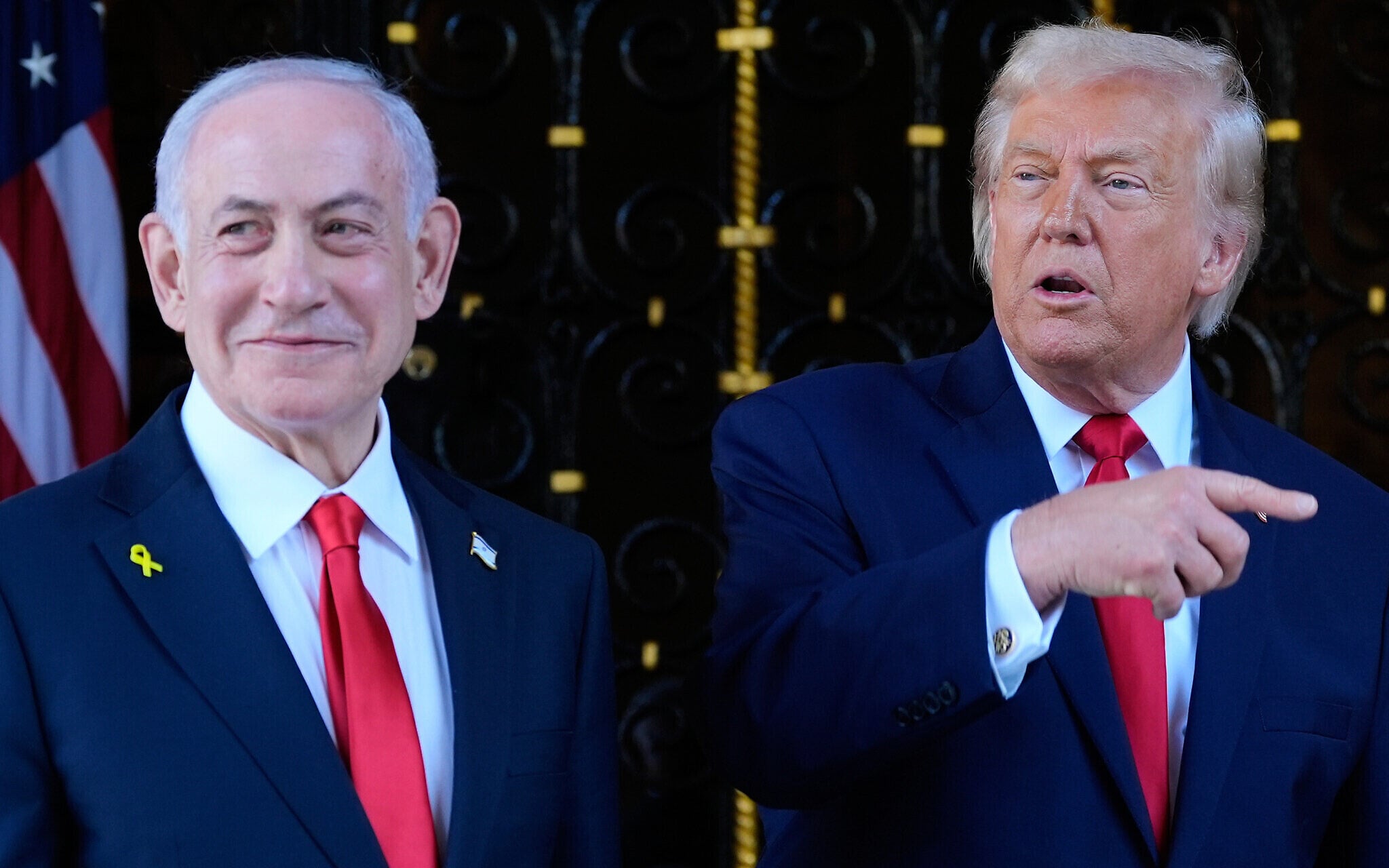
The conflict highlights a growing partisan divide in US politics regarding Israel, with prominent Democrats questioning aid and policy. Analysts suggest Trump holds unprecedented leverage over Israeli Prime Minister Netanyahu, indicating a potential US-driven de-escalation despite Israeli objectives.
This geopolitical friction underscores market volatility, particularly in energy sectors, and signals a potential re-evaluation of long-standing alliances.
Iran Conflict Escalates, Araghchi Halts US Talks, Oil Surges
Iran Adopts Russia's Drone Swarm, Challenges US Defenses
Trump Escalates Iran War, DHS Fails, Markets React