News
Defense · Drones · Geopolitics · Military Technology
Iran's Shahed-131 and Shahed-136 'kamikaze' drones, costing $20,000-$50,000 each, are effectively overwhelming advanced US-Israel air defense systems like PATRIOT and THAAD.
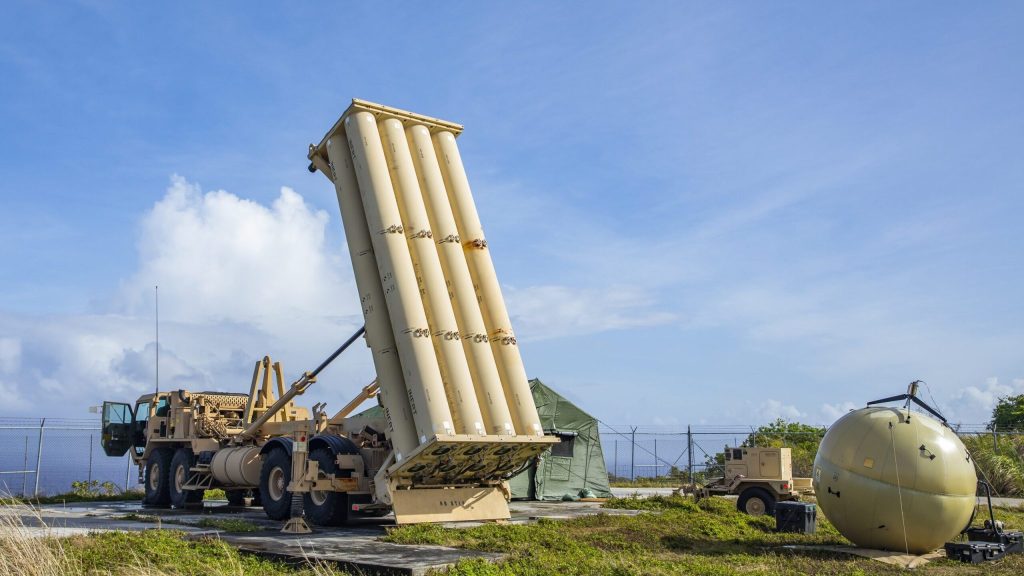
While these systems boast high interception rates (90-96%), the fundamental challenge lies in the severe cost disparity: a $4 million interceptor missile is used to destroy a significantly cheaper drone. This 'missile math' allows Iran to deploy waves of drones to deplete enemy missile stocks and create openings for more powerful ballistic missiles, despite the drones' modest speed and radar evasion capabilities.
The drones, with 40-50kg warheads and ranges up to 2,500 km, are mass-produced and difficult to detect until close range. This strategic shift has forced the US to adapt, developing its own low-cost 'one-way attack drones' like LUCAS, costing around $35,000, and establishing dedicated drone squadrons.
The conflict highlights a fundamental evolution in modern warfare, emphasizing cost-effective, swarming drone tactics over traditional high-tech, expensive defense systems.
Iran Conflict Escalates, Araghchi Halts US Talks, Oil Surges
Iran Adopts Russia's Drone Swarm, Challenges US Defenses
Trump Escalates Iran War, DHS Fails, Markets React