
News
Cease-Fire · Iran · Oil Prices · Strait Of Hormuz
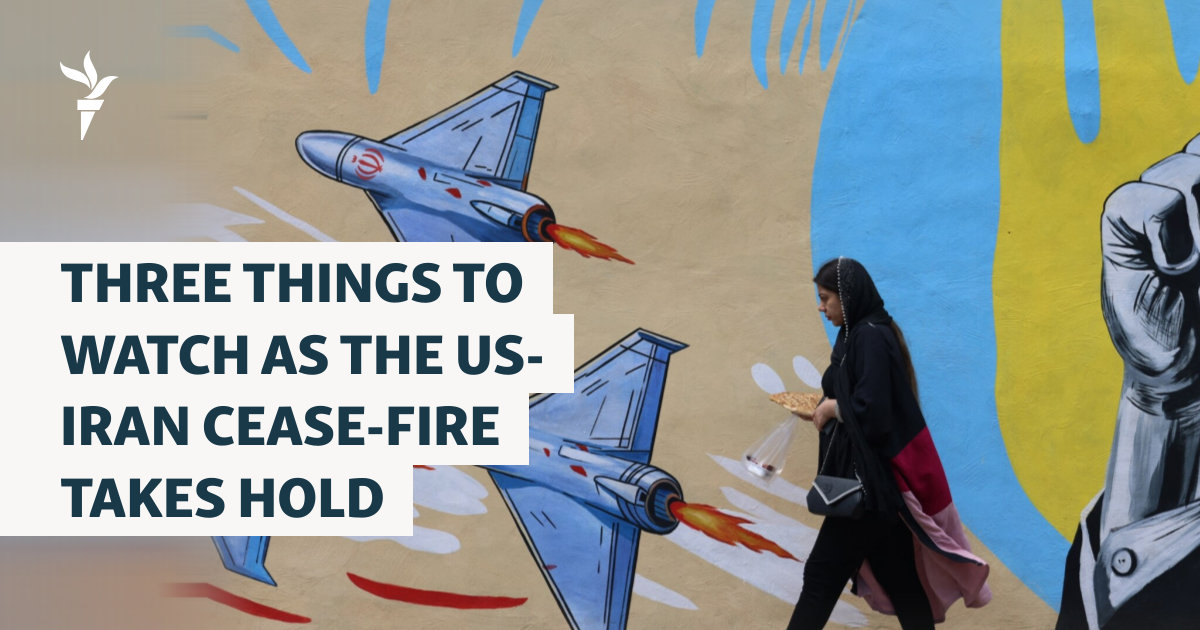
The United States and Iran agreed to a two-week cease-fire, brokered by Pakistan, on April 7, 2026, leading to global market rallies and falling oil prices, but the truce is fragile with immediate violations and new transit fees imposed on the Strait of Hormuz.
This cease-fire, announced just before President Donald Trump's self-imposed deadline, includes a controversial provision allowing Iran and Oman to collect transit fees in the Strait of Hormuz, a critical global shipping channel. This unprecedented toll, explicitly barred by the UN Convention on the Law of the Sea, is already operational, with Iran's Islamic Revolutionary Guards Corps (IRGC) implementing a ranking system for nations.
According to Guntram Wolff, a senior fellow at Bruegel, Gulf states will bear 80-85% of these costs, effectively subsidizing Iran's reconstruction, while global consumers face "unnoticeable" impacts. Key unresolved issues for upcoming Islamabad talks include Iran's nuclear enrichment program, with a Farsi-English translation discrepancy on "acceptance of enrichment," and Israel's continued military operations in Lebanon against Hezbollah, which Pakistan claims is covered by the cease-fire but Israel denies.
Iran's accumulated 440 kilograms of uranium enriched to 60 percent purity remains a major bargaining chip.

