News
Commodity Exports · Geopolitics · Maritime Security · Military Strategy
Ukraine's use of sea drones in 2024 forced the Russian Navy to retreat from Black Sea shipping lanes, allowing agricultural exports to return to near prewar levels, demonstrating military force's role in maintaining vital maritime channels after diplomacy failed.
Initially, a United Nations-backed deal in 2022 temporarily unblocked exports, but Russia declined to renew it in 2023, halting sea trade. Ukraine's subsequent drone attacks destroyed or damaged one-fifth of Russia's Black Sea Fleet, according to the British defense ministry, compelling Russia to withdraw.
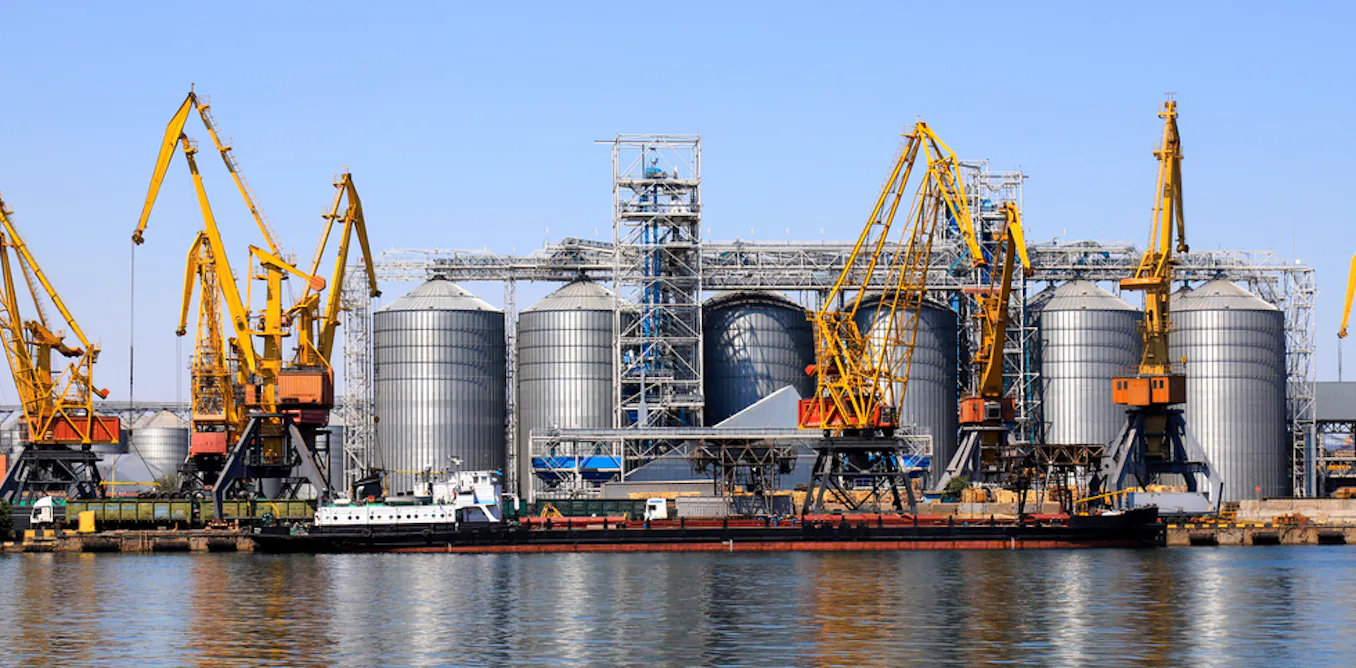
This military action enabled total goods passing through Ukrainian ports to surge to 97.2 million metric tons in 2024 from 62 million tons in 2023, as reported by the Ukrainian Sea Ports Authority. Approximately 90% of Ukraine's agricultural produce is now exported by sea, nearing the prewar level of 94%.
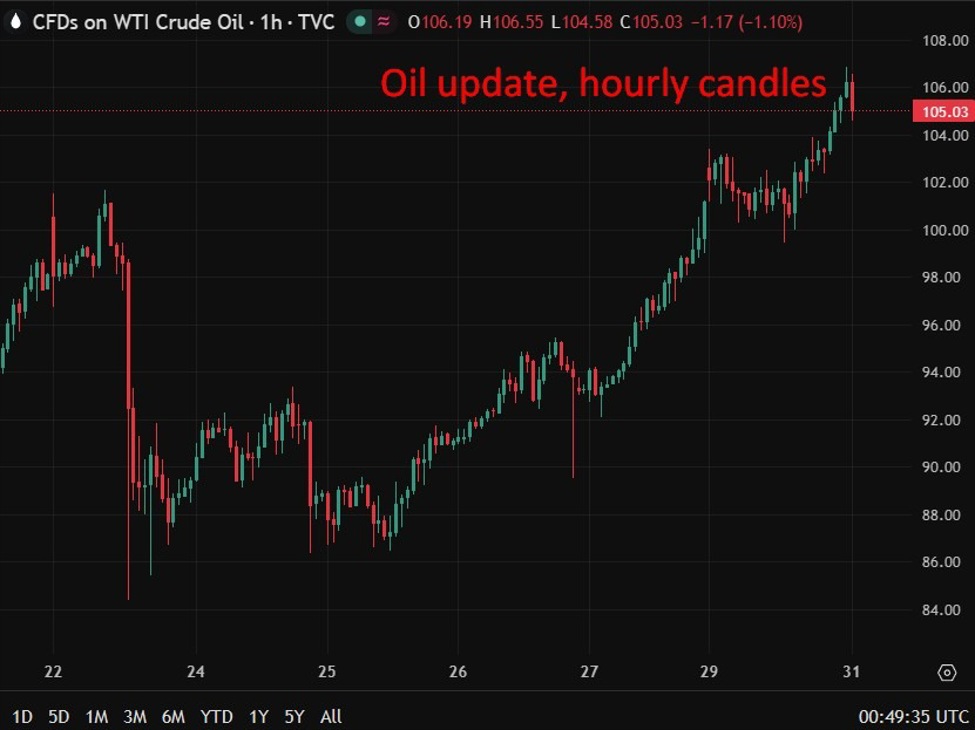
Ukrainian Foreign Minister Andrii Sybiha and President Volodymyr Zelensky highlight this success as a strategic lesson for the Strait of Hormuz, which Iran has effectively closed, impacting a fifth of the world's oil supplies. European Union foreign-policy chief Kaja Kallas discussed replicating the Black Sea model with U.N. Secretary-General António Guterres, while Trump advocates direct military intervention.