News
Alliance Diplomacy · Energy Markets · Geopolitics · Strait Of Hormuz
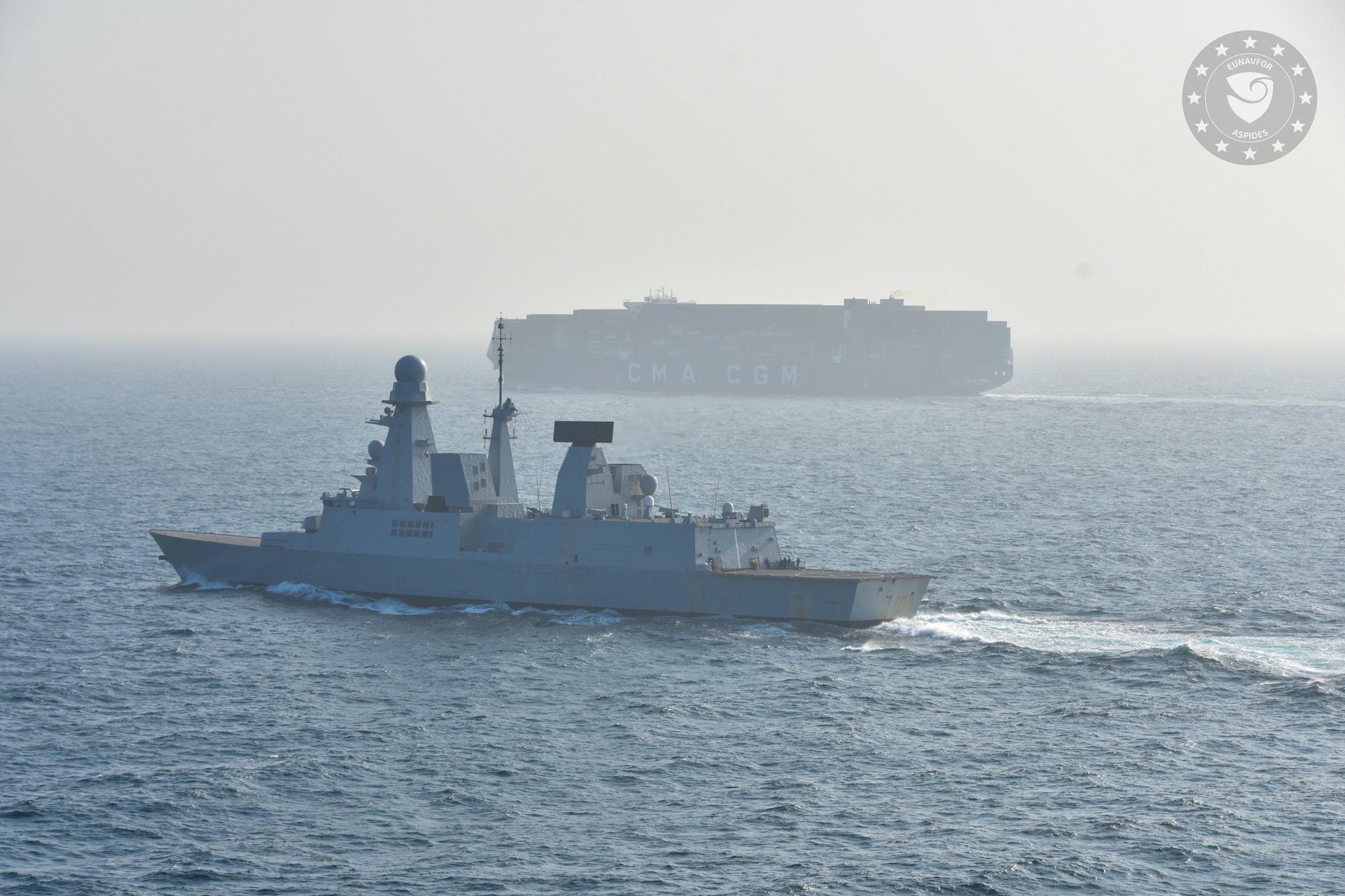
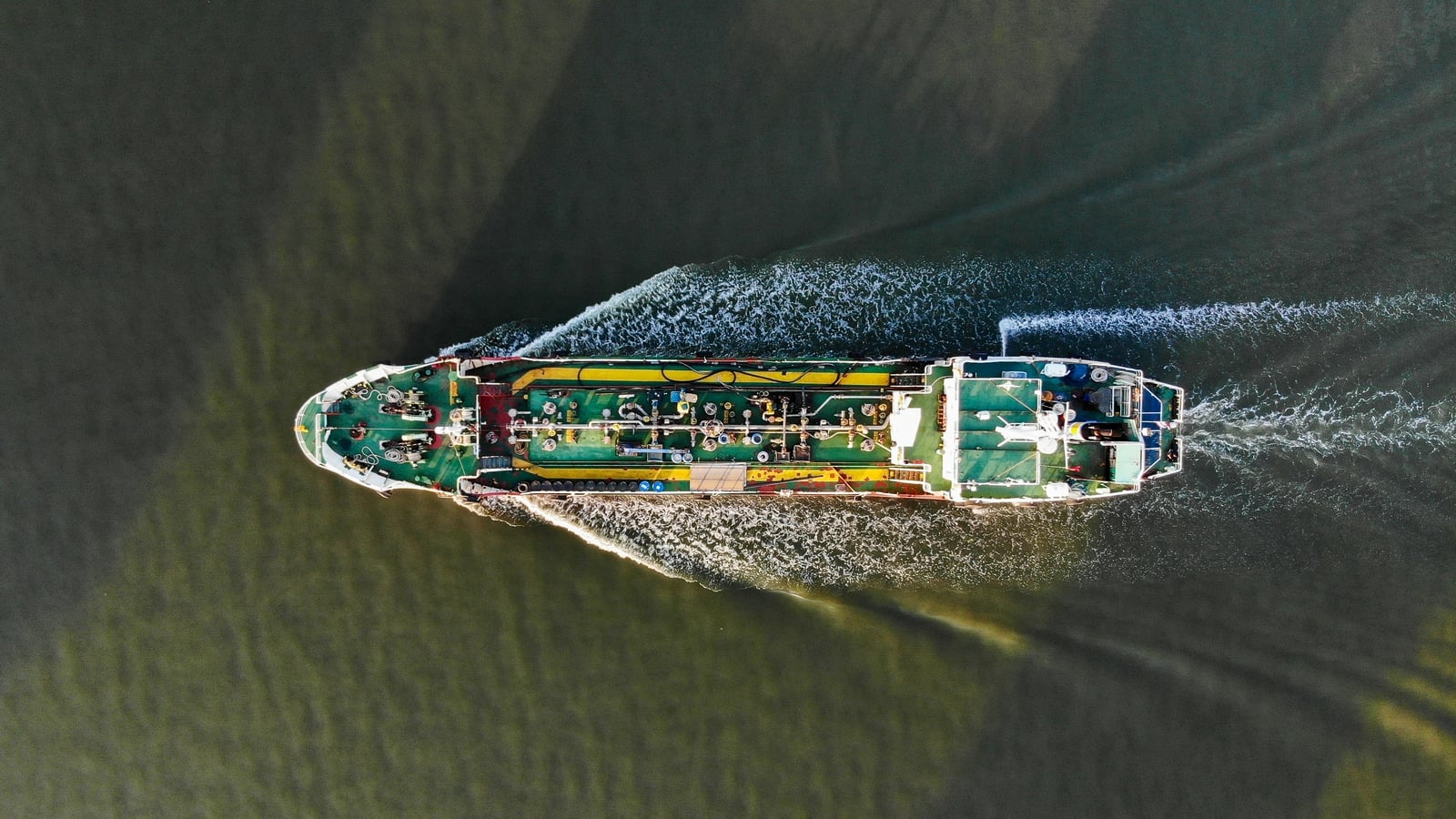
The ongoing US-Israeli conflict with Iran has severely disrupted global energy markets, effectively closing the Strait of Hormuz, a critical waterway for 20% of the world's energy supply.
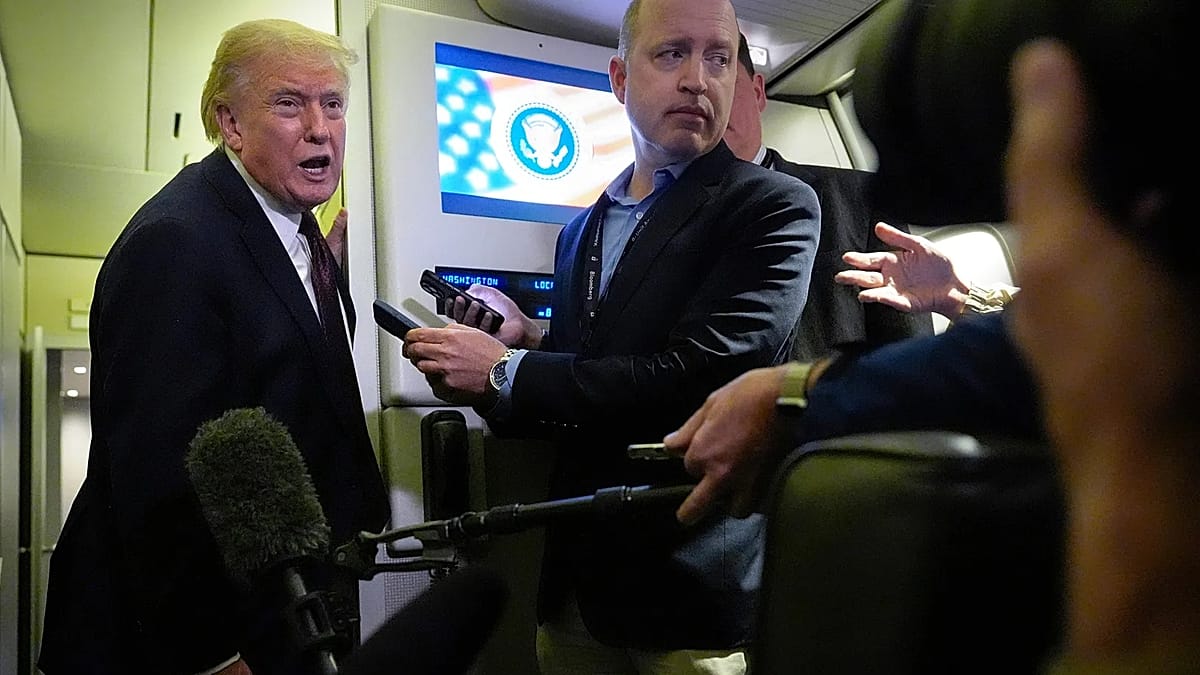
President Trump's call for a multinational coalition to protect the strait has met significant resistance. Key allies Japan and Australia have explicitly refused to dispatch naval vessels, citing constitutional constraints and lack of official requests, respectively.
Trump also pressured China, which relies on the strait for 90% of its oil, and European NATO members, threatening to delay a meeting with President Xi Jinping and warning of a "very bad" future for NATO. Brent crude prices have risen over 1% to $104.50 amidst the turmoil.
Despite US officials predicting the war's end within weeks and a subsequent drop in energy costs, Iran maintains it is "stable and strong" and ready to defend itself, denying any requests for a ceasefire or negotiations. Drone attacks continue to threaten Gulf states, with incidents reported in Dubai and Saudi Arabia, underscoring the persistent regional instability and the challenges to securing vital energy infrastructure.