News
Energy Markets · Geopolitics · Middle East Conflict · Strait Of Hormuz
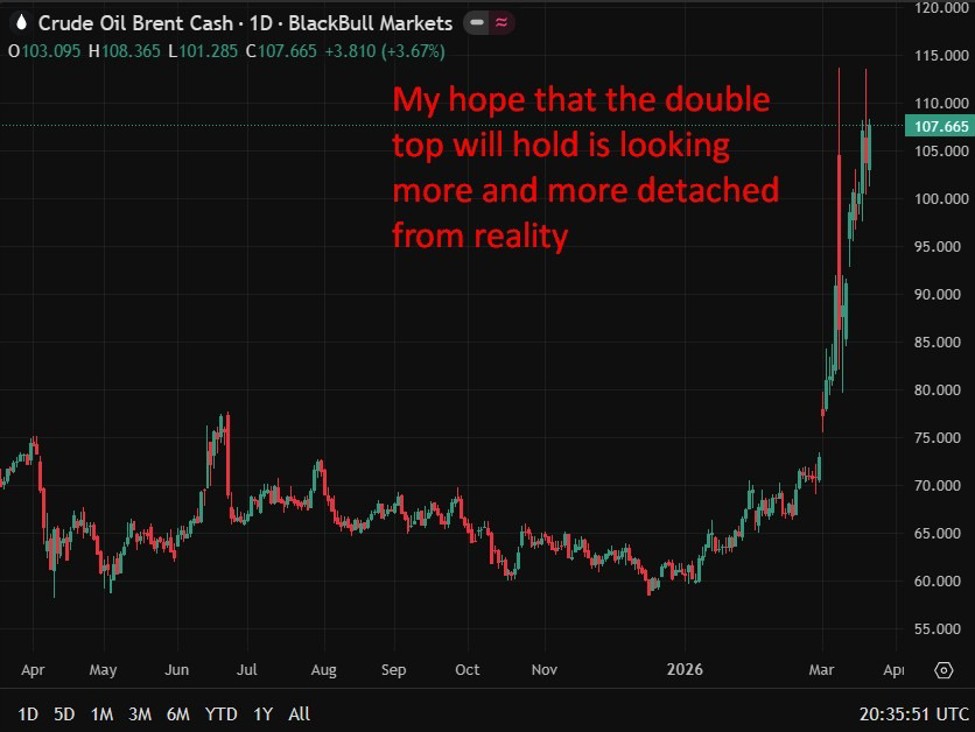
The ongoing three-week U.S.-Israeli conflict with Iran has largely shut the Strait of Hormuz, disrupting 20% of global oil and LNG flows and driving energy prices higher.
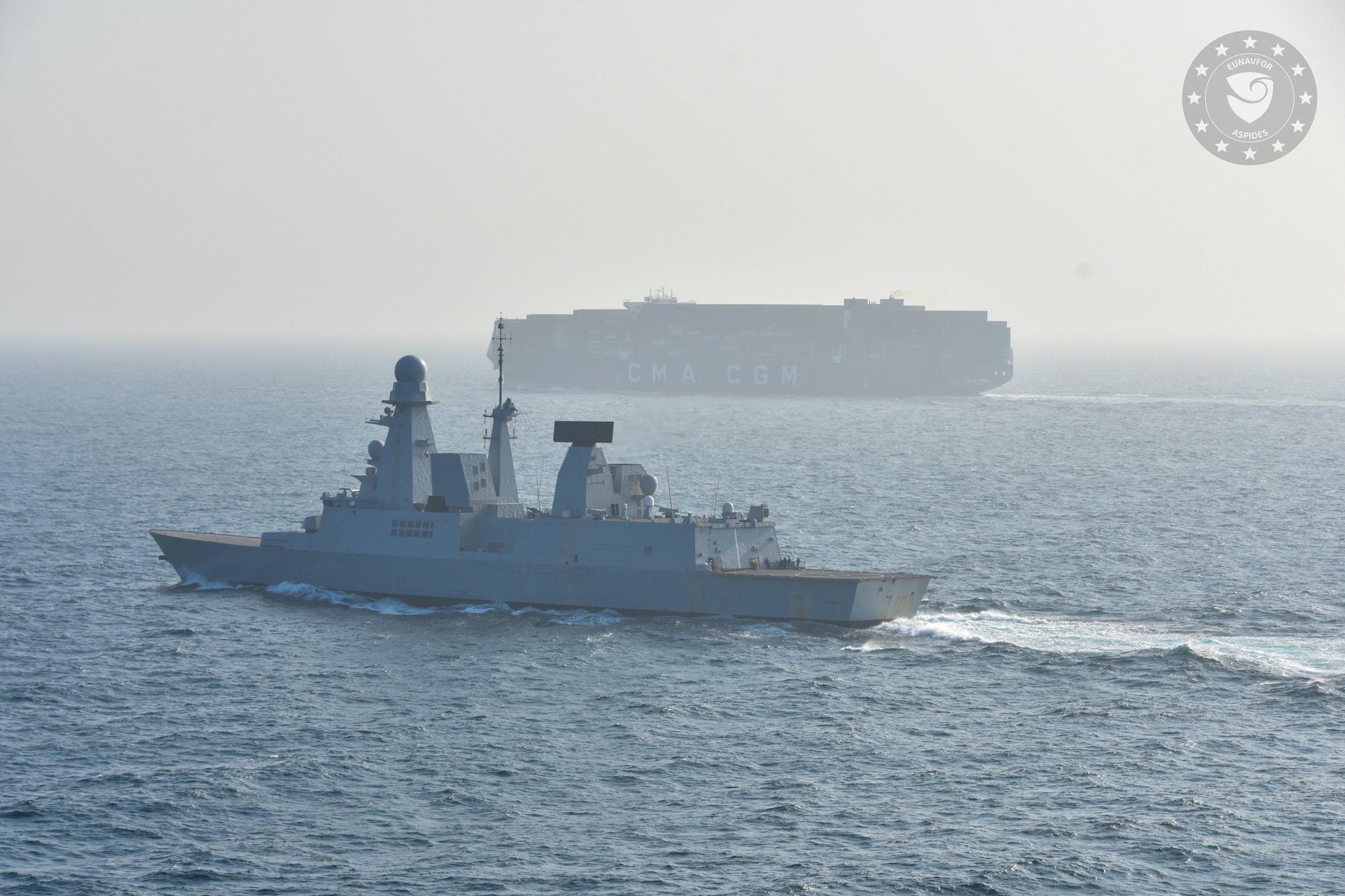
However, U.S. allies including Germany, Spain, and Italy have rebuffed President Trump's request for naval support to reopen the strategic waterway, citing a lack of international mandate and prior consultation. Trump criticized these allies, accusing them of ingratitude.
Israel plans at least three more weeks of war, targeting Iranian infrastructure, while Iran has retaliated with drone attacks on UAE oil facilities and Dubai airport, and threatened U.S. industrial sites. Despite these escalations, oil prices, which had surpassed $100 a barrel, saw some relief and stocks rallied after U.S. Treasury Secretary Scott Bessent indicated the U.S. would allow some Iranian fuel vessels through the strait.
The conflict has also led to significant civilian casualties in Iran, raising humanitarian concerns and fears of increased internal repression.