News
Geopolitics · Iran · Oil · Supply Chain
US-Israeli strikes killed Iran's supreme leader, Ali Khamenei, but failed to topple the government, which quickly implemented a "mosaic defense" and replaced its leadership.
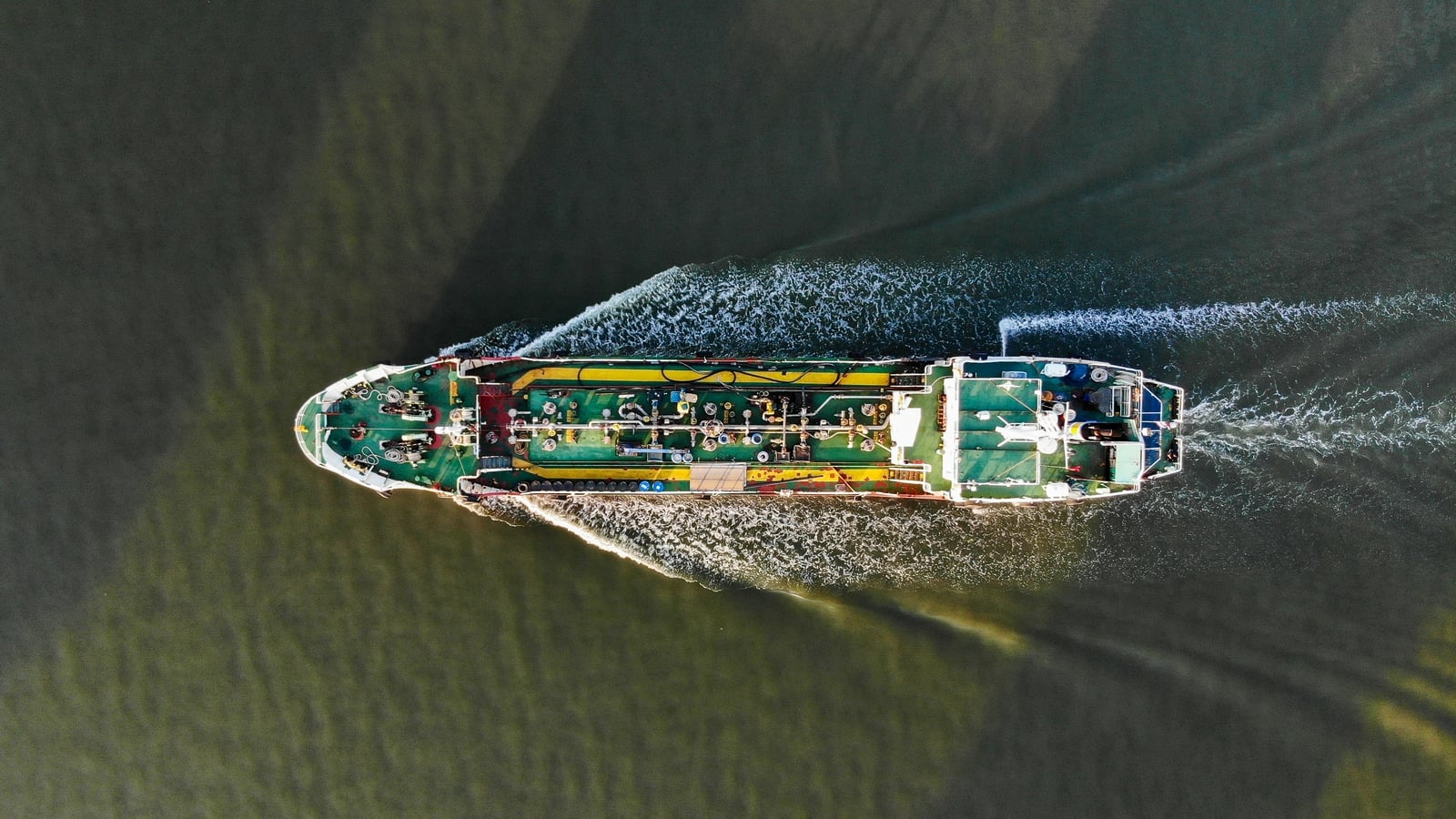
Two weeks into the air war, Iran has leveraged its strategic position on the Strait of Hormuz, a vital oil artery, to choke global oil supplies and strike US allies. This has led to significant spikes in oil and petrol prices, rationing in multiple countries, disrupted maritime trade, and a decline in the Gulf's business stability.
Despite the release of 400 million barrels from strategic reserves, the economic pain persists globally. Washington's strategy is under scrutiny, with critics highlighting a presumptuous overconfidence and ill-defined objectives, contrasting operational superiority with a lack of strategic understanding of Iran's resilience. Iran's three-part strategy focuses on survival, maintaining retaliatory capacity, and prolonging the conflict to dictate terms.
The conflict is depleting expensive US interceptor systems and creating domestic political pressure for President Trump ahead of congressional elections. While Iran faces long-term risks of becoming a "zombie state" with economic struggles and potential defections, it currently holds significant leverage, making a clear exit for the US increasingly difficult and potentially leading to bloodier, prolonged engagements.