News
Energy Prices · Global Markets · Oil Supply · Strait Of Hormuz
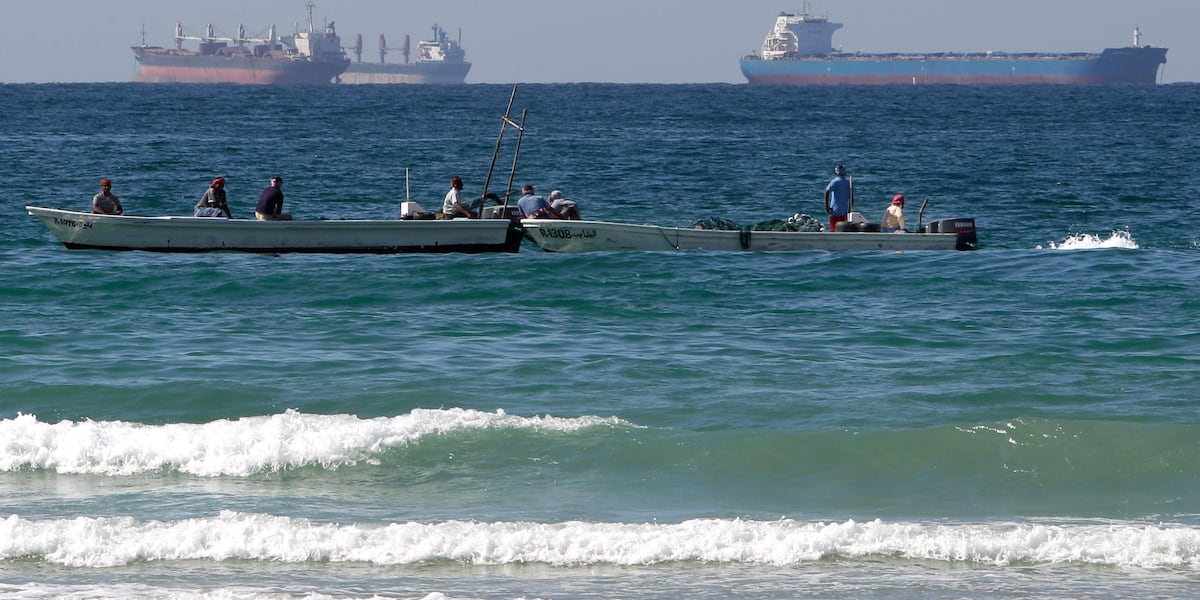
A severe Middle East oil supply squeeze, driven by the Strait of Hormuz closure, has pushed Emirati oil prices to an eye-watering $160 a barrel, far exceeding global benchmarks and signaling broader market pain for Asian refiners and global consumers.
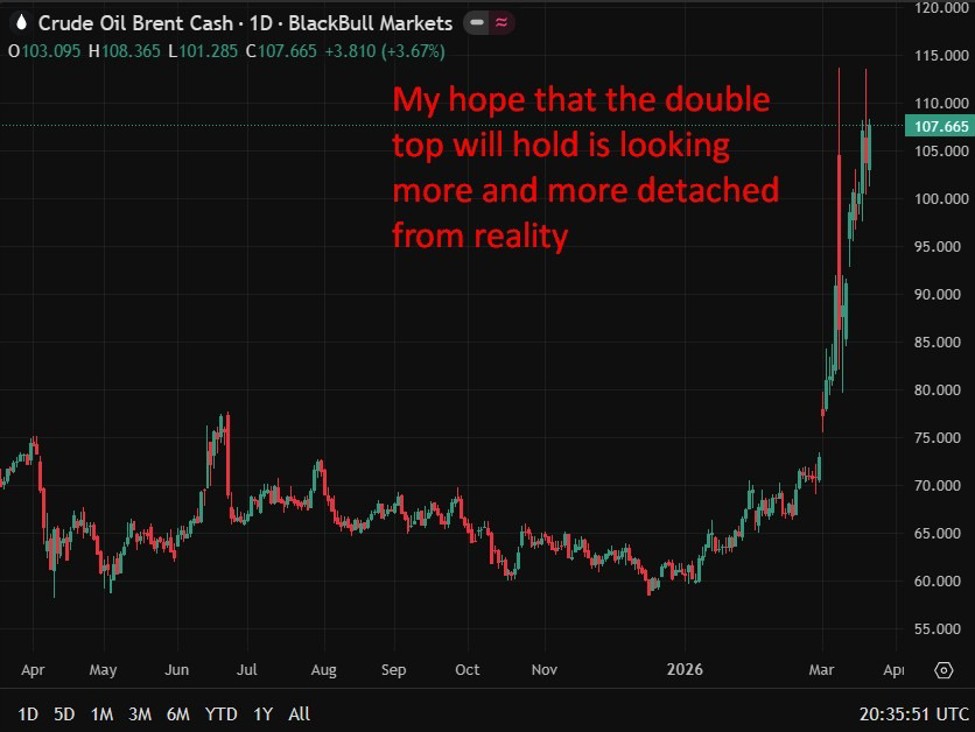
This disruption means benchmark prices like West Texas Intermediate (WTI) and Brent do not fully reflect the market's stress. Dubai crude prices have surged over 150% in 2026, significantly outpacing Brent futures' 64% rise for the year through Monday, according to OPIS.
WTI trades at a historically wide $12 per barrel discount to Brent, reflecting its distance from Asian demand and higher shipping costs. Asian refiners are actively seeking sulfur-rich crude globally, diverting cargoes from Europe and increasing prices for oil from Norway, Russia, Colombia, and Alaska.
Helge Andre Martinsen, an energy analyst at DNB Carnegie, warns of "full panic mode" if the situation is not resolved quickly. TotalEnergies' trading arm has been particularly active, buying dozens of cargoes.
The closure has removed 16 million barrels from daily oil supplies as of Monday, according to JPMorgan Chase analysts, with a projected 10 million barrel daily shortfall even with strategic releases and alternative routes. Amrita Sen, founder of Energy Aspects, states Brent prices will eventually catch up to the $150+ Middle Eastern crudes if Hormuz remains shut.
A resolution requires the Strait's reopening, Persian Gulf producers reversing output cuts, and long-term sanctions relief on Iran and Russia, beyond the U.S.'s current one-month relaxation.