News
Energy Supply · Geopolitics · Middle East Conflict · Oil Prices
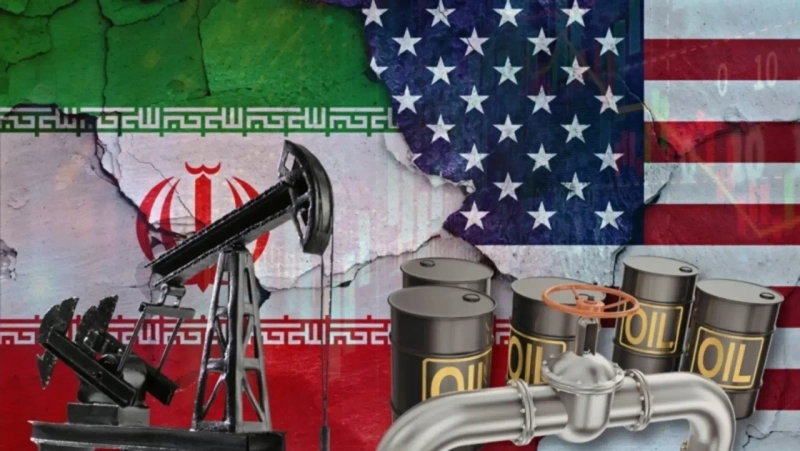
Global oil prices surged following an escalation of hostilities in the Middle East, with Israel targeting Iran's largest gas field and Iran retaliating against Qatari energy facilities.
Brent crude, the international benchmark, settled at $107.38 a barrel for May delivery, marking a 3.8% increase, and later extended gains to $111 intraday. U.S. West Texas Intermediate (WTI) crude for April delivery rose to $96.32, briefly touching $100.5 intraday. The conflict intensified as Israel, for the first time, struck Iran's energy production facilities at the South Pars gas field and associated processing complex.
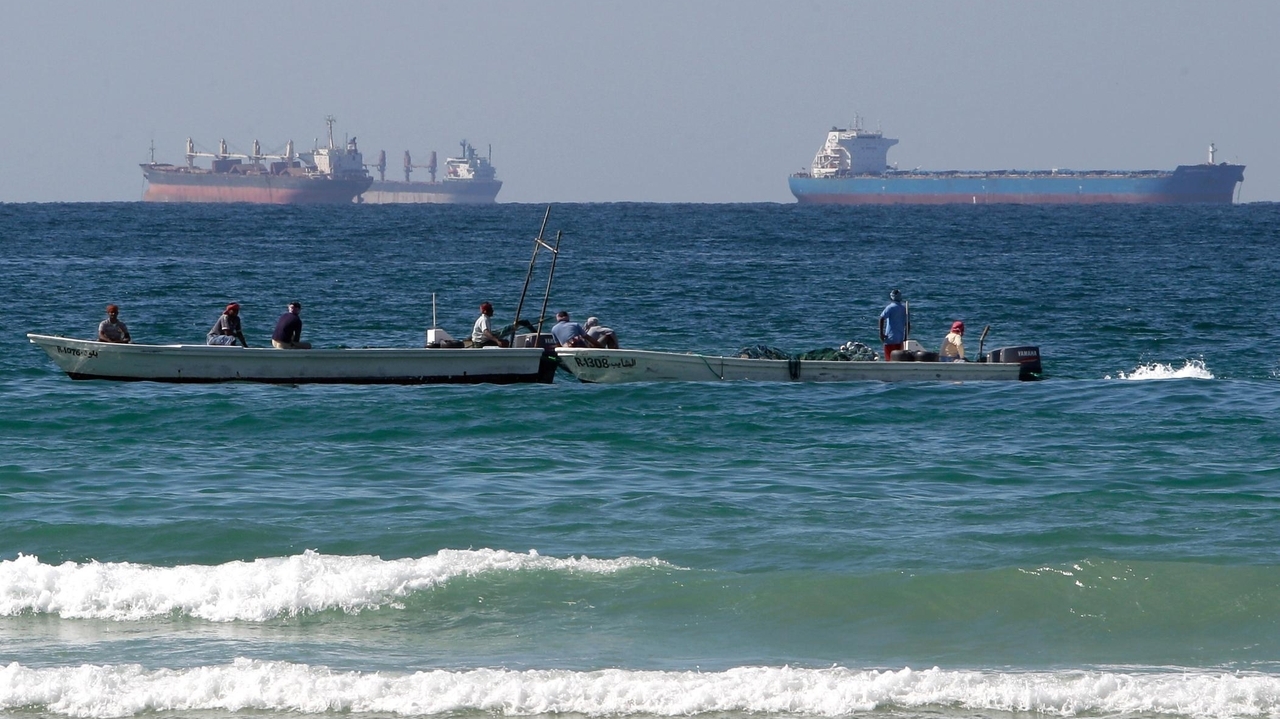
Iran's Revolutionary Guard Corps responded with missile strikes on Qatar, a major global LNG supplier, and issued warnings of further attacks on energy infrastructure in Saudi Arabia and the UAE. These developments have heightened fears of significant supply disruptions, particularly concerning the Strait of Hormuz, a critical chokepoint for 20% of the world's seaborne crude.
Analysts like Ole Valbye of SEB anticipate continued price increases if the strikes expand. Citibank forecasts Brent could reach $120 a barrel within days, projecting potential supply disruptions of 11 million–16 million barrels per day through April.