News

Energy Supply · Geopolitics · Inflation · Oil Prices
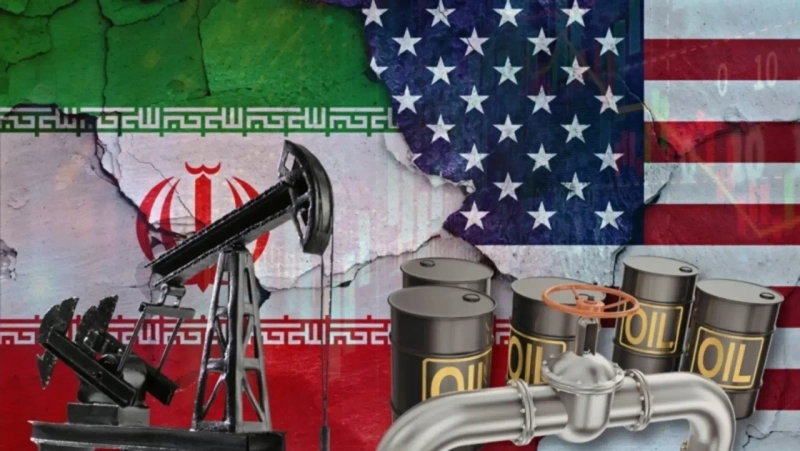
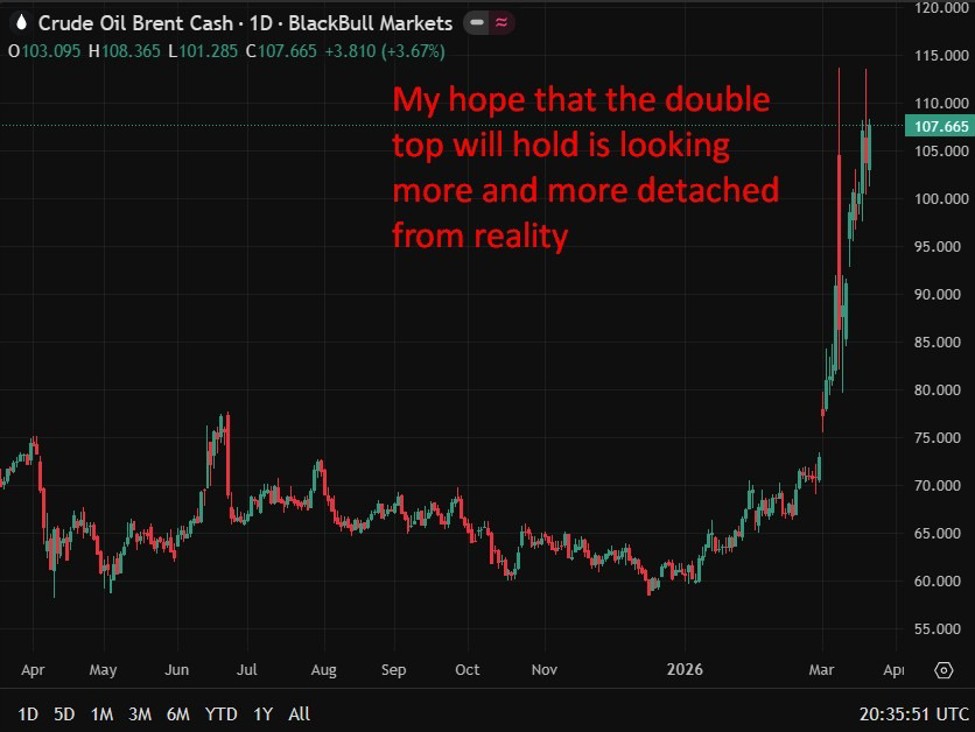
Oil prices surged Monday, with West Texas Intermediate climbing 8.6% to $72.79 and Brent crude rising 9% to $79.41, following U.S. and Israeli attacks on Iran and retaliatory strikes across the Middle East.
These escalating tensions have disrupted global energy supply chains, particularly impacting the Strait of Hormuz, a critical chokepoint through which approximately 20% of the world's oil (15 million barrels daily) is shipped. Energy experts warn that prolonged disruptions could lead to sustained higher crude and gasoline prices, exacerbating existing inflationary pressures for consumers.
While the OPEC+ cartel announced a planned production increase of 206,000 barrels per day for April, analysts like Rystad's Jorge León suggest that additional output offers limited immediate relief if export routes through the Gulf are constrained. Iran's 1.6 million barrels per day of exports, primarily to China, face potential disruption, though China possesses strategic reserves and alternative supply options from Russia.
The market remains highly sensitive to geopolitical developments affecting this vital oil artery.

Gold prices climbed as diplomatic efforts to end the Middle East war and a drop in oil prices eased concerns over inflation.