News
Energy Supply · Geopolitics · Oil Prices · Strait Of Hormuz
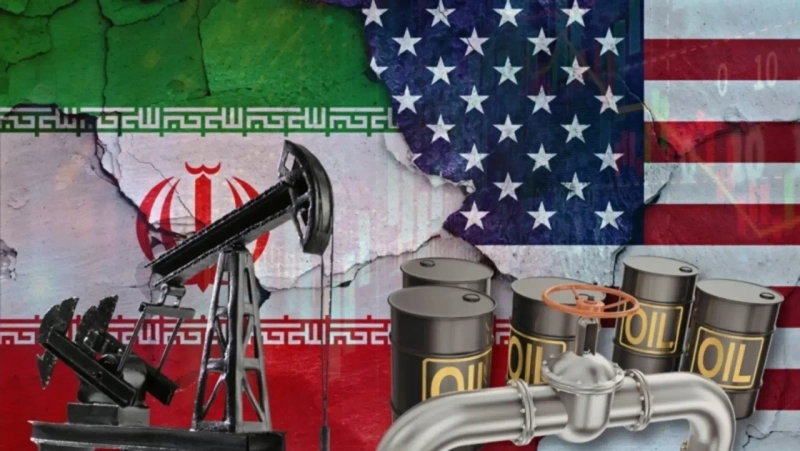
Oil prices experienced a significant surge on Monday, with West Texas Intermediate (WTI) climbing 8.6% to $72.79 a barrel and Brent crude rising 9% to $79.41 a barrel.
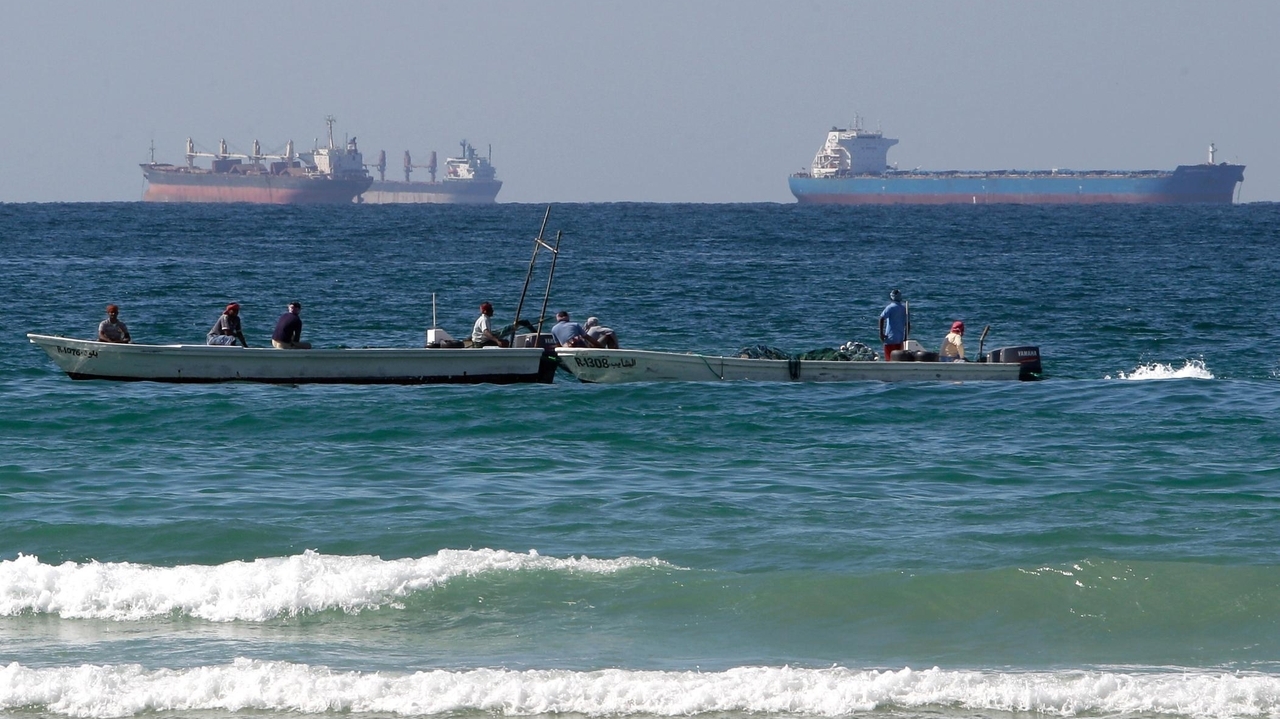
This sharp increase was triggered by escalating U.S. and Israeli attacks on Iran and retaliatory strikes across the Gulf region, fueling concerns over global energy supply disruptions. A critical factor is the Strait of Hormuz, through which approximately 20% of the world's oil (15 million barrels per day) is shipped.
Attacks on vessels in this vital chokepoint threaten the export capabilities of major oil-producing nations, including Saudi Arabia and Iran. While OPEC+ announced a planned production boost of 206,000 barrels per day for April, analysts like Jorge León of Rystad Energy suggest that increased output offers limited relief if export routes through the Gulf are constrained. Iran, a significant exporter of 1.6 million barrels per day primarily to China, faces potential disruptions.
Although China possesses strategic oil reserves and could pivot to Russian imports, any shift could still contribute to higher energy prices globally. The immediate implication for consumers is increased costs for gasoline and other goods, exacerbating existing inflationary pressures.