Araverus
HomeNewsMarkets
News
HeadlinesThreads
© 2026 Araverus
AboutContactPrivacyTerms
News/World/Middle East
Top Story

US-Iran War: Unclear Goals Threaten Gulf Stability

Araverus Team|Thursday, March 12, 2026 at 12:00 AM

US-Iran War: Unclear Goals Threaten Gulf Stability

Araverus Team

Mar 12, 2026 · 12:00 AM

Iran War · Middle East Geopolitics · Oil Markets · Regional Stability

Iran WarMiddle East GeopoliticsOil MarketsRegional Stability

Key Takeaway

The US-Iran conflict introduces substantial geopolitical risk, potentially disrupting global energy markets and trade routes, and reshaping long-term alliances in the Middle East, necessitating careful investor consideration of regional stability and economic implications.

The ongoing US-Israel war against Iran, initiated on February 28, 2026, presents significant geopolitical and economic uncertainties for the Middle East and global markets.

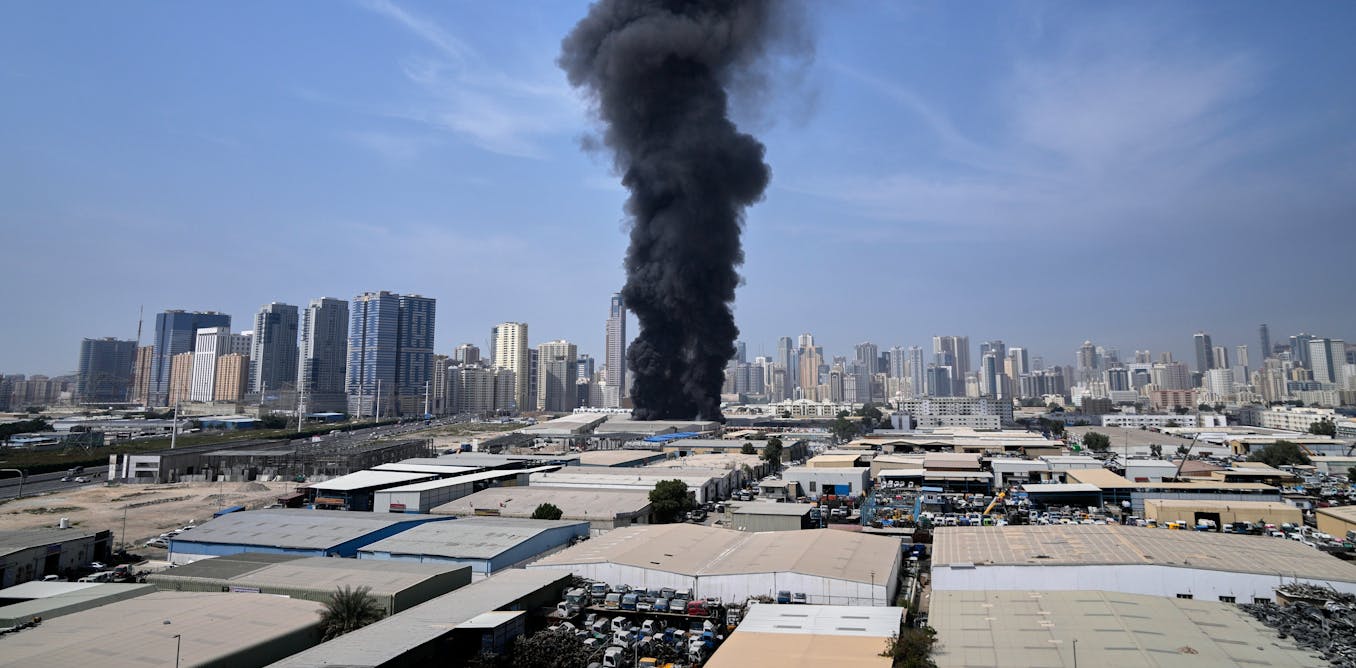
A key concern is the lack of clear objectives from the Trump administration, contrasting with Israeli Prime Minister Netanyahu's long-standing aim to cripple Iran's Islamic Republic. While initial Iranian force projection is diminished, the war's duration and ultimate goals remain ambiguous, complicating predictions for its conclusion and future US-Iranian relations. Gulf Arab states, crucial for global oil supply (10% of US imports) and trade, face Iranian attacks designed to raise economic and human costs.

Although damage has been minimal so far, prolonged conflict and major economic shocks could compel these states to reconsider their alliances with the US and Israel, potentially leading to a rebalancing of regional power dynamics. Internally, Iran has seen Mojtaba Khamenei named as the new Supreme Leader, signaling continued authoritarian rule despite the war's fluid state and internal dissent.

Public opinion across the region is mixed, with some Iranians welcoming the end of the previous leader's rule, while Gulf Arabs express frustration at being caught in the conflict, yet desire a less militant Iran. The article underscores the historical difficulty of the US achieving favorable political outcomes through military force in the Middle East, suggesting that 'Operation Epic Fury' may not yield long-term success.

Thread Timeline: Trump's Iran War: Risks and Command Shifts

Mar 12, 2026

US-Iran War: Unclear Goals Threaten Gulf Stability(current)

Mar 12, 2026Admiral Cooper Reshapes CENTCOM, Dominates Iran Maritime

Read More On

Ending Iran War Quickly Carries Big Risks for the U.S. and Allieswsj.comIran war: 4 big questions that help clarify the future of the Middle East - The Conversationtheconversation.com

Related Articles

World★Similarity: 71% · 20h ago

For Xi, Iran War Reinforces View of U.S. as Dangerous Superpower

Trump’s assaults on Iran and Venezuela—both Chinese allies and key suppliers of oil for its energy-hungry economy—could reaffirm Beijing’s mistrust of Washington.

World★★★Similarity: 69% · 7d ago

Iran Has a Bold New Strategy

Plus, a WSJ investigation on how Americans are now a target in Trump’s immigration crackdown, and the perils of outdressing your boss.

Markets★★Similarity: 68% · 5d ago

Why Iranian Regime Change Would Transform Global Energy Markets

It has one of the largest oil industries in the world, but it has been strangled for years by international sanctions.

World★★★Similarity: 68% · 9d ago

The Iran War Is Hitting Gulf Markets, Lifting Israel and Shifting Risk Across the Region

The conflict has upended long-held assumptions in Gulf markets, pushing investors to factor in new dangers.