News
Geopolitics · Taiwan · Trade War · US-China Relations
Trump's aggressive military actions in the Middle East and Venezuela, coupled with new tariff investigations, reinforce Chinese leader Xi Jinping's long-held belief that the U.S. is a dangerous superpower requiring a tough approach.
For Xi, these interventions signal potential U.S. self-weakening, providing China an opportunity to strengthen itself for future confrontations, particularly over Taiwan. Despite Trump's public embrace of China as a superpower, his assaults on Chinese allies and key oil suppliers like Iran and Venezuela deepen Beijing's mistrust.
The upcoming summit between the two leaders is now poised to be shaped by these geopolitical and trade tensions. Xi, having previously retaliated against Trump's 145% tariffs with counter-tariffs and weaponized rare-earth dominance, is expected to seek U.S. concessions on Taiwan.
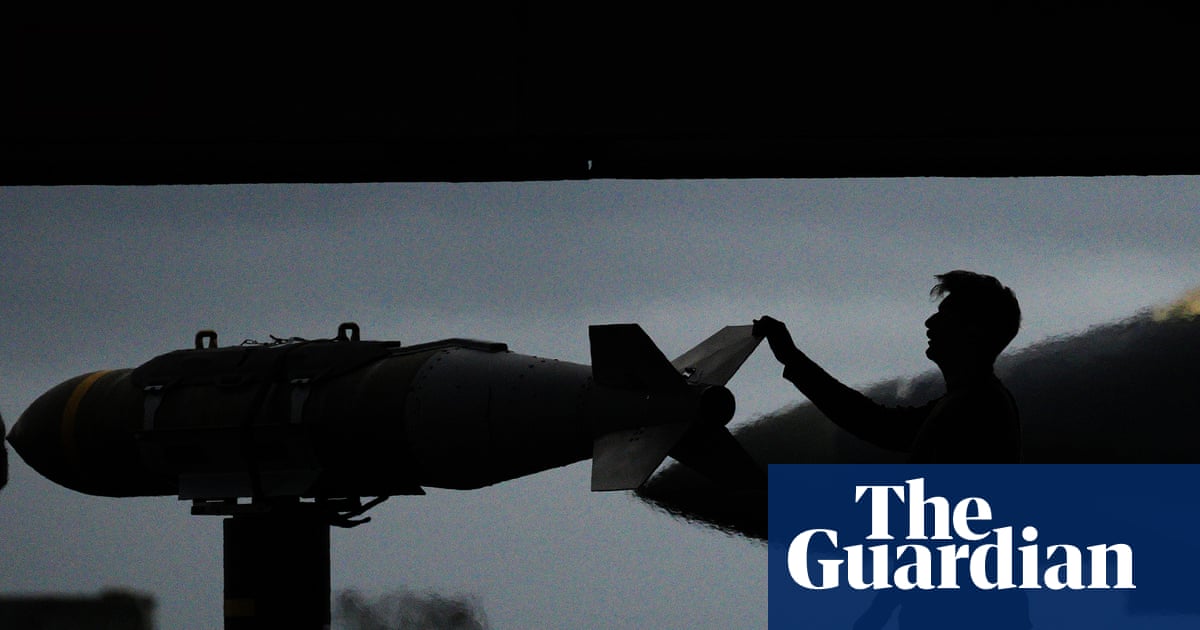
China views the Iran conflict as potentially advantageous, as it diverts U.S. military resources and consumes key weapons stocks, though a direct attack on Taiwan remains unlikely due to Xi's calculated approach. More broadly, these events solidify Xi's strategy to insulate China from strategic vulnerabilities, such as its 45% reliance on Strait of Hormuz oil imports and access to advanced chips, while simultaneously creating its own chokeholds like rare earths to gain leverage in negotiations.
Plus, Trump’s advisers close ranks as signs of dissent emerge on the Iran war.