
News
Energy Markets · Geopolitics · Iran Sanctions · Oil Trade
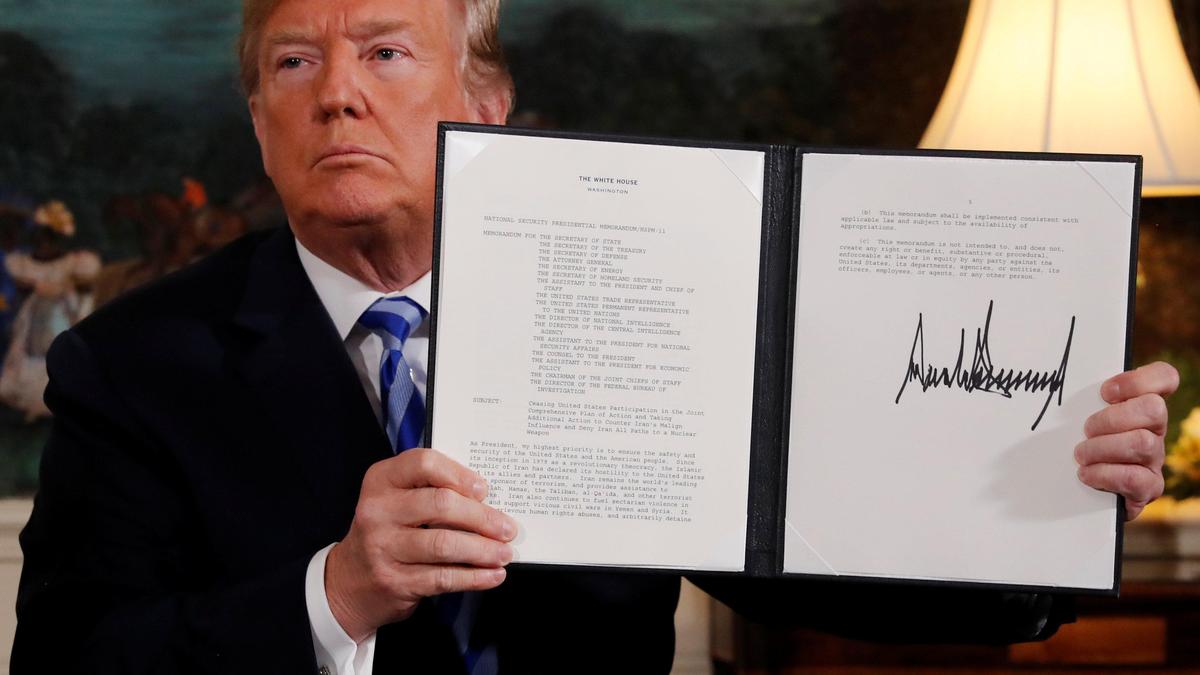
Iran's energy sector has demonstrated remarkable resilience over four decades, navigating a complex and sustained sanctions regime, particularly the U.S.'s 'Maximum Pressure' policy.
Despite significant disruptions, including a near-zero drop in oil exports between 2018-2020 and recent blacklisting of its 'dark fleet' of tankers, Iran has developed a 'Maximum Resistance' strategy. This toolkit includes leveraging sanction-resistant partners like China, UAE, and Russia for trade, employing shadow logistics such as ship-to-ship transfers, utilizing financial bypasses like commodity and currency swaps, and implementing domestic containment measures.
While its economy is strained with high inflation (42% projected for 2025) and fragile GDP growth (0.6% projected for 2025), Iran remains a major global energy player, holding the world's third-largest oil and second-largest natural gas reserves. Geopolitical escalations, including direct military confrontations with Israel and the U.S., underscore the ongoing tension.
The U.S. National Security Strategy 2025 indicates continued pressure, yet Iran's defiance and adaptive strategies ensure its continued, albeit discounted, presence in global energy supply chains.
