News

Energy Security · Geopolitics · Middle East · Oil Prices
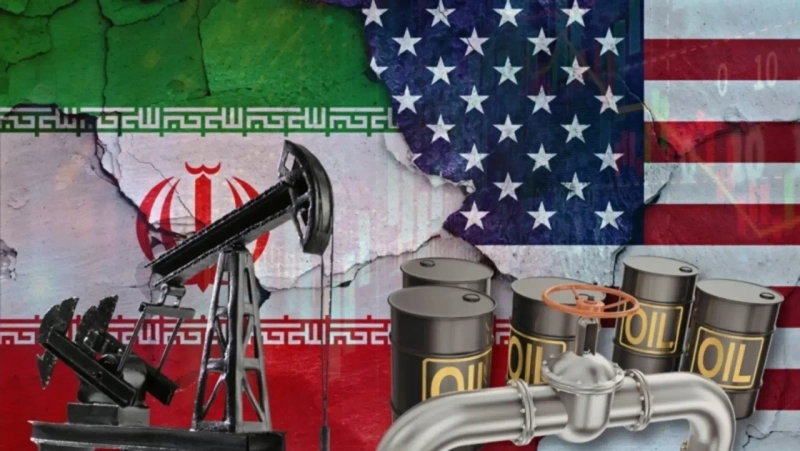
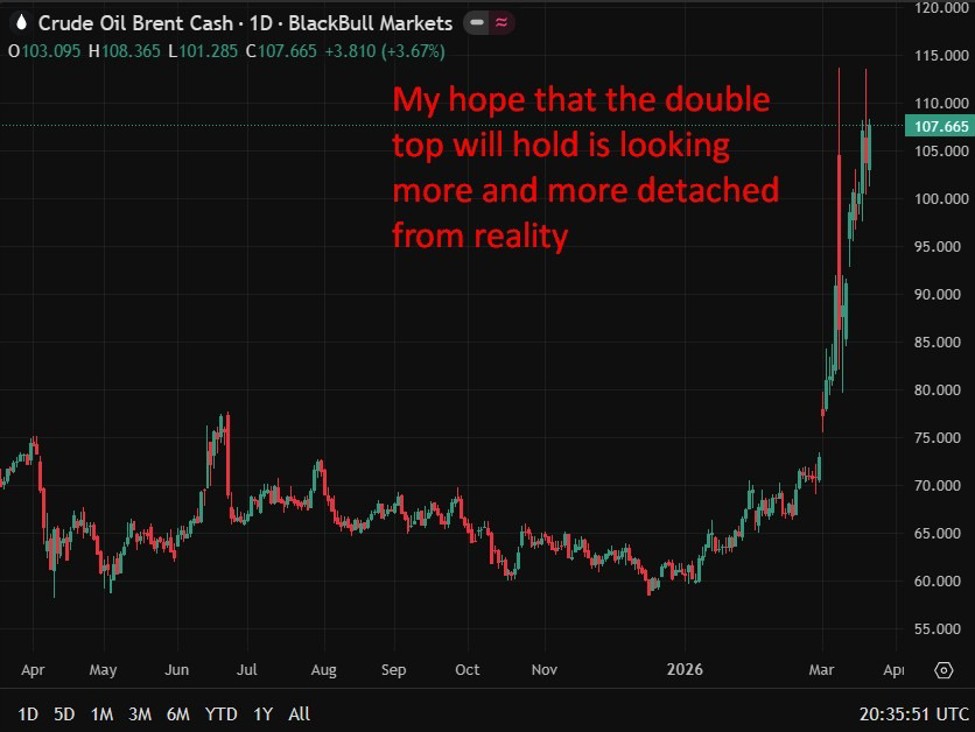
Global oil prices surged to $110 per barrel following accusations by Iran and Qatar that Israel attacked a shared natural gas field.
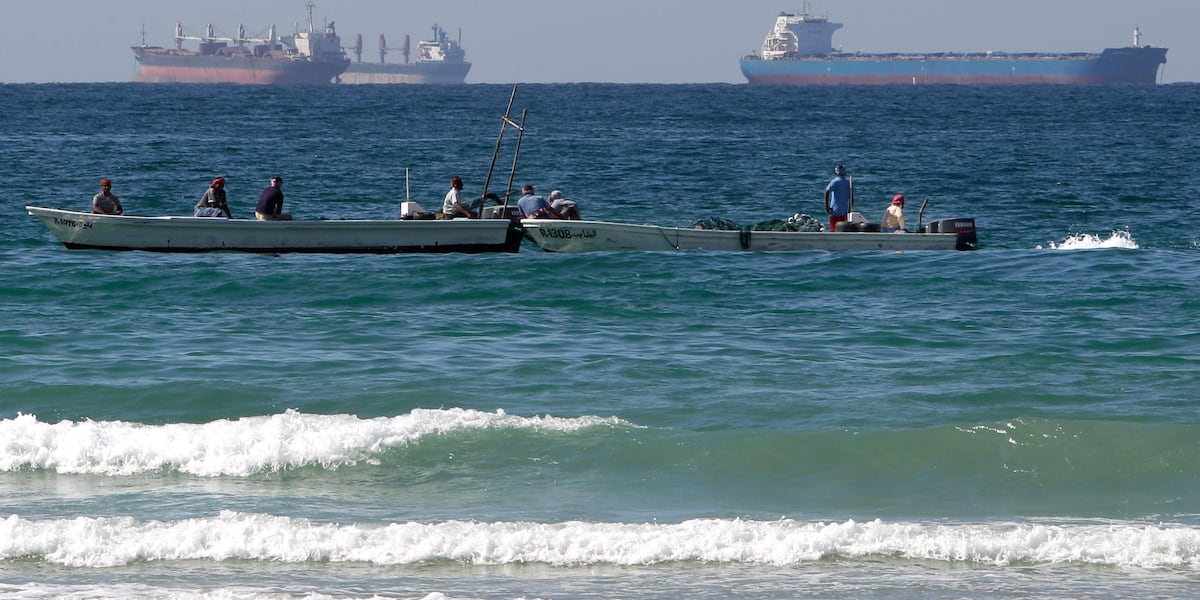
This escalation in Middle Eastern tensions saw Tehran threaten retaliatory strikes on energy infrastructure in neighboring countries, exacerbating existing disruptions from the effective closure of the Strait of Hormuz. The deepening geopolitical conflict is placing significant strain on the global economy, particularly through rising energy costs.
In response, the White House suspended a law prohibiting foreign vessels from shipping oil and gas between US ports. However, analysts largely dismiss this measure as insufficient to alleviate the upward pressure on domestic gas prices.
Vice President JD Vance characterized the current price hikes as a "temporary blip," a perspective that contrasts with the immediate market reaction and the severity of regional energy supply threats. The ongoing instability in a critical oil-producing region signals continued volatility for energy markets and broader economic challenges.

Gold prices climbed as diplomatic efforts to end the Middle East war and a drop in oil prices eased concerns over inflation.