News
Asymmetric Warfare · Energy Security · Geopolitics · Iran
Iran, facing vastly superior US-Israel military power, redefines victory as strategic survival, aiming to preserve its state, core military capabilities, and regional influence by imposing unsustainable costs on adversaries, rather than achieving conventional battlefield conquest.
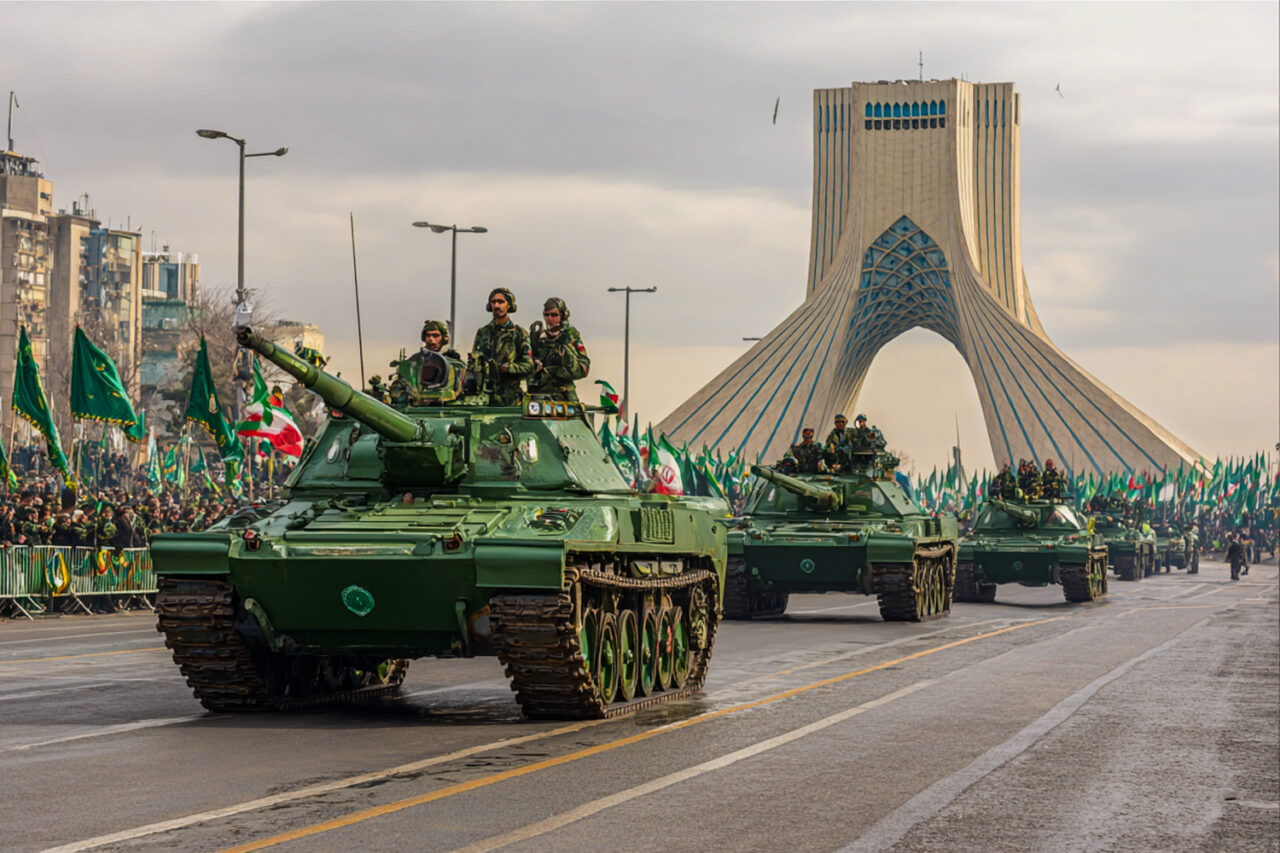
Tehran's strategy leverages an asymmetric reality, relying on a large arsenal of ballistic missiles, cruise missiles, and drones to deter attacks and ensure consequences, given its outdated air force and vulnerable air defense. Iran's objectives are strategic survival and maintaining regime stability, drawing lessons from the Iran-Iraq War where it endured despite conventional inferiority for eight years.
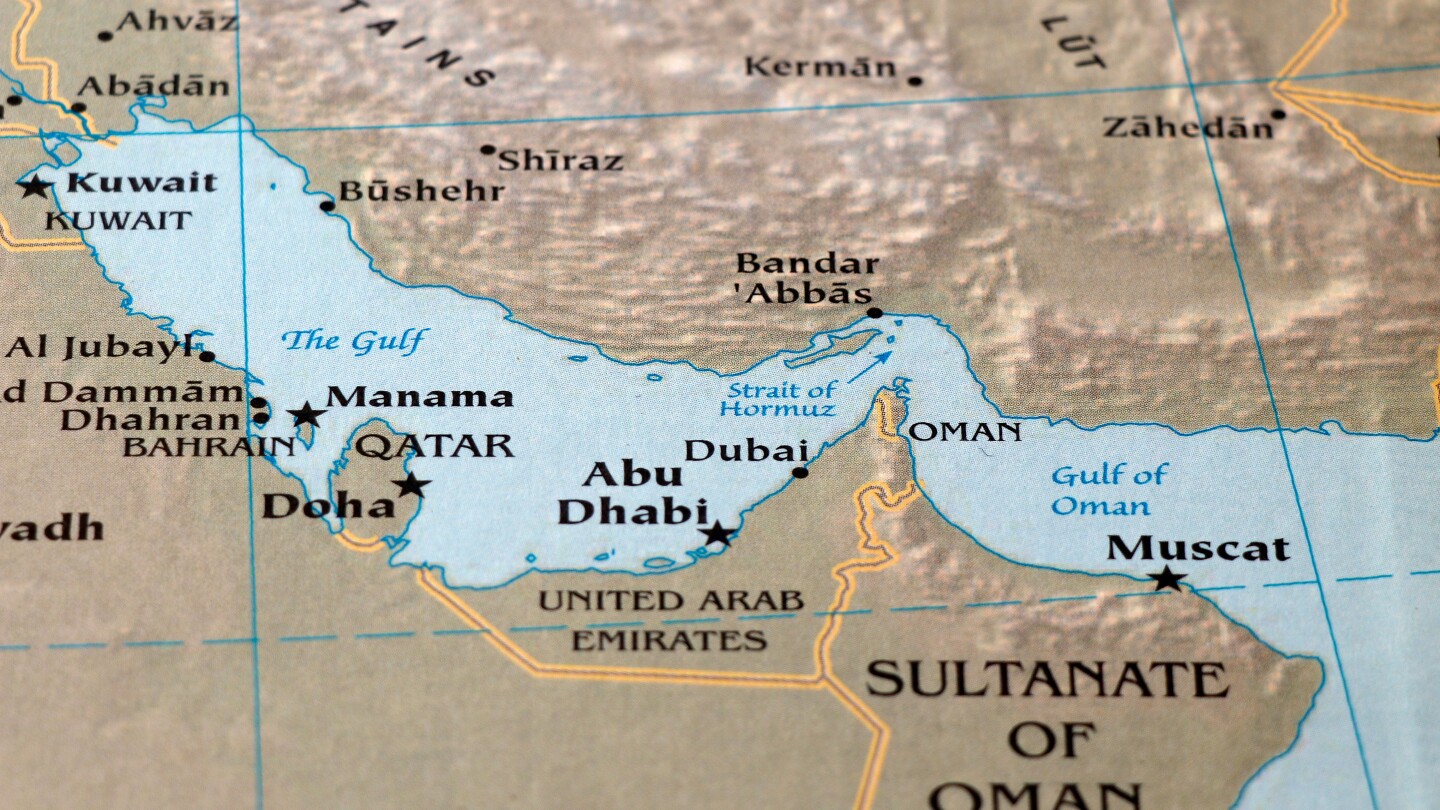
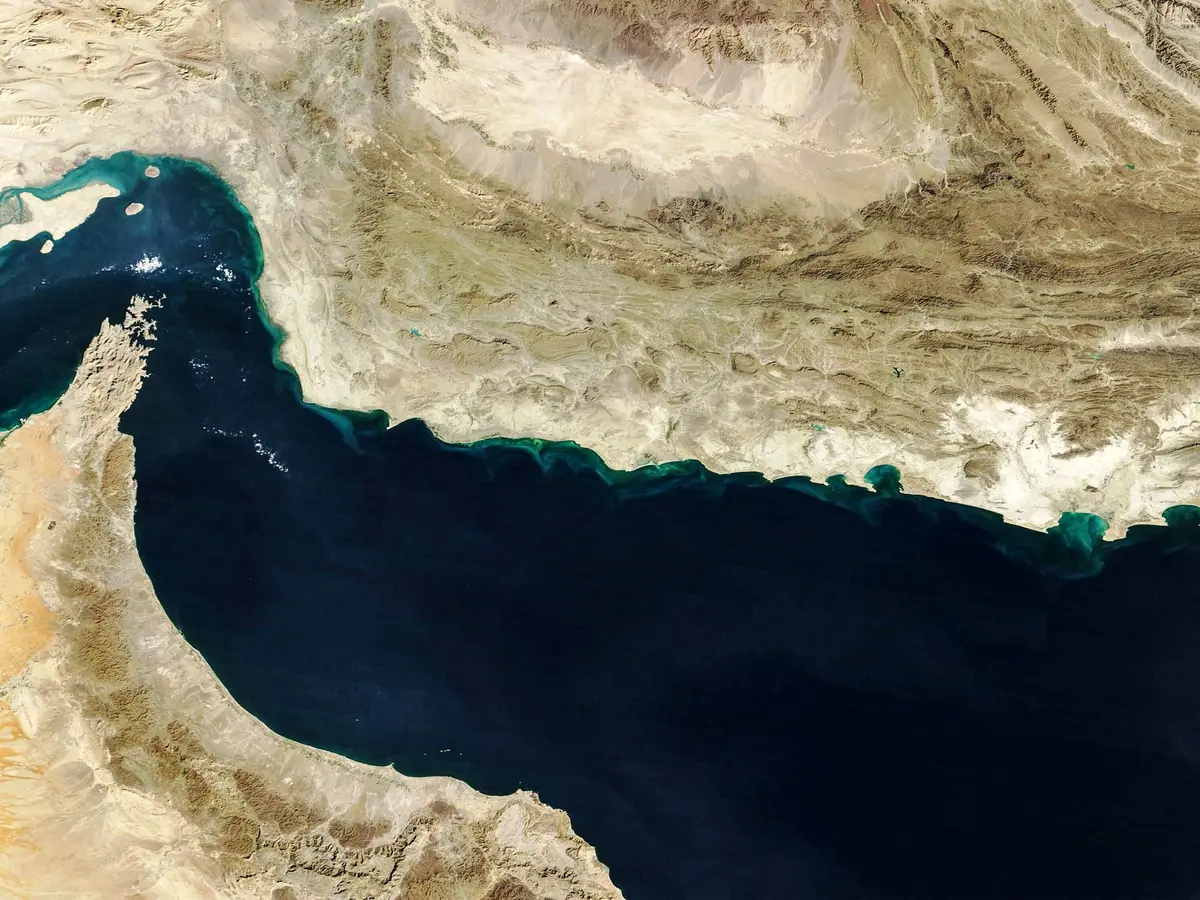
Key strategic tools include its missile forces for survivability, reach, and psychological impact, and its geographic control over the Strait of Hormuz, which carries one-fifth of the world's oil supply and can disrupt global energy markets. Furthermore, Iran cultivates regional proxy networks to create deterrence through complexity, forcing adversaries to confront multiple fronts.
The conflict's outcome hinges on endurance, as Iran aims to outlast its opponents, shifting the political calculus as war costs mount, while carefully calibrating escalation to avoid a broader international coalition.