News
Asia · Energy Crisis · Geopolitics · Oil & Gas
Asian nations are grappling with a severe energy crisis as the war on Iran and attacks on gas fields and oil refineries disrupt critical supplies, particularly through the Strait of Hormuz, leading to soaring prices and urgent conservation measures across the region.
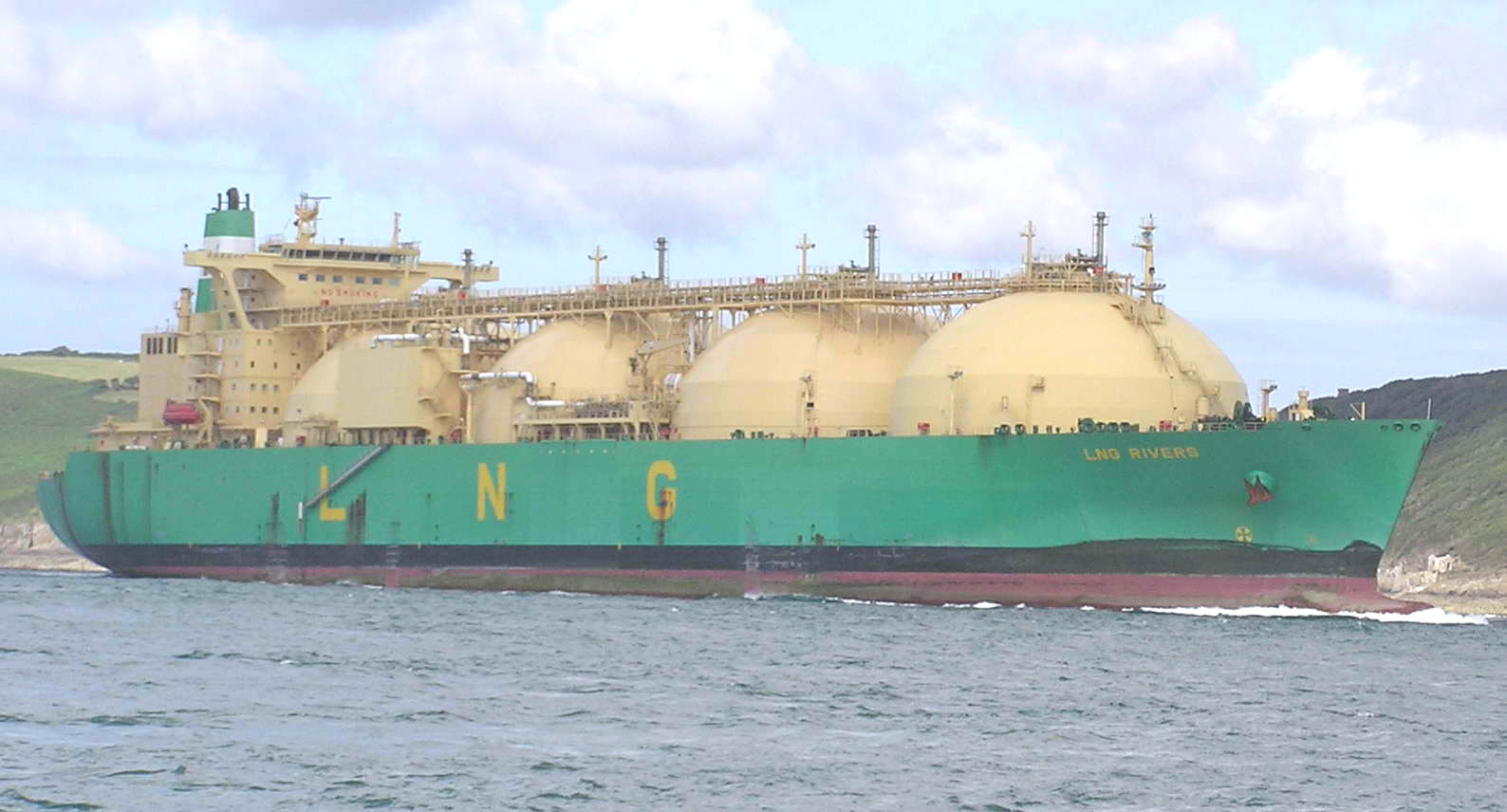
The conflict, which began on February 28, has seen only about 90 vessels traverse the Strait of Hormuz, a vital choke point, according to the article. This disruption disproportionately impacts Asia due to its heavy reliance on imported energy, with Japan importing 93% of its oil and South Korea 70% of its oil and 20% of its liquefied natural gas from the Middle East.
Countries are implementing various strategies: Japan released 15 days of private-sector oil stockpiles and a month's worth from national reserves, while South Korea lifted a national cap on coal-fired power generation and plans to boost nuclear output. China, despite its heavy reliance on the Strait, is relatively insulated by ample strategic reserves and a 30% renewable power mix.
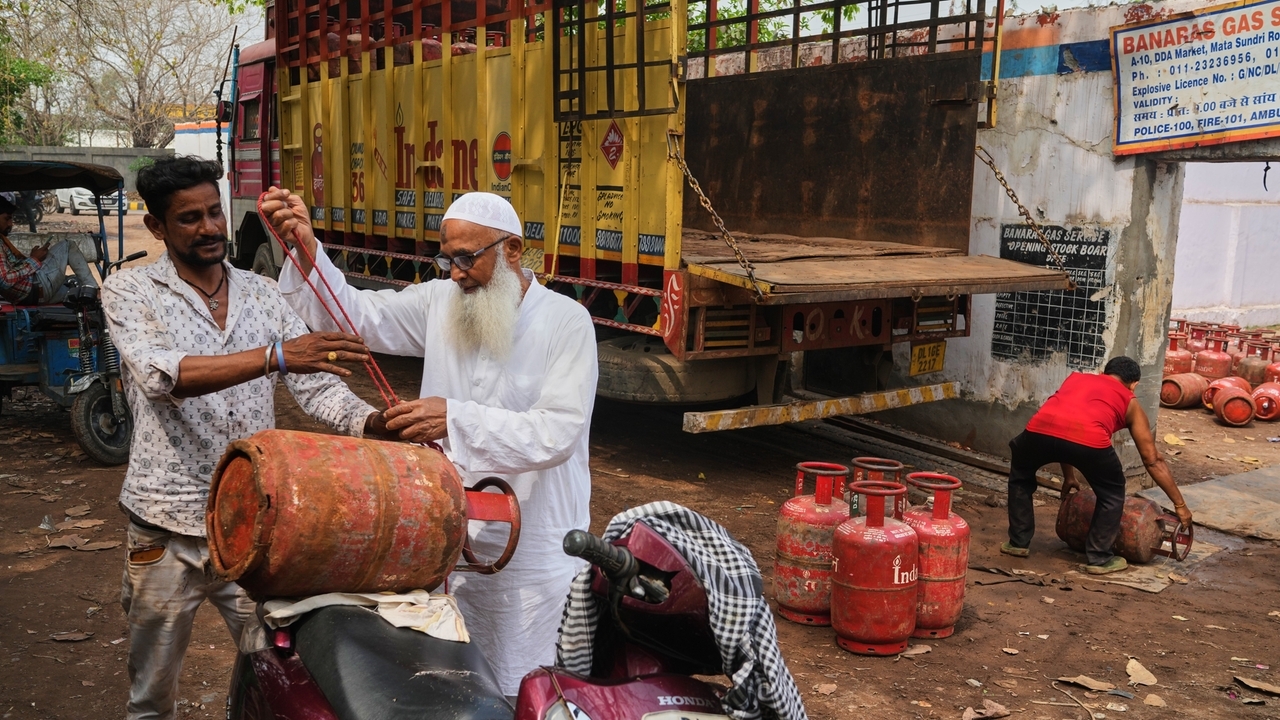
Other nations like Vietnam, Thailand, Indonesia, the Philippines, Pakistan, India, and Nepal are facing rising costs, supply shortages, and are resorting to price controls, subsidies, energy conservation mandates, and even rationing cooking gas, as warned by Michael Williamson of UNESCAP and Ramnath Iyer of IEEFA.