News

Energy Security · Geopolitics · Iran Crisis · Oil Markets
The article details the escalating Iran crisis and its multifaceted impact on global energy markets.
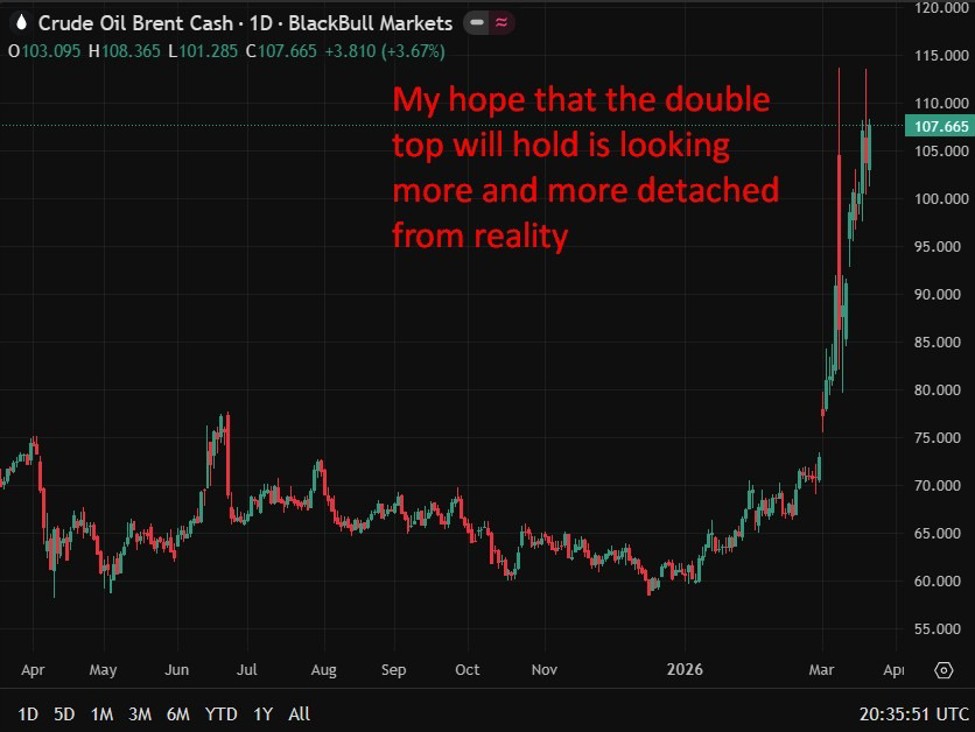
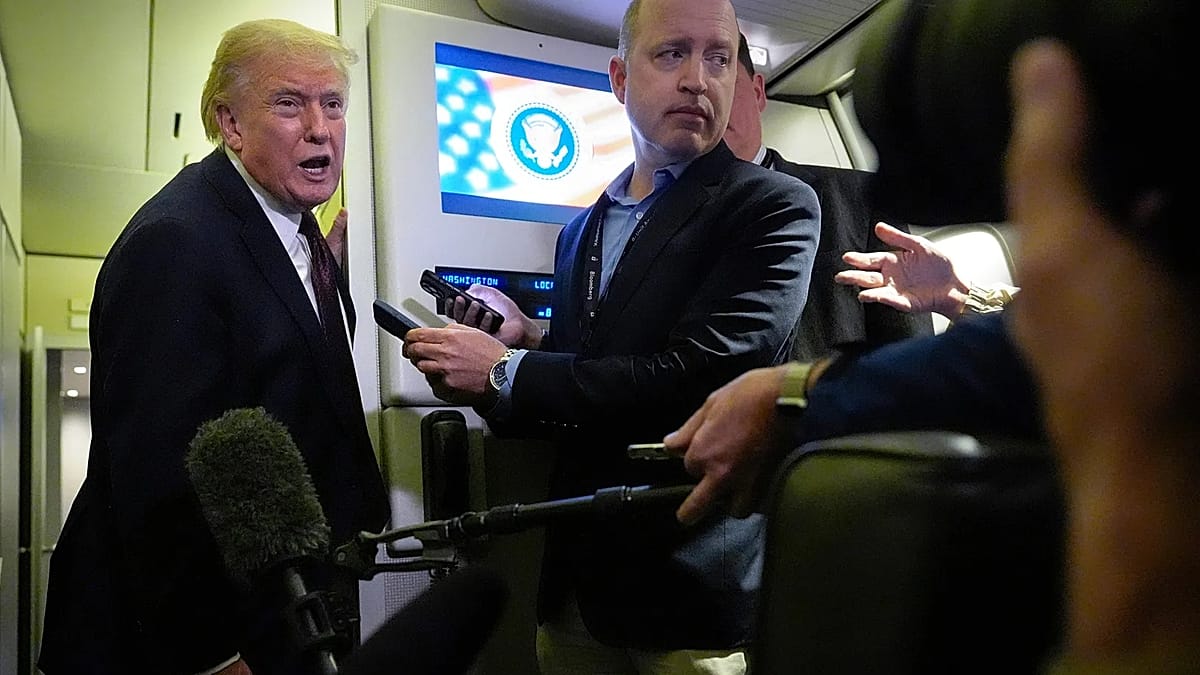
Following US attacks on Iran's Kharg Island and intensified Israeli strikes, the vital Strait of Hormuz, through which 20% of global oil and LNG flows, has experienced disruptions, contributing to rising oil prices and inflation concerns. President Trump is urging a global coalition to secure the strait, with international responses varying from cautious engagement by the UK and EU to India's successful direct talks with Tehran for safe passage.
Despite the closure, Iran continues exporting oil, and the US is permitting Iranian tankers through Hormuz to ensure global supply. To mitigate price surges, the IEA initiated its largest-ever emergency oil reserve release (400 million barrels).
Domestically, the US waived the Jones Act for 30 days to ease East Coast fuel shortages. A debate has also emerged regarding potential US government intervention in oil futures markets, with exchange heads opposing it, while the author advocates for it as a hedging tool, citing the military's massive energy consumption.
Concurrently, severe cold weather in the Midwest is driving natural gas price increases.