News
Australia · Energy Crisis · Geopolitics · LNG
The ongoing U.S.-Israel-Iran war, now in its fourth week, has significantly disrupted global energy flows through the Strait of Hormuz, causing Asian spot LNG prices to nearly double and creating a paradoxical economic impact for Australia, benefiting exporters but straining domestic sectors with soaring fuel and freight costs.
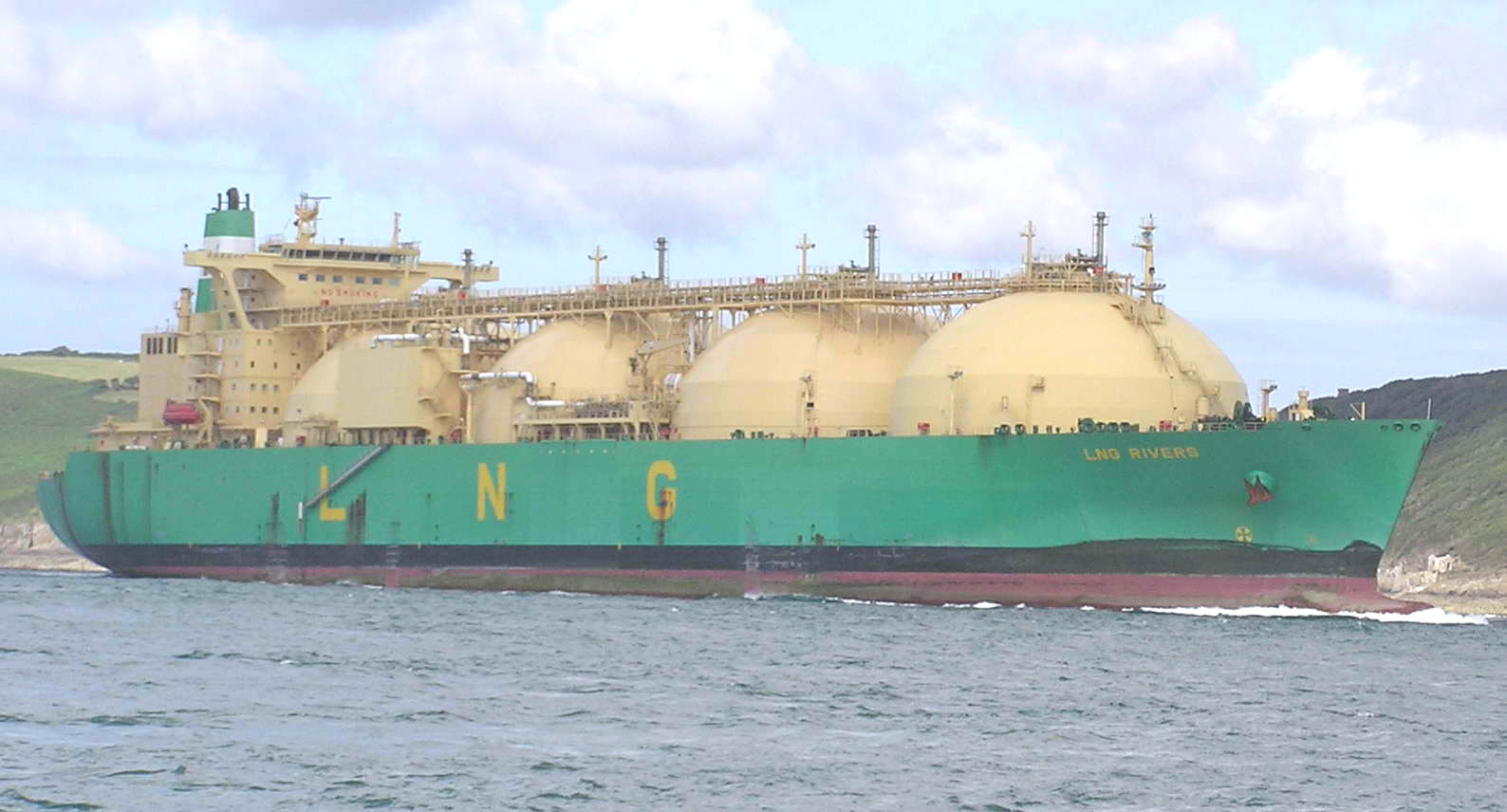
Attacks on Qatar's Ras Laffan facility and Iran's South Pars gas field have taken significant LNG capacity offline for potentially years, driving Japan-Korea Marker (JKM) prices towards US$30 per unit, directly benefiting Australian LNG producers like those operating Gladstone projects. However, Australia's reliance on imported refined fuels has led to rapidly climbing domestic diesel prices and reported panic buying, with the Australian Institute of Petroleum warning of potential fuel rationing within weeks.
Mining giants such as Fortescue anticipate billions in added operational expenses due to high diesel costs, while farmers face increased internal freight and fertilizer costs, pushing Australian wheat prices to 20-month highs. Direct trade with Gulf nations, valued at A$15 billion annually, is hampered by war-risk insurance surcharges of up to US$4,000 per refrigerated container.
Economists from Oxford Economics note that while higher energy prices boost export revenues and government royalties, the domestic fuel crunch risks inflationary pressures, potential Reserve Bank rate hikes, and slower economic growth.

Liquefied natural gas’s reputation as a secure and affordable fuel is taking a hit.