News

Energy Reserves · Geopolitics · Market Volatility · Oil Markets
The Trump administration executed a dramatic reversal, shifting from opposing to aggressively pushing for the largest-ever emergency oil release by the International Energy Agency (IEA).
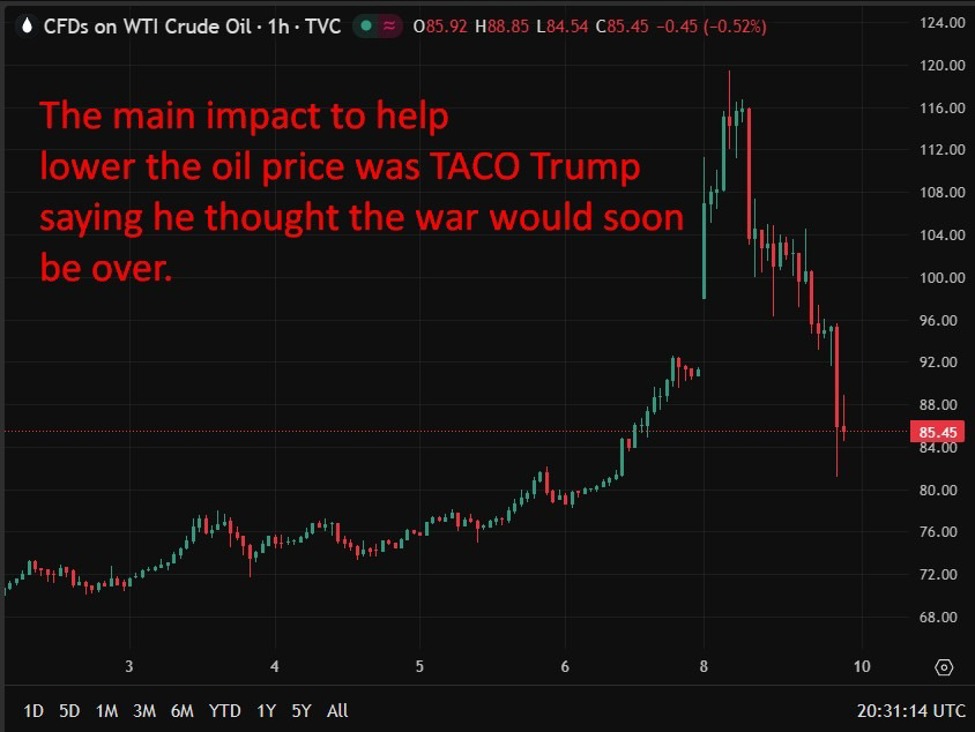
Initially, U.S. Energy Secretary Chris Wright conveyed the White House's stance that intervention was premature with oil below $90 a barrel. However, within hours, President Trump, persuaded by advisors regarding volatile oil prices and concerns over the Strait of Hormuz, directed a complete policy pivot.
This led to the IEA's 32 member nations agreeing to release 400 million barrels, more than double the previous record, and breaking conventional review periods. The move stunned European allies, who, despite initial reluctance and skepticism about its effectiveness, acquiesced to avoid public discord.
The U.S. is slated to contribute over 100 million barrels, potentially drawing its Strategic Petroleum Reserve to its lowest level since 2008, contradicting Trump's pledge to fill it. Experts express concern over the lack of preparation for energy market consequences and question if the release, equivalent to only about 20 days of Strait of Hormuz shipments, will keep prices below $100 a barrel, especially as oil prices rose over 5% post-announcement.