News
Energy Security · Geopolitics · Oil Markets · Strategic Reserves
In a historic effort to stabilize global oil markets and curb rising gas prices, the International Energy Agency's 32 member nations, including the U.S., agreed to release a record 400 million barrels from emergency reserves.
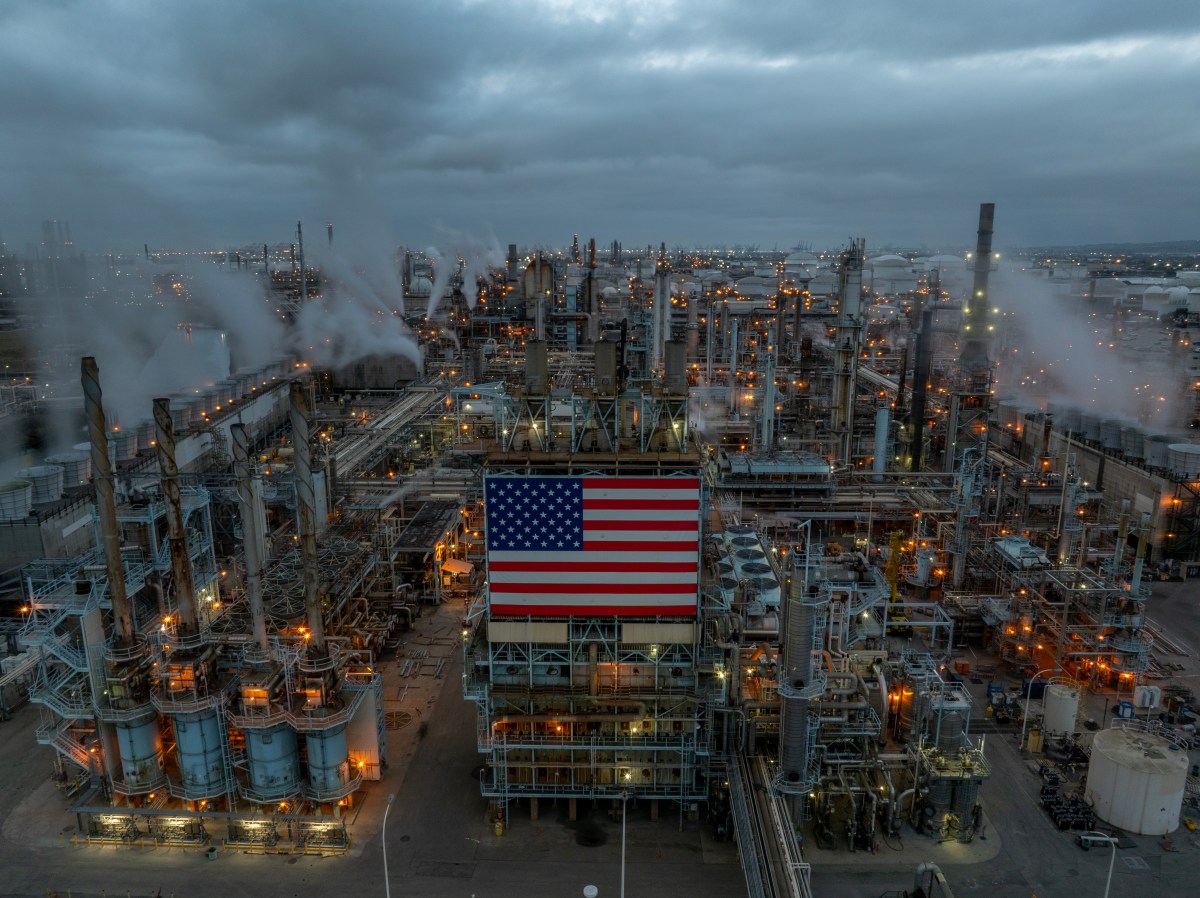
The U.S. alone committed 172 million barrels from its Strategic Petroleum Reserve (SPR). This action aimed to counter disruptions stemming from the war in the Middle East, particularly Iran's effective closure of the Strait of Hormuz, which had pushed Brent crude from under $70 to nearly $120 per barrel.
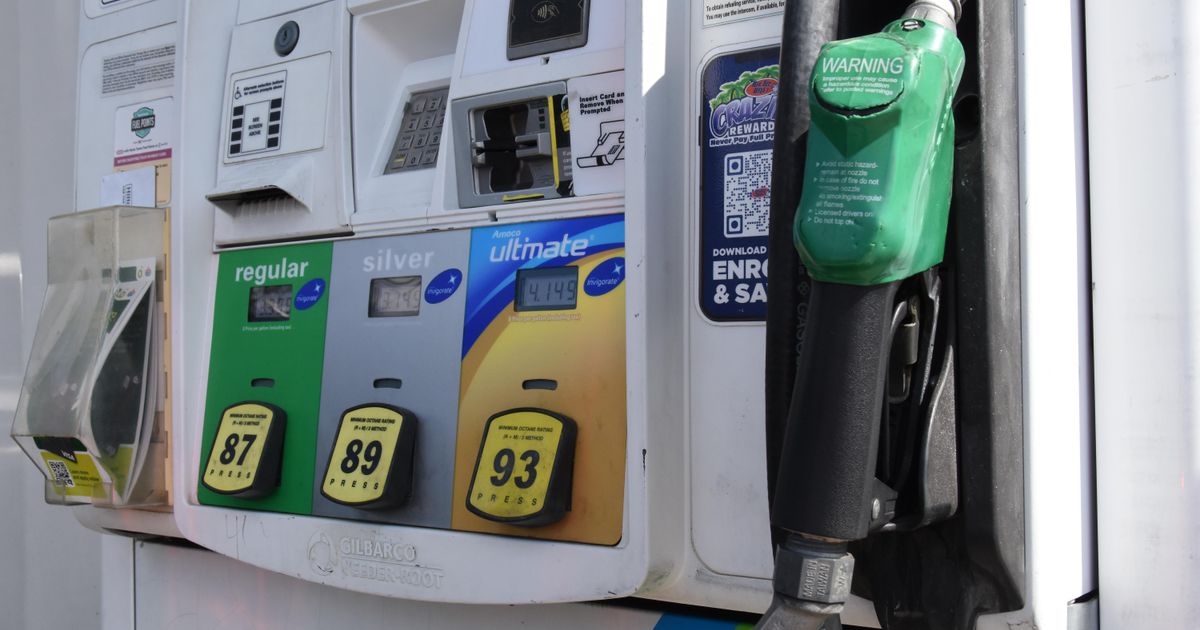
Despite this unprecedented release, oil prices have surged back to around $100 a barrel, failing to offset the rally. Experts note that a $10 increase in oil typically raises gas prices by 25 cents per gallon, and U.S. gas prices now average over $3.
While SPR releases can theoretically smooth prices, their impact is indirect as they supply crude, not finished gasoline, and are limited by U.S. consumption of 20 million barrels per day. A 2022 release by the Biden administration, totaling 240 million barrels globally, was estimated to cut gas prices by 13-42 cents per gallon.
However, ongoing geopolitical tensions, with Iran threatening continued blocking of the Strait of Hormuz, appear to be overriding supply-side interventions.