News
Energy Supply · Geopolitics · Middle East Conflict · Oil Prices
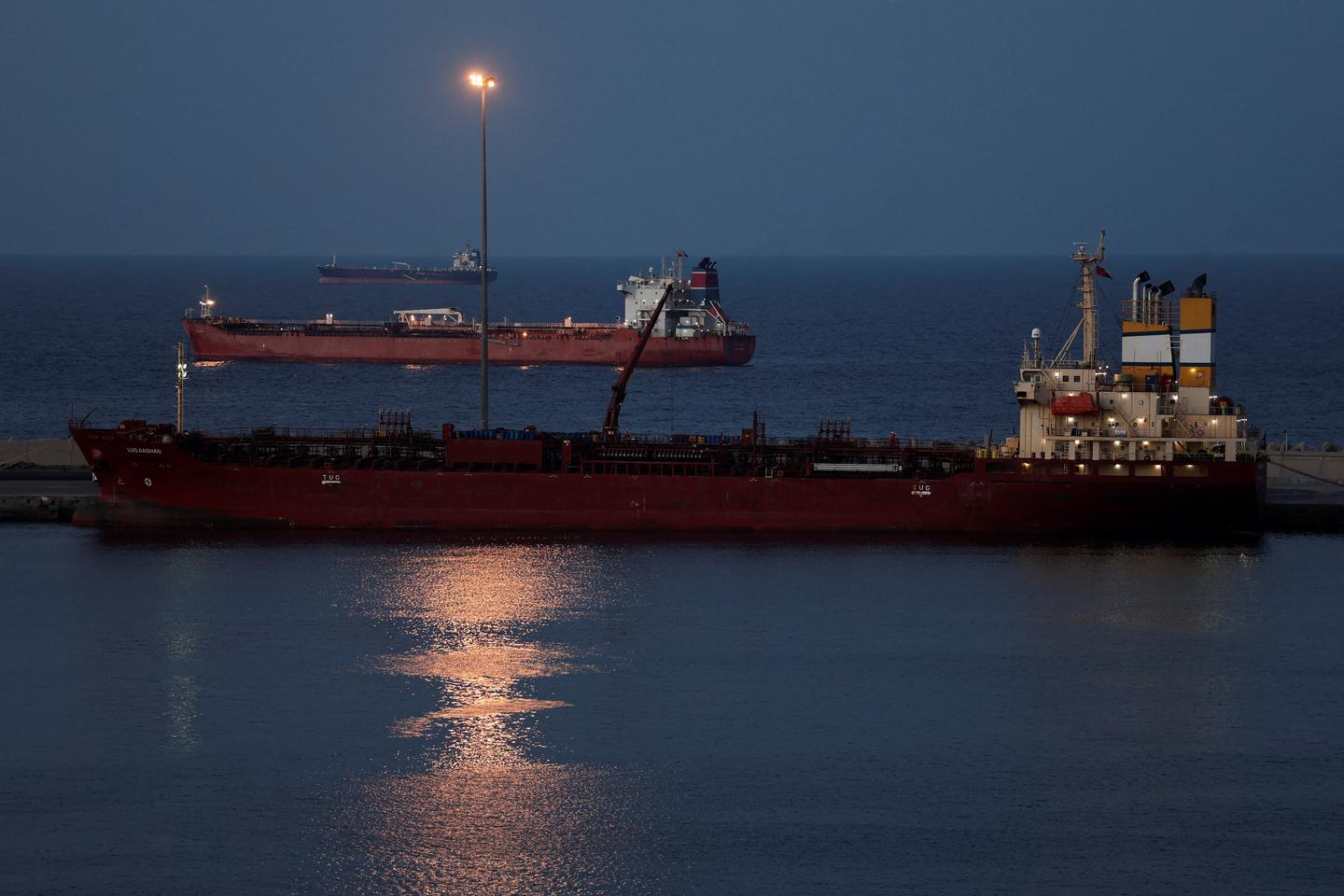
Oil prices surged significantly, with Brent futures climbing 5.32% to $96.87 a barrel and US West Texas Intermediate crude rising 4.88% to $91.51, driven by escalating Iranian attacks on Gulf shipping.
Concerns are mounting over potential disruptions to oil flows through the critical Strait of Hormuz. The International Energy Agency (IEA) characterized the Middle East conflict as causing the "biggest oil-supply disruption in the history of global markets," noting that Gulf countries have cut production by at least 10 million barrels per day.
While the IEA approved a release of 400 million barrels from strategic stockpiles, market analysts like PVM's John Evans view this with skepticism due to an undefined timeline. Goldman Sachs forecasts Brent crude to average $98 per barrel in March and April, potentially surging to $110 if the Strait of Hormuz faces a month-long disruption.
ING analysts emphasize that sustained lower oil prices depend on unimpeded flow through the Strait. Further geopolitical tensions, including Hezbollah's rocket attacks and China's ban on refined fuel exports, exacerbate supply concerns.