News
Energy Prices · Geopolitics · Oil Markets · Shipping
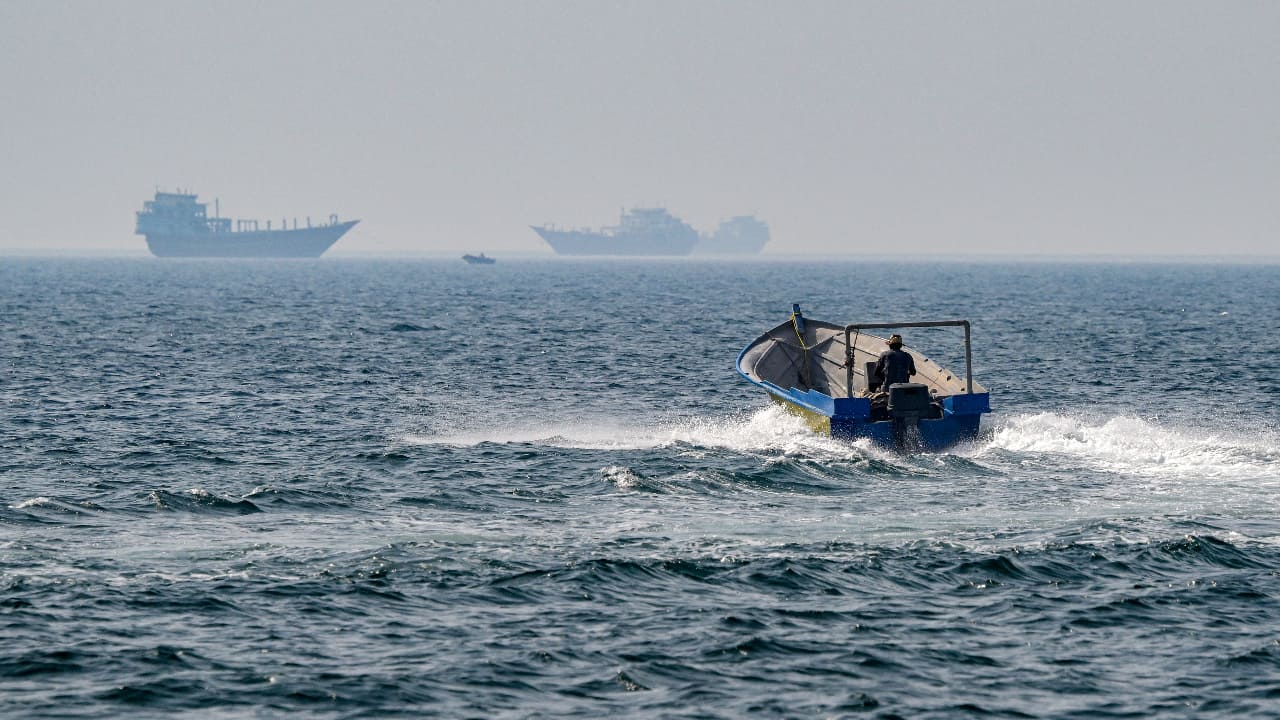
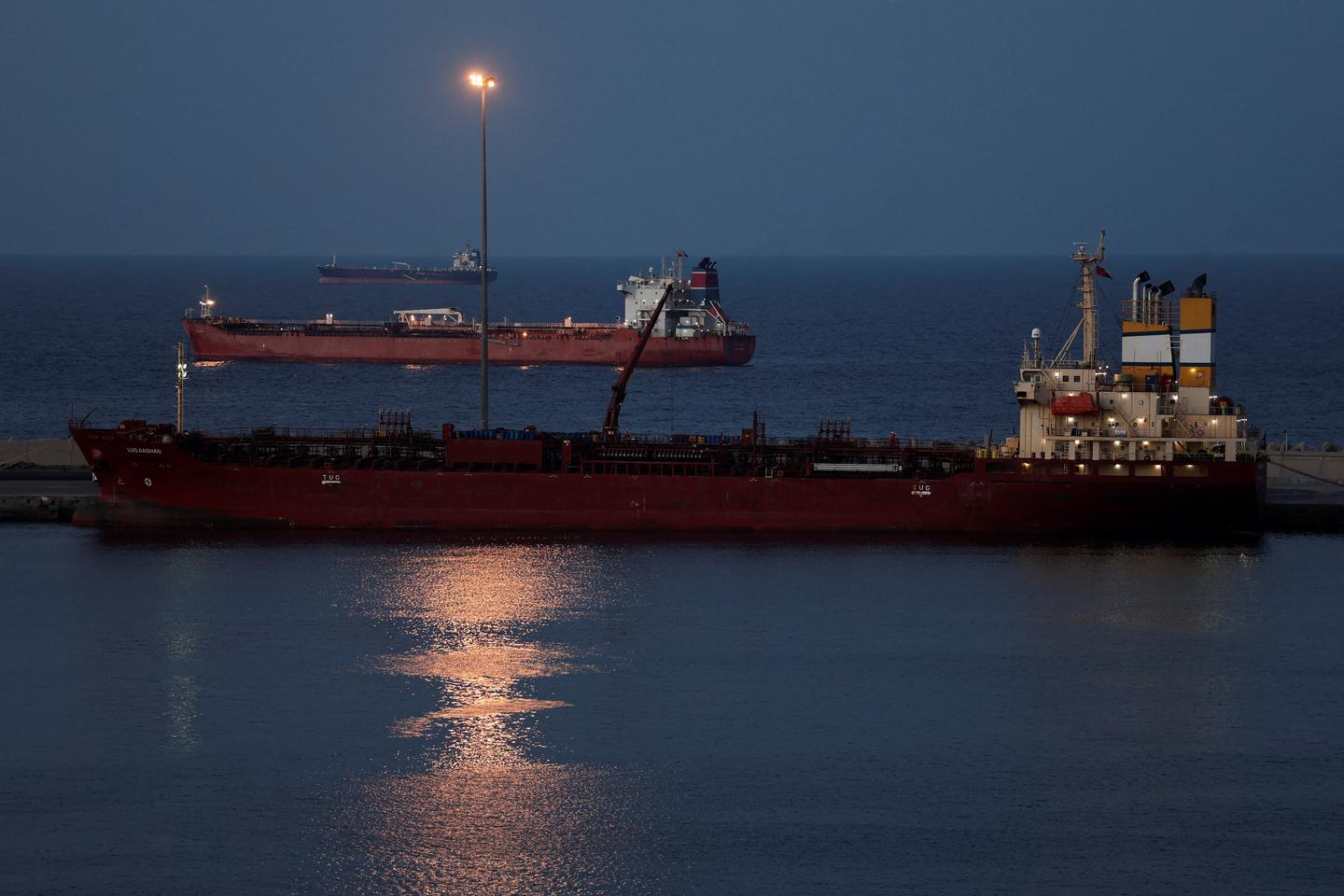
The U.S.-Israeli war on Iran has led to Iran's Islamic Revolutionary Guard taking control of the Strait of Hormuz, a critical global chokepoint for energy shipments.
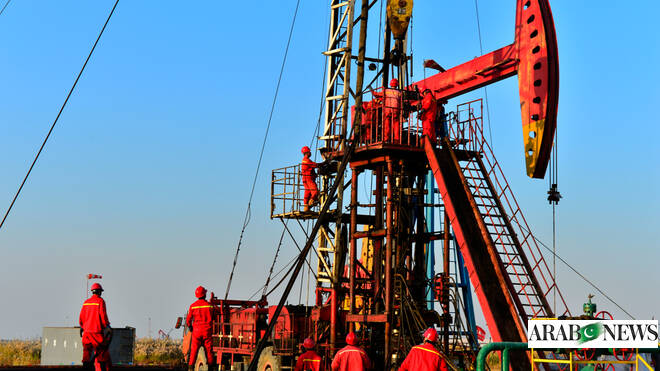
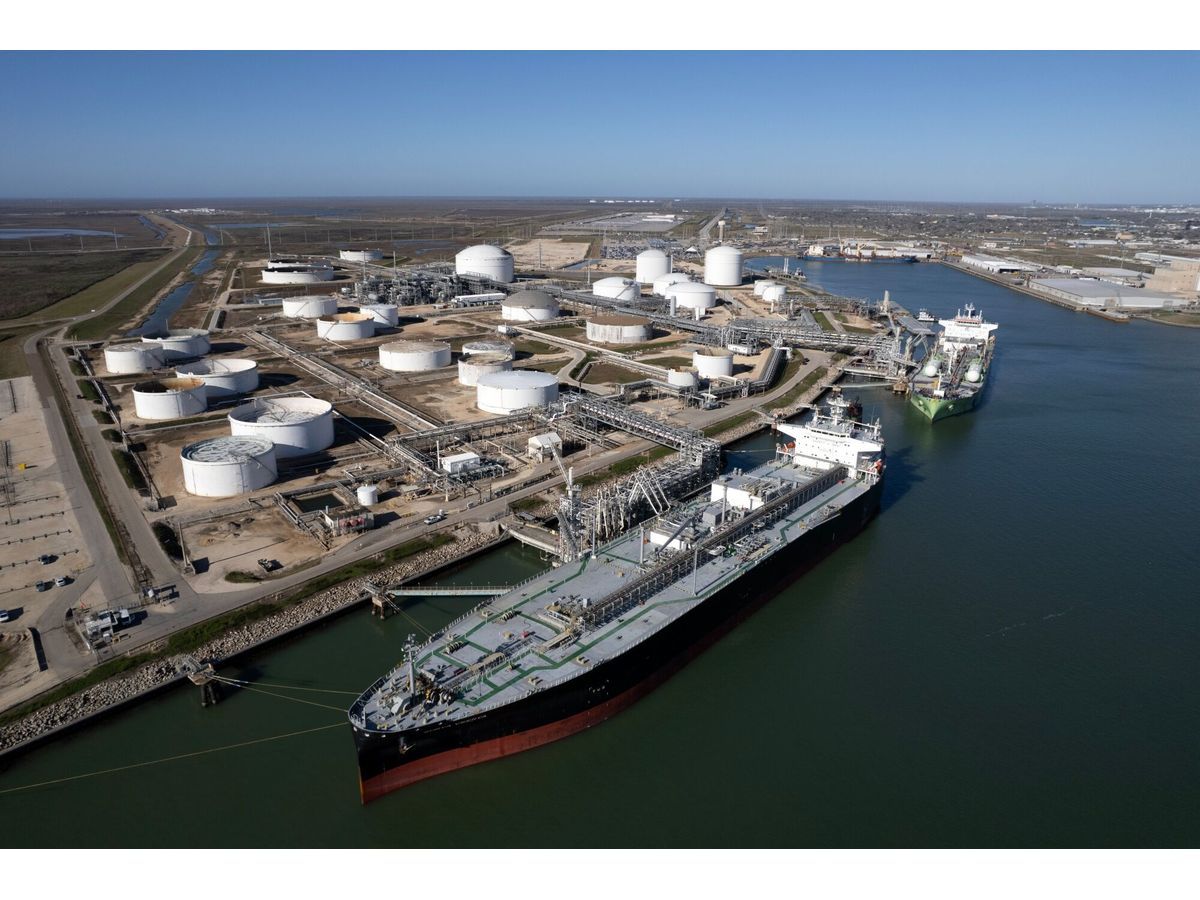
This immediate geopolitical escalation has sent oil prices soaring by 12 percent since the conflict began, with Goldman Sachs raising its Brent crude forecast for Q2 by US$10 to US$76 per barrel. The Strait, vital for one-quarter of the world's seaborne oil and 20 percent of global liquefied natural gas supplies, primarily serves Asian markets (80% of crude).
While North America's oil supply remains largely unaffected, Canadian consumers are experiencing an almost 11-cent per litre increase in gasoline prices. China is expected to be the most impacted, needing to source oil from alternative suppliers, further exacerbating price pressures.
Beyond energy, the conflict is disrupting global shipping lanes, with container ships rerouting around Africa, signaling broader supply chain challenges. The U.S. is exploring measures like risk insurance and naval escorts, though experts question their long-term viability given the limited alternative export routes for Gulf producers.