News

Fed Policy · Inflation · Oil Prices · Treasury Yields
US Treasury yields climbed following reports of escalated attacks on Gulf energy infrastructure, which propelled oil prices higher and reignited inflation concerns.
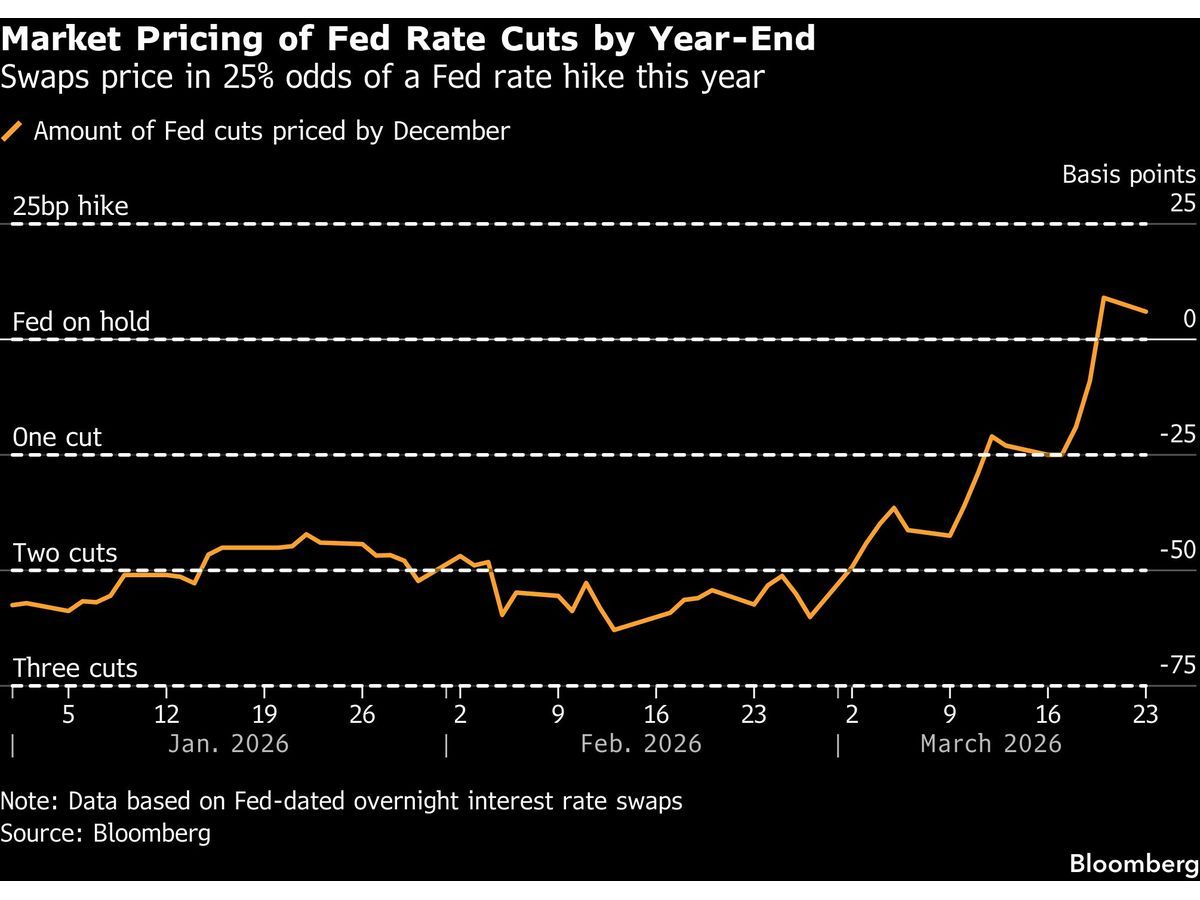
Bond markets are primarily interpreting this Middle East flare-up as an inflation story, prompting investors to demand greater compensation for increased price pressures and uncertainty. Consequently, traders have significantly pared back expectations for Federal Reserve rate cuts this year, now implying roughly 30 basis points of cuts by year-end, down from approximately 50 basis points just weeks ago.
This repricing pushed the 2-year Treasury yield near 3.68% and the 10-year around 4.25%. BMO Capital Markets warns that a prolonged conflict could further strain fiscal dynamics, maintaining upward pressure on Treasuries. For investors, this episode underscores how quickly energy shocks can override softer economic data and reshape rate expectations.
When oil rallies on supply fears, the Fed is often perceived as more cautious, leading to higher short-term yields and tighter financial conditions. This tightening can ripple through rate-sensitive sectors, impacting growth stocks, housing, and corporate borrowing costs.
The broader context of heavy Treasury issuance and shaky auction demand further exacerbates the situation, as investors may continue to demand higher yields to absorb growing deficits.