News
Conflict · Geopolitics · Iran · Oil Markets
Iran, emboldened by its capacity to disrupt global oil shipments through the Strait of Hormuz, has presented stringent preconditions for any de-escalation talks.
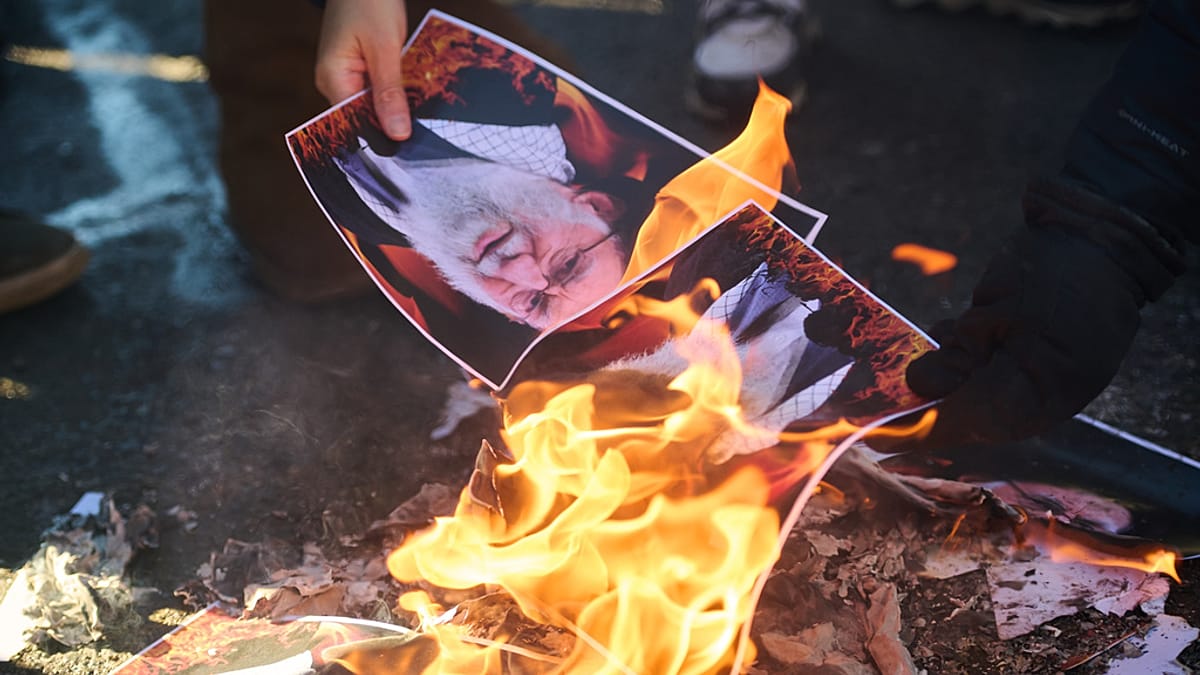
Following intense U.S. and Israeli airstrikes that killed Supreme Leader Ali Khamenei and damaged military assets, Tehran demands an immediate halt to attacks, firm guarantees against future aggression, reparations for damages, and U.S. disengagement from the region. New Supreme Leader Mojtaba Khamenei has vowed further attacks and a continued closure of the Strait, which handles a fifth of global oil.
This strategy, aimed at deterring future assaults, has already driven benchmark oil prices above $100 a barrel. While Arab diplomats are attempting to broker a "period of calm," the U.S. and Israel insist on Iran's unconditional surrender.
Iran, having learned from a previous conflict where it stopped strikes without guarantees, is now playing for time, demonstrating its ability to sustain regional attacks and keep oil markets volatile, signaling a potentially protracted conflict.