News

Energy Markets · Geopolitics · Global Instability · Iran
Iran has shifted its strategic posture from avoiding direct conflict to an "existential" war against perceived "imposed" aggression from the US and Israel.
Historically, Tehran preferred diplomacy, but the US withdrawal from the JCPOA in 2018 and the assassination of Qassem Soleimani in 2020 escalated tensions. Following the October 7, 2025 attacks, Israel intensified its efforts, leading to a June 2025 war targeting Iranian nuclear facilities and the current February 2026 conflict, which included the assassination of Supreme Leader Khamenei. Viewing the conflict as a direct threat to its political system, Iran's new strategy aims to raise the economic and regional security costs for its adversaries.
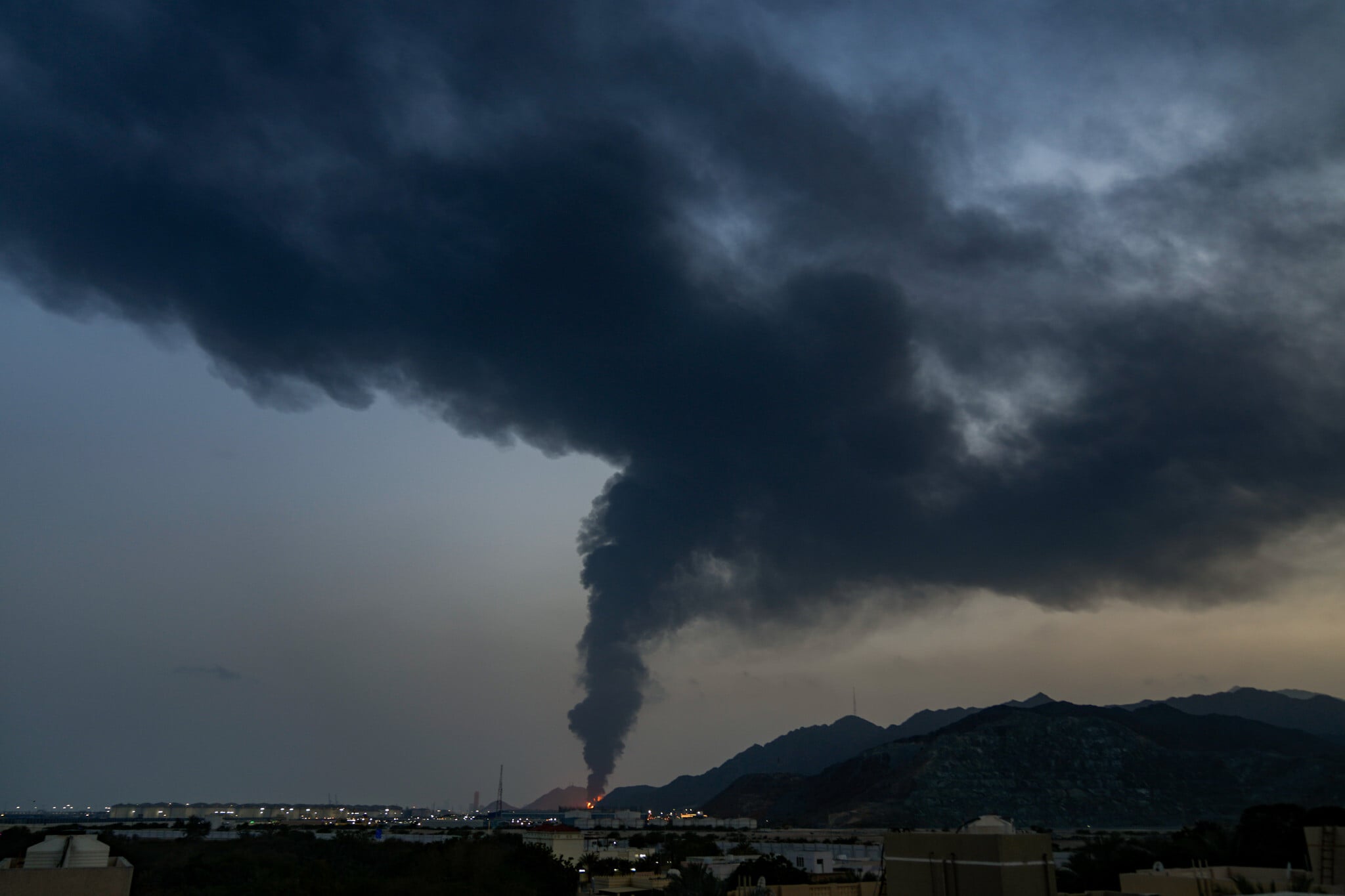
This involves targeting critical infrastructure like the Strait of Hormuz, oil, and gas supplies, which has already caused sharp fluctuations in global markets. The US and Israel, aiming to weaken or overthrow the Iranian regime, may also pursue internal destabilization.
This escalating cycle risks transforming a regional confrontation into global economic and strategic instability, with significant implications for energy prices and market stability.