News
Energy Markets · Geopolitics · Middle East · Oil Prices
Analysts are now forecasting a prolonged period of instability in the Gulf region, a critical global energy hub, which is expected to exert sustained upward pressure on crude oil prices.
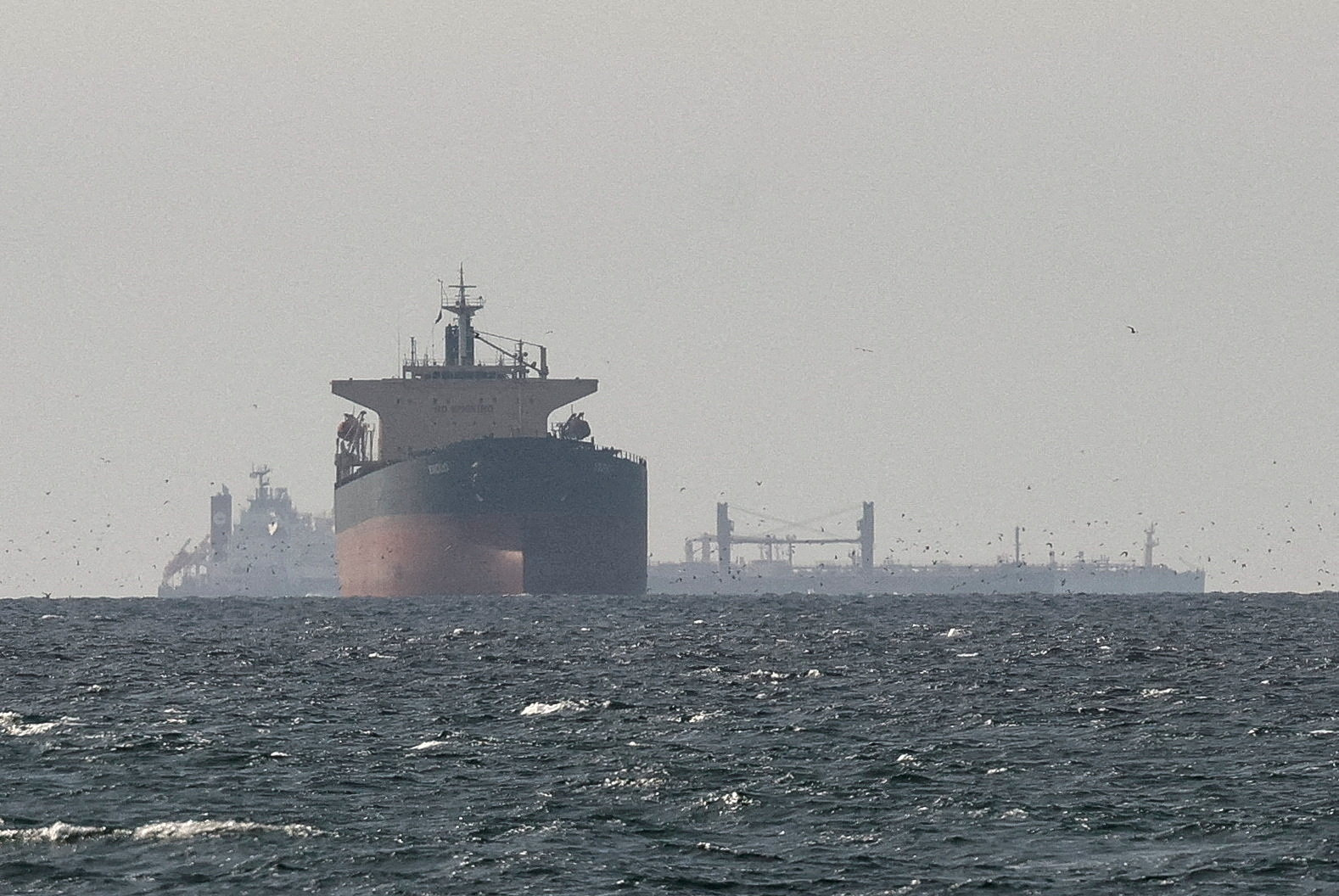
This revised outlook, driven by the ongoing U.S.-Israeli conflict with Iran, signals a shift from previous expectations of transient market disruptions to a more enduring geopolitical risk premium embedded in energy costs. The Strait of Hormuz, a vital chokepoint for global oil shipments, remains central to these concerns, as any escalation could severely impact supply routes.
For investors, this implies a need to recalibrate portfolios for persistent energy market volatility and potentially higher inflationary pressures. Sectors heavily reliant on stable or lower oil prices, such as transportation and manufacturing, may face increased operational costs and margin compression.
Conversely, energy producers and related service companies could see continued tailwinds, benefiting from elevated commodity prices. The long-term nature of this projected turmoil suggests that energy security and supply chain resilience will become increasingly prominent themes in investment strategies.
:max_bytes(150000):strip_icc()/GettyImages-1317105363-26d3cec85ef442388f2adfa273cff087.jpg)