News

Iran War · Oil Prices · Recession · Strait Of Hormuz
The ongoing conflict with Iran raises significant concerns about a potential U.S. recession, primarily due to Iran's targeting of critical economic infrastructure in the Middle East, most notably the Strait of Hormuz.
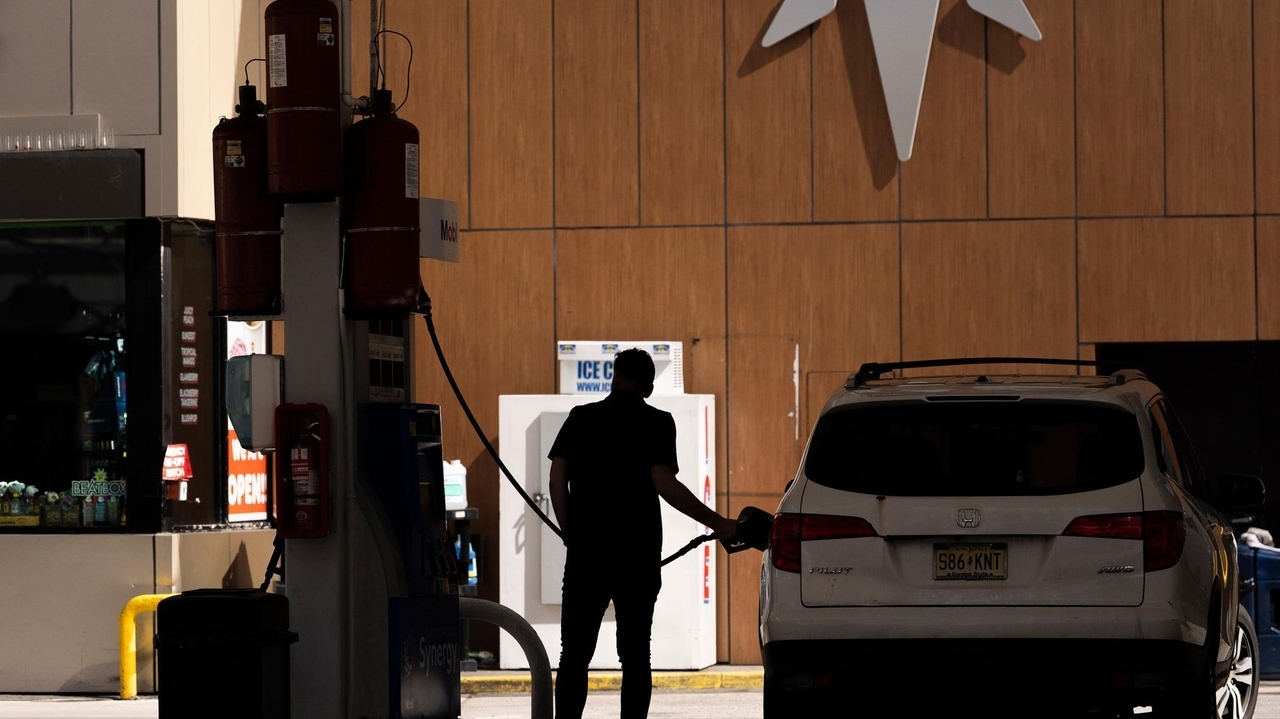
Economists and business leaders largely agree that a prolonged disruption of oil supplies through the Strait, which handles 20 million barrels daily (a quarter of global crude production), would trigger a global recession. While a short conflict might have limited impact, a longer duration could lead to substantial damage, including reduced consumer buying power from higher gasoline prices (up $0.75/gallon from a $30/barrel oil increase), job losses, and restricted Federal Reserve action on interest rates due to inflation. Pre-existing weaknesses in the U.S. economy, such as slowing hiring, job losses, and declining consumer confidence, exacerbate these fears.
Some experts also highlight the risk of stagflation. While some believe the U.S. economy is resilient and the conflict may be short-lived, the consensus leans towards valid recession fears, with potential stock market declines signaling a modest recession by early 2027 if the conflict persists.
The impact on U.S. investment from Persian Gulf nations also remains a concern.