News

Global Economy · Inflation · Iran War · Oil Prices
The ongoing war with Iran, particularly the effective shutdown of the Strait of Hormuz following the killing of Iranian leader Ayatollah Ali Khamenei, is inflicting significant collateral damage on the global economy.
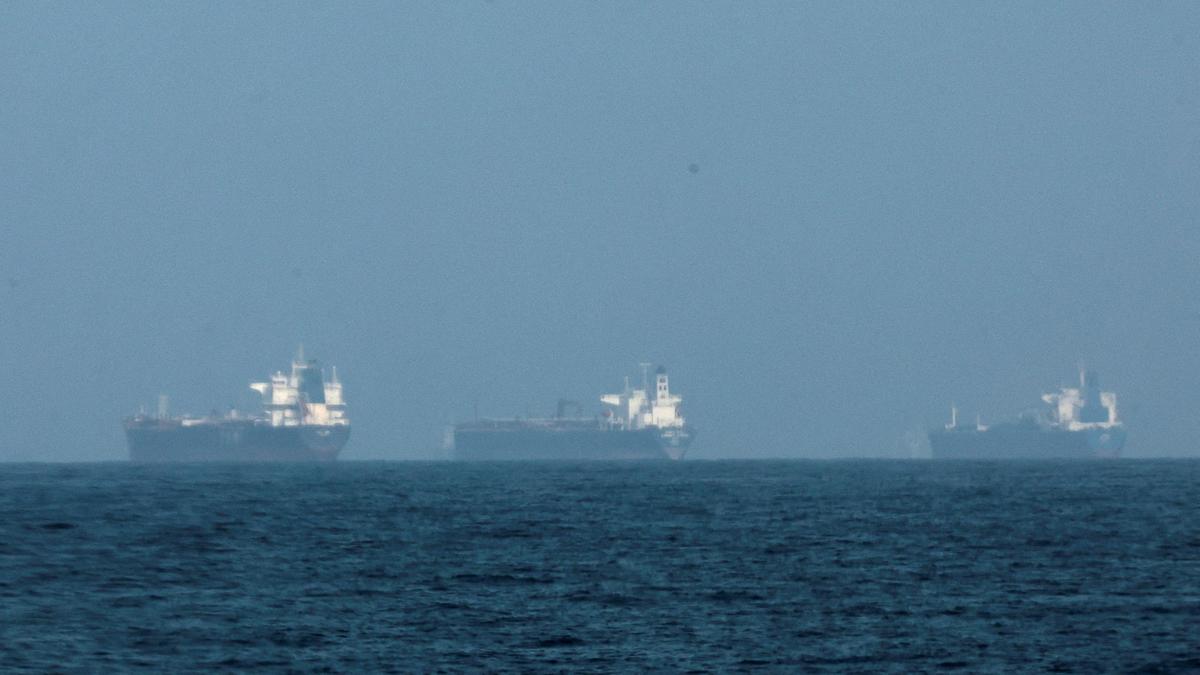
This critical shipping route, through which a fifth of the world's oil and 30% of fertilizer exports pass, has caused oil prices to surge from under $70 to nearly $120 a barrel before settling around $90. This spike is driving up energy and fertilizer costs, threatening food shortages in vulnerable nations, and destabilizing fragile states like Pakistan.
The International Monetary Fund estimates a 10% oil price increase could boost global inflation by 0.4 percentage points and reduce economic output by 0.2%. Central banks, including the Federal Reserve, face a severe dilemma: raise rates to combat inflation or cut them to support a weakening economy, reminiscent of the 1970s oil shocks.
While the U.S., as a net energy exporter, might see a slight overall gain, American consumers face higher gasoline prices, eroding tax cut benefits. Energy importers like Europe, India, and China are severely impacted, while oil producers outside the conflict zone, such as Norway, Russia, and Canada, stand to benefit.