News
Energy Crisis · European Debt · Fiscal Policy · Government Support
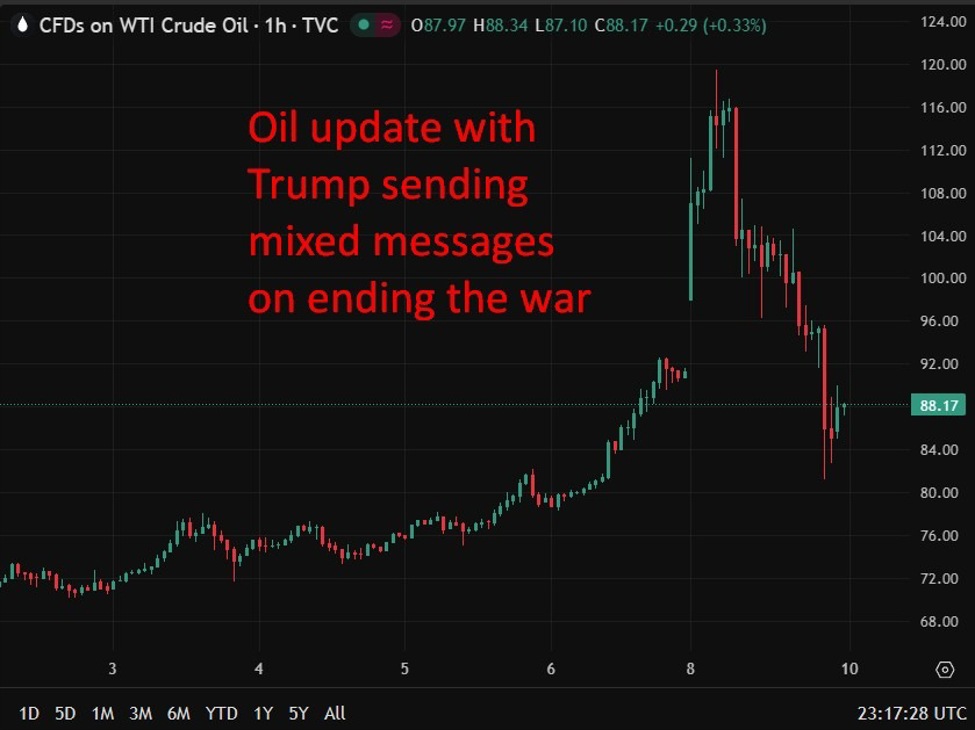
The U.S.-Israeli war on Iran has triggered a surge in energy prices, pressuring European governments to support households and businesses.
However, their fiscal capacity is severely limited compared to the 2022 energy crisis, primarily due to budget deficits nearly 3 percentage points higher than in 2019, weaker economic growth, and increased interest and defense spending. Initial responses include low-cost measures like oil price caps and profit margin restrictions in France, Greece, and Poland.
While current gas prices are well below 2022 peaks, a prolonged interruption of gas deliveries could necessitate renewed subsidies. Countries like France and Britain face significant fiscal pressures due to high deficits, while Italy's growth slowdown could complicate its budgetary discipline.
The re-imposed EU fiscal rules mean governments can only provide around 0.3% of output in support annually, a stark contrast to the 3.6% offered in 2022-23. This necessitates more targeted measures, with a severe downturn required for the EU to suspend its rules again.
Higher debt costs also constrain fiscal action, making bond investors sensitive to slippage. While windfall taxes are an option, past revenues haven't matched subsidy costs, and critics argue subsidies increase demand.
Reducing demand is seen as a better short-term solution.
Europe's Debt Limits Energy Aid Amid War(current)