
News
Europe · Inflation · Interest Rates · Oil
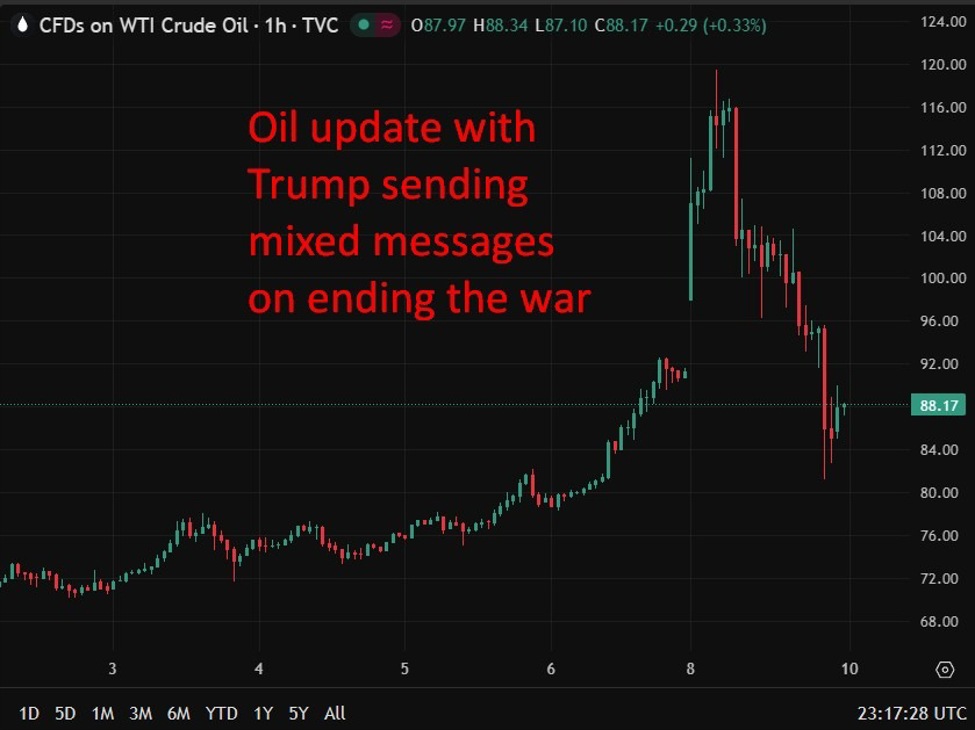
The ongoing conflict involving Iran has propelled crude oil prices above $119 a barrel, reigniting fears of a global inflationary shock and prompting markets to price in new interest rate hikes across Europe.
Investors now anticipate that the European Central Bank, Swiss National Bank, and Sweden's Riksbank may tighten monetary policy later in 2026, with the Bank of England potentially following in 2027. This shift reflects concerns that elevated energy costs could feed into broader inflation, reminiscent of the delayed policy response to the 2022 energy crisis following Russia's invasion of Ukraine.
Policymakers face a dilemma: whether to view the energy surge as temporary or act preemptively to prevent inflation from becoming embedded. While some analysts suggest markets might be overreacting, driven partly by position adjustments, a sustained rise in energy prices could lift inflation in the Euro area and UK by roughly one percentage point, delaying or reversing the global easing cycle and increasing volatility in bond, currency, and equity markets.
The trajectory of oil prices remains the critical determinant for future monetary policy actions.
Oil Spike Forces European Central Bank Rate Rethink(current)
