News

Bund Yields · ECB Policy · Energy Prices · Geopolitical Risk
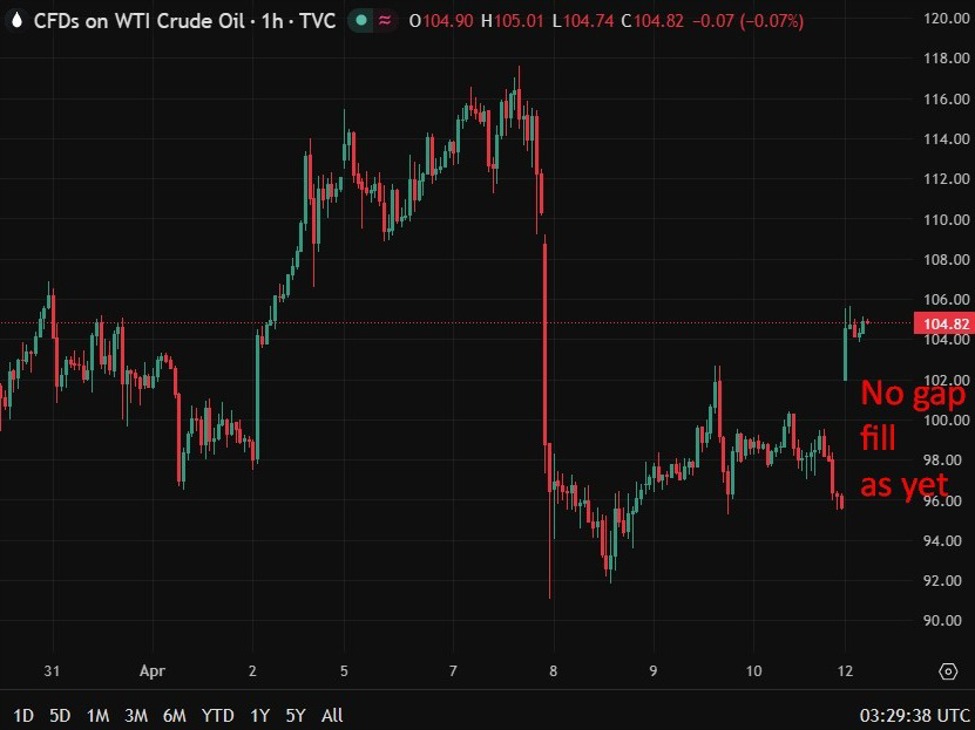
On April 8, 2026, Germany's 10-year Bund yield dropped 15 basis points to 2.93% following a US-Iran ceasefire agreement, which halted the US-Israel military campaign and reopened the Strait of Hormuz, significantly reducing European Central Bank rate hike expectations for the year.
This de-escalation of geopolitical risks, as reported by Joana Ferreira, caused oil and European gas prices to tumble, prompting investors to scale back expectations for European Central Bank (ECB) rate hikes. Markets now anticipate two rate increases this year, down from previous projections, effectively removing one hike from their 2026 forecasts.
However, this positive market reaction proved temporary; subsequent reports from April 10 to April 14, 2026, indicated a collapse of US-Iran negotiations, with US President Donald Trump imposing a naval blockade on the Strait of Hormuz. These renewed tensions sent Brent crude to $102 per barrel and pushed Germany's 10-year Bund yield back above 3%, nearing its 15-year peak of 3.13%, reinforcing expectations for a more hawkish ECB with at least two rate hikes by the end of 2026.
US-Iran Ceasefire Slashes Bund Yields, Cuts ECB Hike Forecast(current)