News
European Energy · Gas Prices · LNG Supply · Power Markets
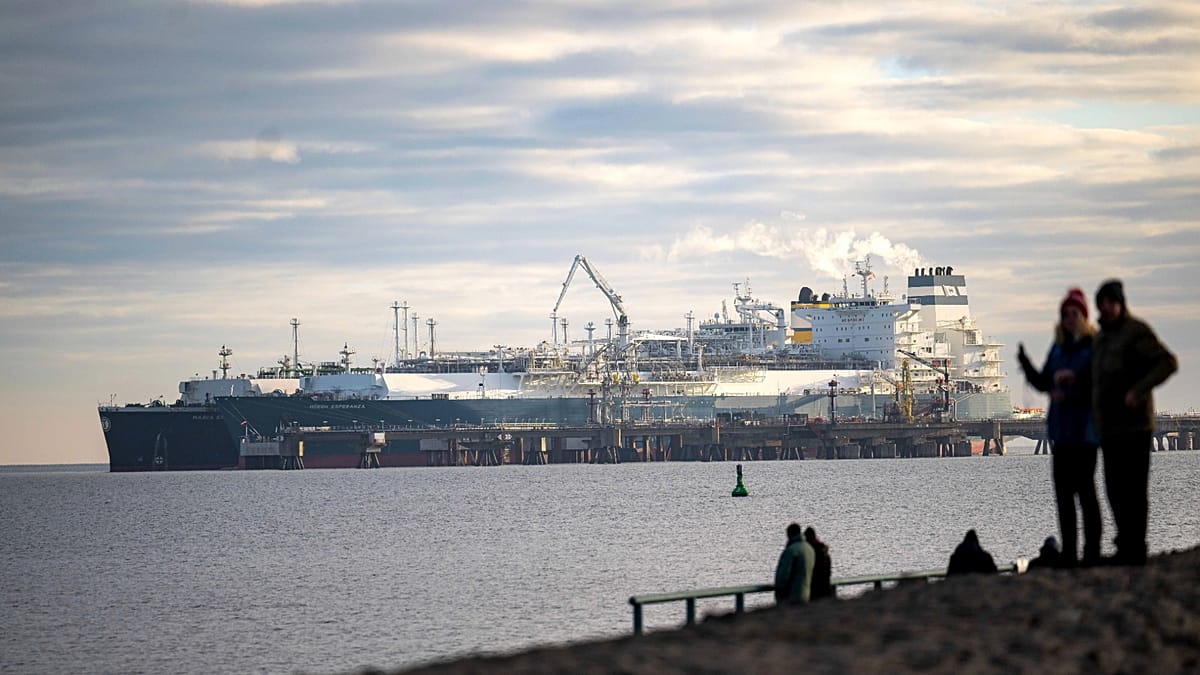
Wood Mackenzie reports the Middle East conflict removes 1.5 Mt of LNG weekly, equivalent to 19% of global exports, driving sustained volatility in European power markets, with TTF gas prices soaring above 55/MWh and passing through to electricity costs.
TTF day-ahead gas prices topped 55/MWh ($18.7/mmBtu) on March 9, 2026, following QatarEnergy’s force majeure declaration. European gas storage sits 10% below 2025 levels after a January 2026 cold spell.
Europe's ability to switch from gas to coal-fired generation has sharply declined since 2022; a 77% gas price increase reduces gas generation by only 5%. Peter Osbaldstone, Research Director at Wood Mackenzie, states gas generators frequently set marginal prices in major markets, with German power prices increasing 40/MWh for every 30/MWh TTF rise.
Despite low-carbon sources providing 66% of European supply in 2025, up from 51% in 2022, gas remains critical for system balance, particularly in Italy, Great Britain, and Germany. The limited fuel-switching flexibility locks in the linkage between gas and power prices.
Policy intervention probability increases, with European governments spending 60 billion on crisis-related electricity subsidies in both 2022 and 2023. Potential 2026 interventions include revenue caps, windfall taxes, consumer subsidies, and temporary market rule changes.
Energy security is a renewed policy priority, strengthening the strategic case for renewables, nuclear, grid expansion, and storage. Nuclear policy shifts include Sweden establishing $25 billion in state loan support for new nuclear build, Italy lifting its moratorium, Poland advancing six reactors with $17 billion in direct investment support, and Spain reconsidering operational extensions for plants.
The REPowerEU initiative delivered an 18% reduction in gas demand by end-2023. The EU remains legally bound to 90% emissions reduction by 2040.
The market outlook depends on conflict duration and infrastructure damage; a quick restart of Qatar's LNG facilities requires approximately two weeks if no damage occurs. Construction at Qatar’s mega-trains will likely pause, creating longer-term supply implications.
Before the conflict, the global gas market appeared balanced at $11/mmBtu (31/MWh), with more than 35 Mt of new LNG supply expected in 2026. Asian LNG prices for April 2026 delivery have climbed and will trade at a premium to Atlantic basin prices.
Wood Mackenzie provides further analysis on its Middle East Conflict Landing Page.
Middle East Conflict Drives European Power Volatility, LNG Supply Drops(current)