News
Energy Costs · Europe Economy · Inflation · Iran War
Europe's economy is experiencing significant pain from Donald Trump's Iran war, leading to slashed growth expectations, faster energy-driven inflation, and renewed industrial, fiscal, and political pressures across the region, prompting EU finance ministers to convene for impact assessment and relief coordination.
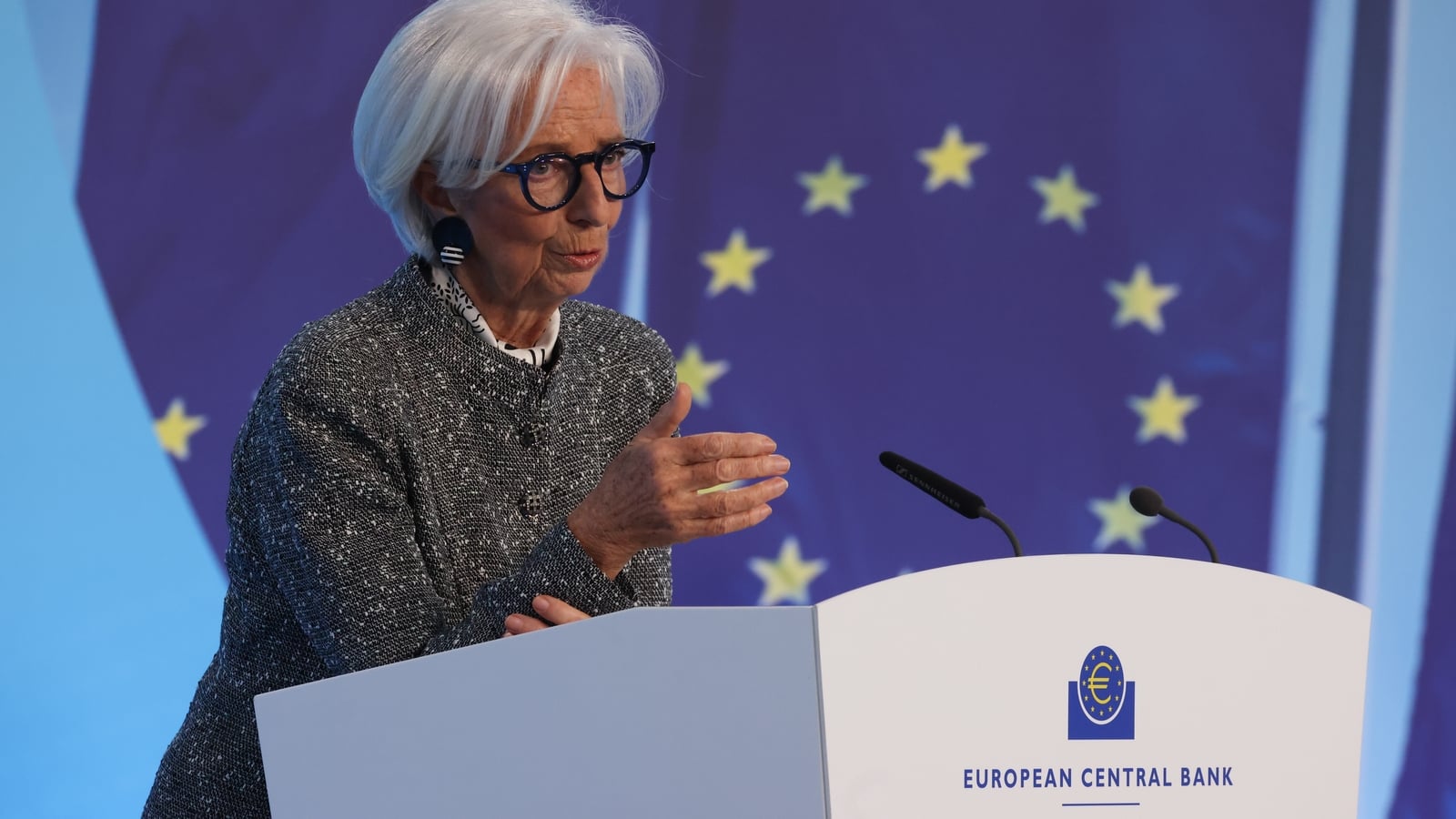
The month-long military campaign has forced countries like Germany and Italy to weigh cuts to official growth projections, following a more somber outlook from the European Central Bank. ECB President Christine Lagarde stated the current shock is "beyond what we can imagine." Resource-hungry sectors, particularly German chemical makers such as SKW Piesteritz GmbH, which scaled back production to 85%, and Evonik Industries, face output cuts due to the Strait of Hormuz closure.
Container shipper Hapag-Lloyd AG incurs additional weekly costs of $40 million-$50 million for fuel, insurance, and storage, which CEO Rolf Habben Jansen is trying to recover through charges. Consumer sentiment reflects rising price expectations, with Next Plc warning of 1.5% to 2% price increases if the war exceeds three months, and Hennes & Mauritz AB noting potential consumption curbs.
Spanish inflation, while lower than expected, remains above the ECB's 2% target. The conflict challenges Europe's collective action and fiscal space, with only Germany having meaningful capacity for support measures, as noted by Bloomberg Economics' Antonio Barroso.
UK finances are also strained, with former BOE policymaker Andy Haldane emphasizing the need for caution. G7 policymakers will discuss the challenge posed by the war, which French finance chief Roland Lescure described as an intersection of economic, energy, inflation, and central bank issues.
Asia FX Plummets; Japan CPI Misses BOJ Target