
Araverus
NewsMarketsResearch
News
HeadlinesThreadsAtlas
© 2026 Araverus
AboutContactPrivacyTerms

Araverus does not provide financial, investment, or trading advice. All content is for informational purposes only. Full disclaimer

  1. News
  2. /
  3. World
Top Headline

ECB: Middle East Conflict Threatens Europe's Financial Stability

Part of Middle East War Escalates, Roiling Global Markets

Araverus Team|Thursday, March 26, 2026 at 9:49 AM

ECB: Middle East Conflict Threatens Europe's Financial Stability

Araverus Team

Mar 26, 2026 · 9:49 AM

ECB · Financial Stability · Inflation · Middle East Conflict

ECBFinancial StabilityInflationMiddle East Conflict

Key Takeaway

The current "contained" status of the Middle East conflict's impact on Europe's financial system is precarious, meaning investors must prepare for potential systemic stress and increased volatility across European government bonds and equity markets. Higher energy prices and inflation expectations mean the European Central Bank will face pressure to raise borrowing costs, impacting fixed income and growth-sensitive sectors.

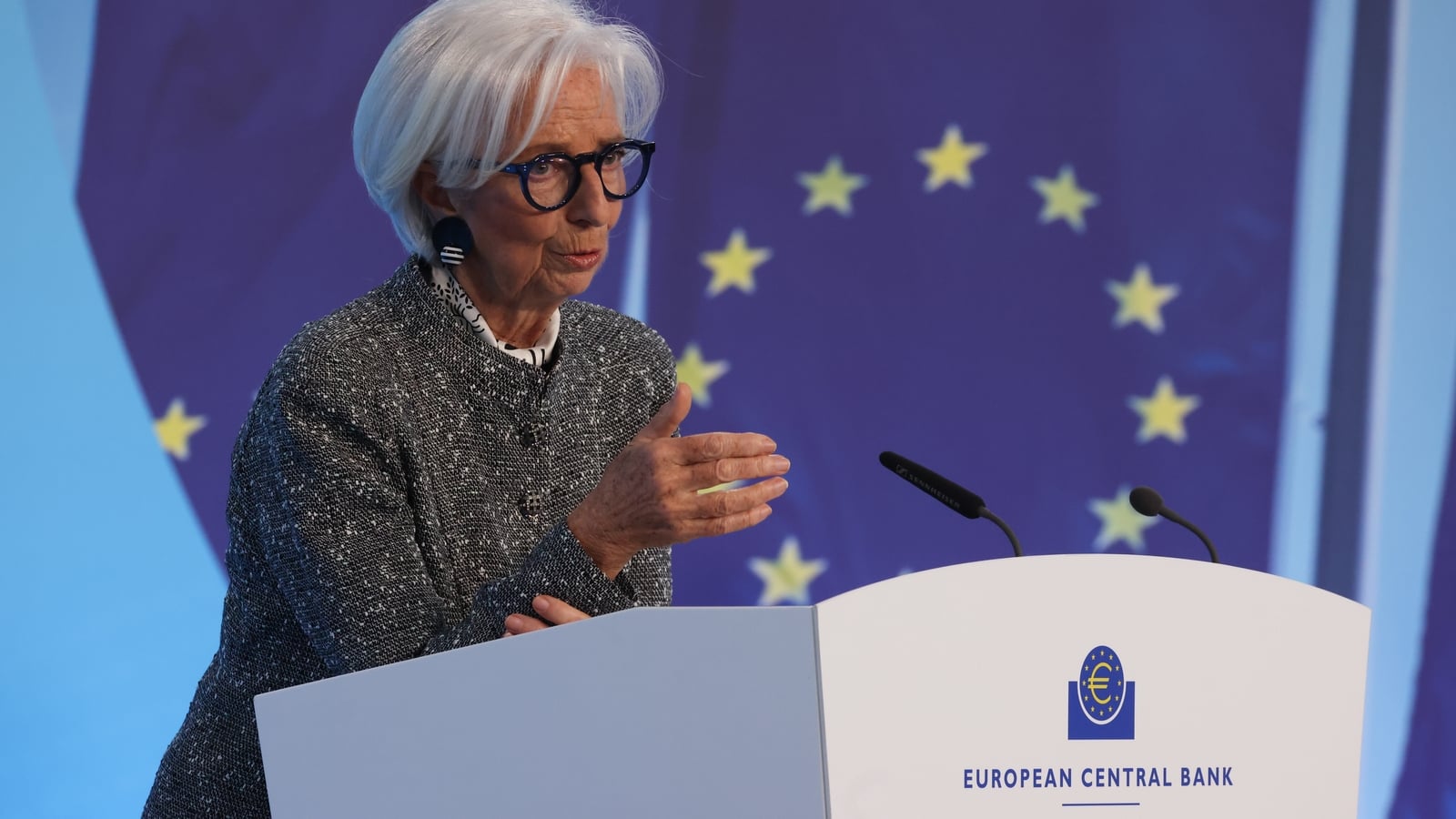
ECB Vice President Luis de Guindos stated that the Middle East conflict has had a modest impact on Europe's financial system for now, but warned it could lead to systemic stress, impacting market sentiment and asset valuations.

The conflict, which began with U.S. and Israeli attacks on Iran in late February, has caused widespread damage to energy and transport facilities, largely closing the Strait of Hormuz. This critical waterway typically handles a fifth of the world's oil production and significant shares of natural gas and fertilizer trade.

Financial markets have reacted with big swings, specifically European government bond yields rising sharply as investors adjust to higher expected inflation and the possibility that the European Central Bank will raise borrowing costs. De Guindos, who is responsible for financial stability at the ECB, explicitly stated that this conflict "could trigger the unraveling of interconnected vulnerabilities and cause systemic stress" and "threatens to derail market sentiment at a time when asset valuations are high."

Thread Timeline: Middle East War Escalates, Roiling Global Markets

Mar 23, 2026Eurozone Bond Yields Jump on Oil Price Surge
Mar 24, 2026Iran War Sinks Copper 8%, Fuels Inflation Fears
Mar 26, 2026Middle East Tensions Drive European Gas Prices Up 30%
Mar 26, 2026Middle East Conflict Drives Bund Yields to 15-Year High
Mar 26, 2026

ECB: Middle East Conflict Threatens Europe's Financial Stability(current)

Read More On

Iran War’s Impact on European Financial System ‘Contained’ for Now, ECB’s De Guindos Sayswsj.comIran war could trigger financial systemic stress, ECB vice president warns By Reuters - Investing.cominvesting.comIran war could trigger financial systemic stress, ECB vice president warns - Reutersreuters.comImpact of Middle East Conflict on Europe's Financial System 'Contained' For Now, Says ECB's De Guindos - marketscreener.commarketscreener.comIran war could trigger financial systemic stress, ECB vice president warns - Yahoo! Finance Canadaca.finance.yahoo.com

Related Articles

Economy★★★Similarity: 79% · 6d ago

Iran War Scrambles Calculus for Central Banks

The Iran war and its impact on energy prices is forcing global central banks to reassess their interest rate plans.

World★★★Similarity: 78% · 6d ago

EU Leaders Wrangle With Middle East Fallout at Brussels Summit

They have called for de-escalation of the conflict as the bloc grapples with volatile energy prices and blocked trade routes.

Economy★★★Similarity: 75% · 1d ago

ECB Would Need ‘Forceful’ Response if Inflation Surges, Says Lagarde

But she added the key rate wouldn’t be lifted until there is sufficient information available to judge the likely impact of the Middle East conflict.