News

Energy Crisis · EU · Inflation · Middle East War
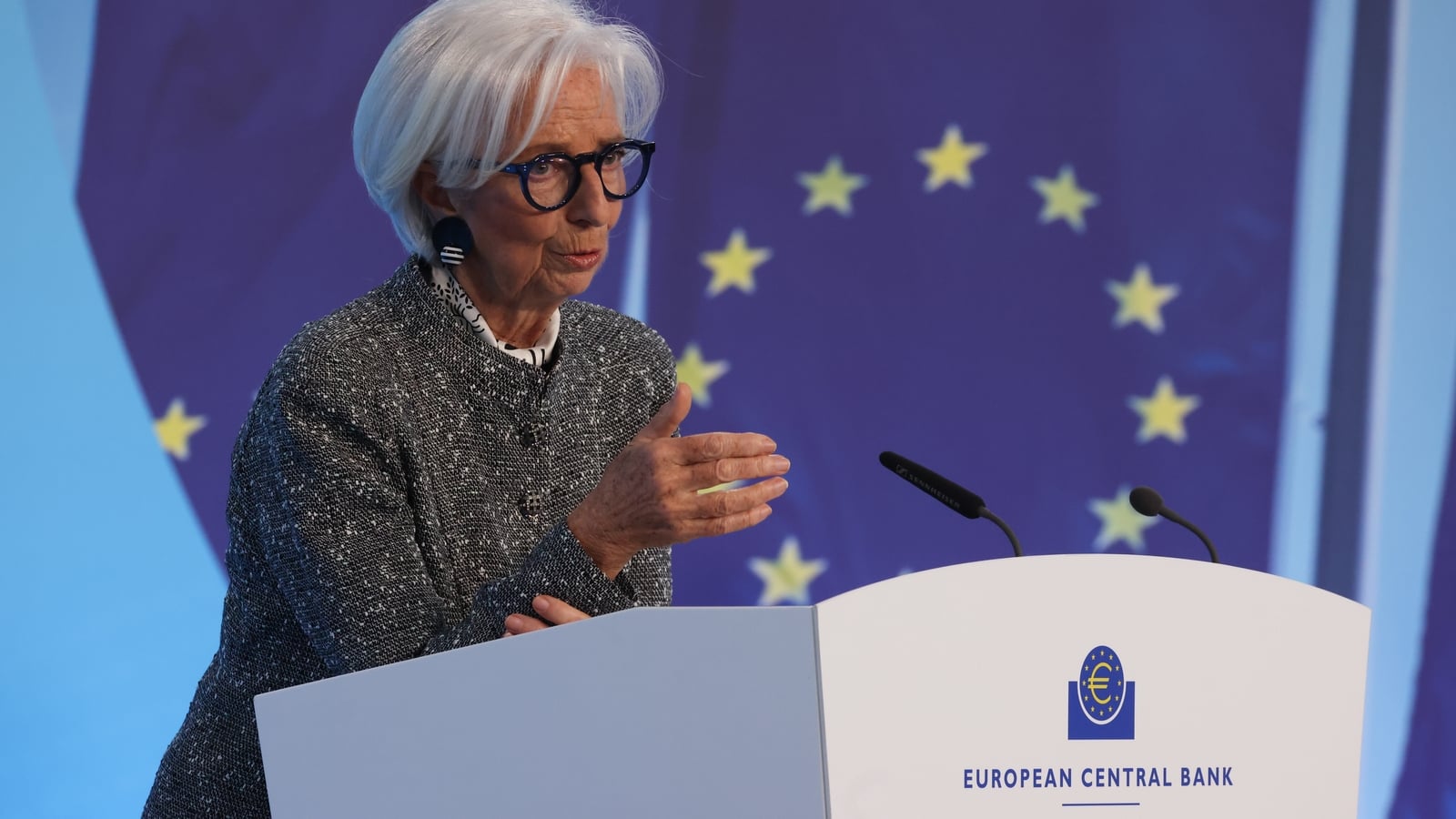
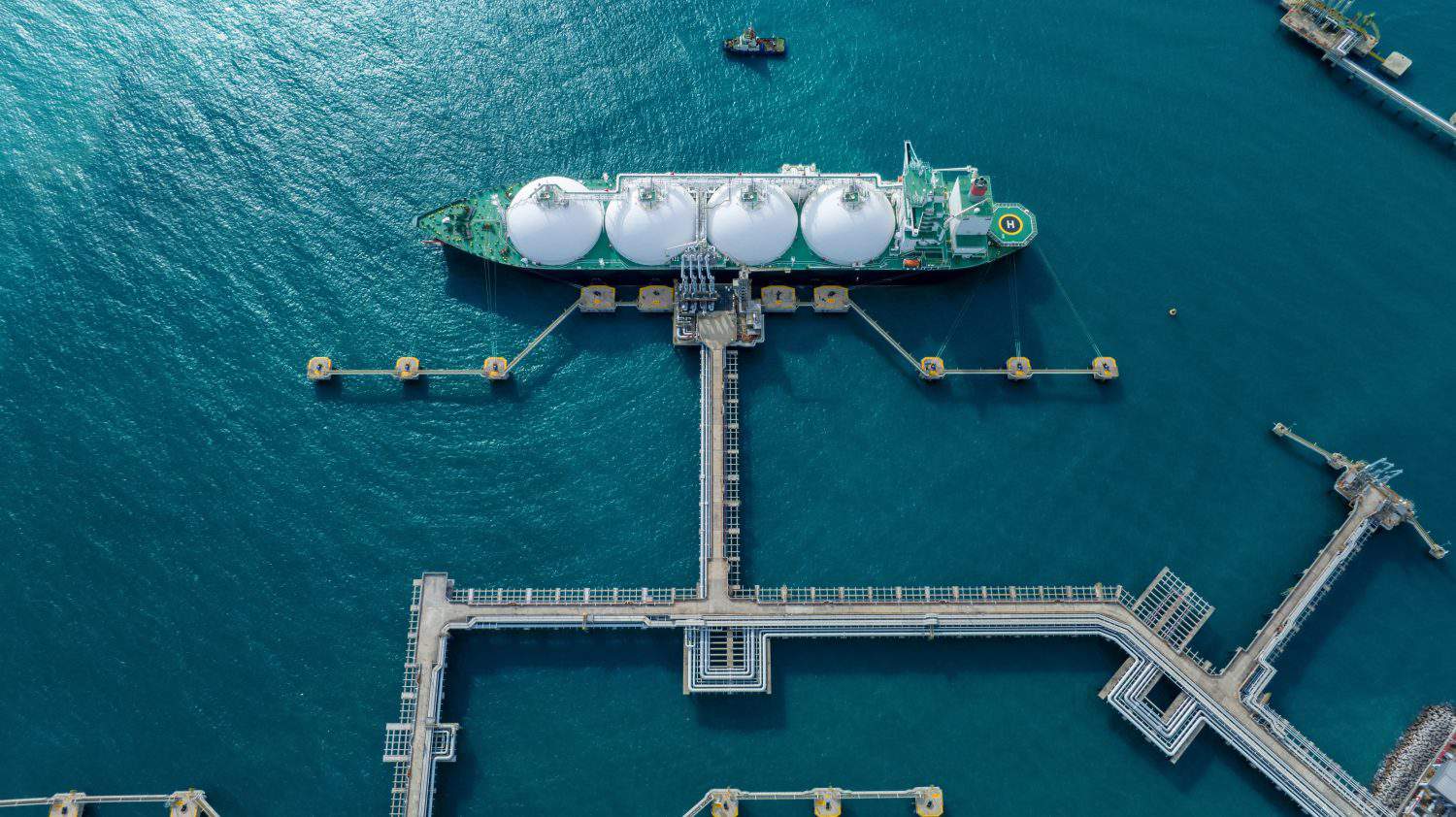
European Union leaders convened in Brussels on March 19, 2026, to address a significant spike in oil, gas, and fertilizer prices, directly caused by the ongoing war across key energy-producing regions and shipping lanes in the Middle East, with the European Commission proposing financial instruments to mitigate these economic shocks.
The conflict, specifically involving Iran and Lebanon, has exacerbated already high energy costs, raising fears among EU nations of a structural energy crisis and a new refugee influx. U.S. President Donald Trump had urged EU leaders to deploy military assets to secure the Strait of Hormuz, a critical global waterway, but these entreaties were deflected.
Belgian Prime Minister Bart De Wever expressed deep concern, stating that if the price surge becomes structural, Europe faces "deep trouble." Dutch Prime Minister Rob Jetten clarified that while critical of the Iranian regime, Europe is not militarily involved in the U.S.-Israel initiated conflict, advocating for increased sanctions on Iran and support for opposition groups. The European Commission presented a range of financial instruments for member nations to discuss and deploy, aiming to lower energy prices across the bloc's diverse markets.
No single policy is expected to fully blunt the economic impact, indicating a complex and multi-faceted approach is required to stabilize the energy market.
EU Leaders Seek Energy Price Stability(current)
Plus, Trump orders a more low-key approach to mass deportations.