News
Geopolitics · Iran · Oil · Strait Of Hormuz
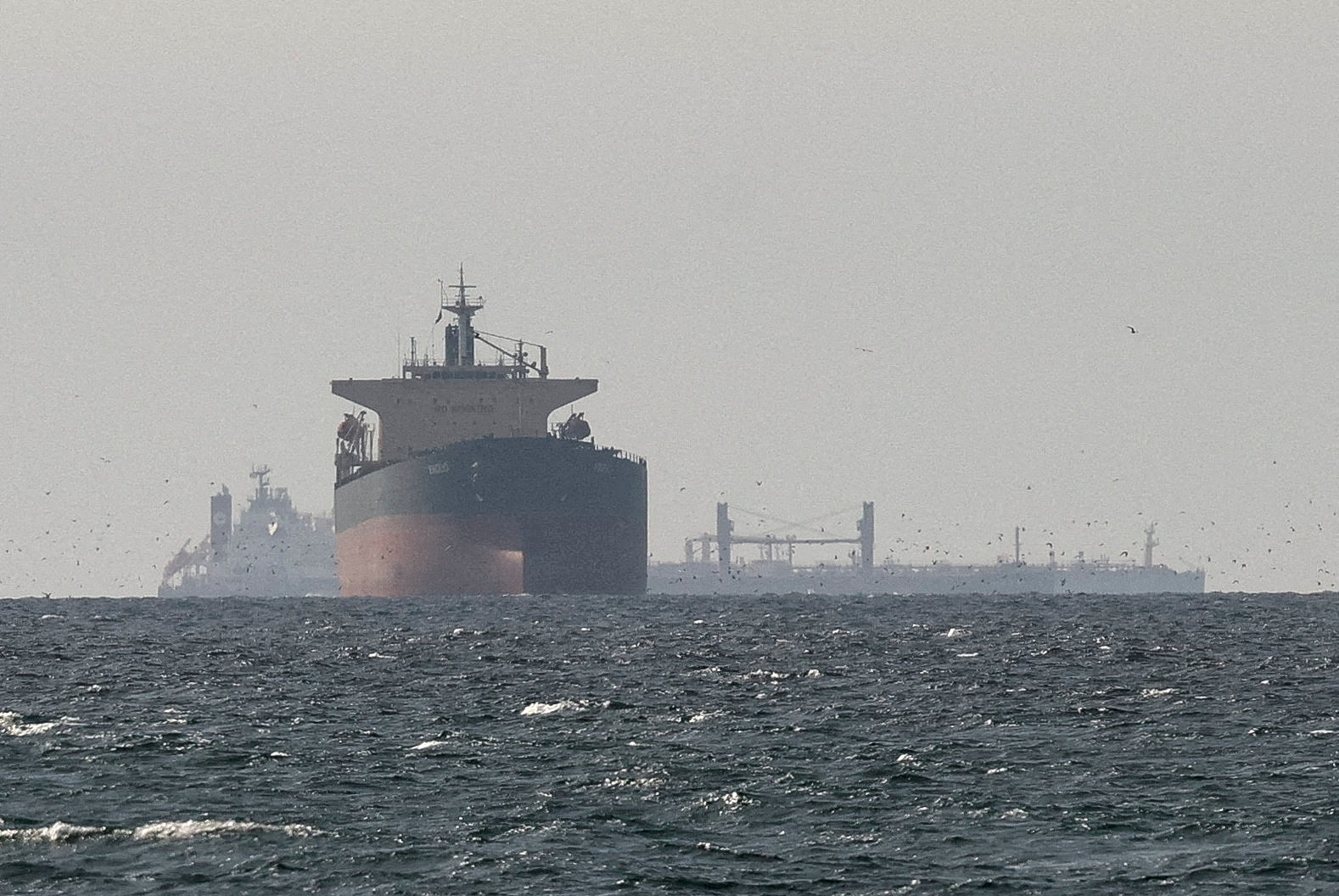
Iran’s fortifications on 19 islands near the Strait of Hormuz have enabled it to block most oil tankers, causing an economic crisis and reducing global traded crude oil traffic from 20% to a trickle since the U.S.-Israeli air war began on February 28.
These strategically located islands, including Kharg, Qeshm, Abu Musa, Larak, and the Tunbs, are equipped with radar systems, airstrips, missile installations, and naval assets, allowing Tehran to exert significant control over the 100-mile strait. Yossi Kuperwasser, former head of Israeli military intelligence research, confirms that the required shipping route passes directly between these Iranian-controlled islands.
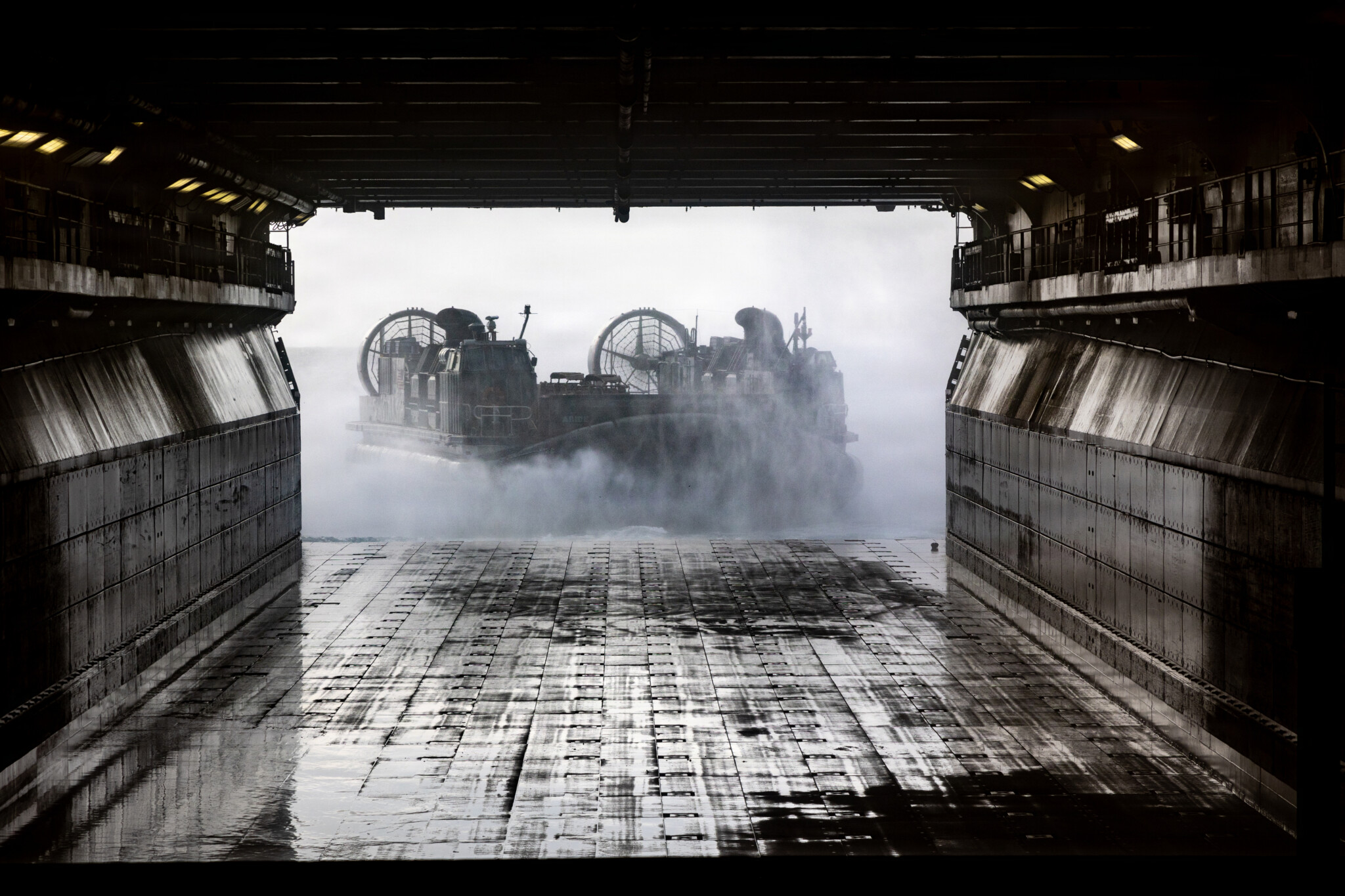
The arrival of the USS Tripoli, an amphibious assault ship carrying elements of the 31st Marine Expeditionary Unit, signals a potential military operation to reopen the strait. While the U.S. launched an assault on Kharg's military installations, its oil facilities, which handle 90% of Iran's crude exports, remained operational.
Lloyd’s List Intelligence analysts, including Tomer Raanan, report a disturbing development: vessels now transit a channel between Larak and Qeshm, hugging the Iranian coast, a significant deviation from pre-war patterns. The Islamic Revolutionary Guard Corps (IRGC) uses Larak, described by Max Meizlish of the Foundation for Defense of Democracies as "the corridor’s operational backbone," to monitor and screen ship traffic, with some vessels reportedly paying up to $2 million in Chinese yuan for passage.