
News
Bank Of Canada · Energy Prices · Inflation · Monetary Policy
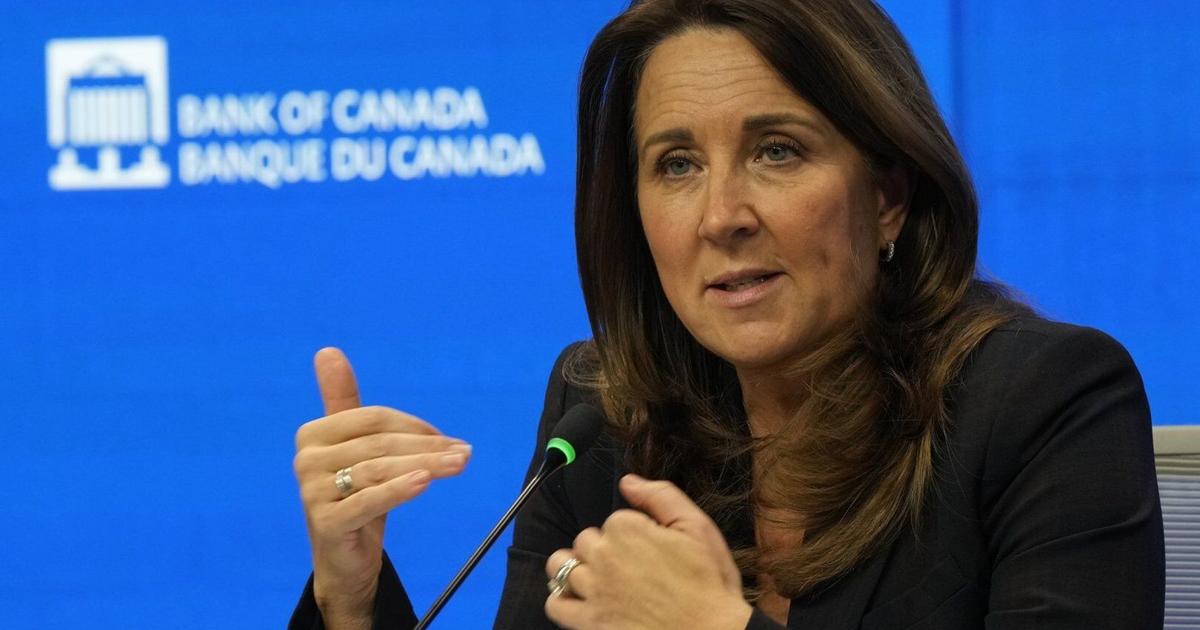
Bank of Canada Senior Deputy Governor Carolyn Rogers affirmed the central bank's commitment to preventing higher energy prices, stemming from the war in Iran, from evolving into persistent inflation, despite headline inflation having dropped below 2% in February.
Rogers emphasized the need to guard against energy price increases spreading to other goods and services, aligning with the Bank of Canada's mandate to maintain 2% inflation. Markets currently anticipate three BoC interest-rate increases by the end of 2026, leading to a climb in sovereign-bond yields.
Governor Tiff Macklem previously stated that while the risk of energy costs broadening seemed contained, officials would not allow persistent inflation to take hold. Rogers noted that while Canada, as a net exporter of crude and natural gas, benefits from higher energy prices, these costs also squeeze household budgets and corporate margins, with gasoline prices up roughly 30% from February, according to the Canadian Automobile Association.
Tighter financial conditions and increased uncertainty are expected to weigh on spending and investment. The central bank will monitor Middle East developments and their economic impact, ready to respond as needed.
Rogers acknowledged the BoC previously underestimated the persistence of inflation post-Covid-19. Some economists, however, argue that underlying Canadian economic weakness, including a nearly 7% drop in job vacancies in January from 12 months prior, may offset fuel costs, potentially negating the need for rate hikes in 2026.
Asia FX Plummets; Japan CPI Misses BOJ Target

