News
Geopolitical Risk · Inflation · Market Volatility · Oil Prices
Escalating conflict in the Middle East is driving significant volatility across global financial markets, with U.S. index futures pointing sharply lower following a mixed close on Monday.
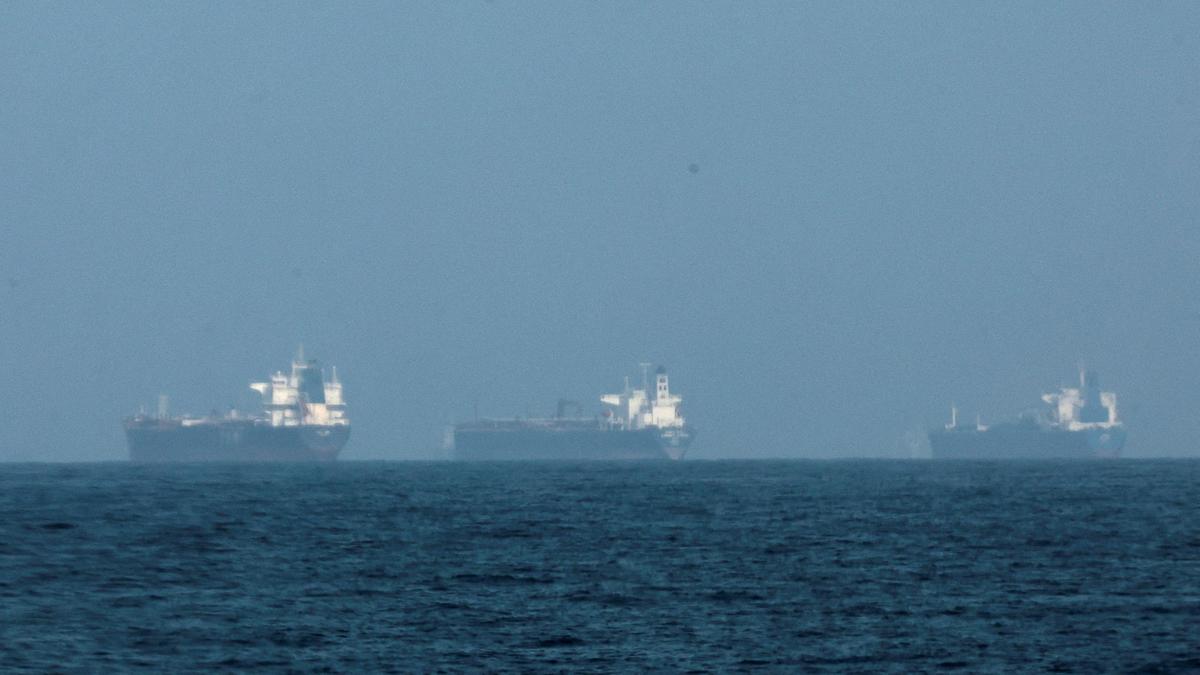
The renewed geopolitical tensions, including Iran's closure of the Strait of Hormuz and Qatar's LNG production halt, have sent crude oil prices soaring above $80 a barrel and natural gas prices surging globally. This commodity spike fuels concerns about persistent inflation, potentially delaying interest rate cuts or even necessitating hikes, as warned by central bank officials like the ECB's Philip Lane and RBA's Michele Bullock.
Asian and European markets experienced sharp declines, with indices like South Korea's Kospi plummeting over 7%. While some sectors like networking and oil producers saw gains, airlines and housing stocks suffered.
The U.S. dollar strengthened, and gold futures saw a significant drop after an initial jump. The conflict's duration, estimated by President Trump at 4-5 weeks, suggests a prolonged period of market uncertainty.