
News
Airline Stocks · Geopolitics · Global Markets · Oil Prices
Global financial markets exhibited a mixed performance on Friday as the Middle East conflict, now in its seventh day, continued to escalate with Israeli airstrikes on Iran and Lebanon.
Oil prices resumed their upward trajectory, with benchmark U.S. crude surging 4.1% to $84.36 per barrel and Brent crude gaining 1.7% to $87, nearing a two-year high. This surge in oil prices is raising concerns among analysts and investors that a sustained climb to $100 per barrel could significantly impede global economic growth. Equity markets showed divergence: U.S. futures for the S&P 500 and Dow Jones Industrial Average fell, while European indices like Germany's DAX and Paris's CAC 40 also slipped.
Britain's FTSE 100, however, saw a slight gain. Asian markets were largely positive, with Hong Kong's Hang Seng jumping 1.7% and Tokyo’s Nikkei 225 up 0.6%.
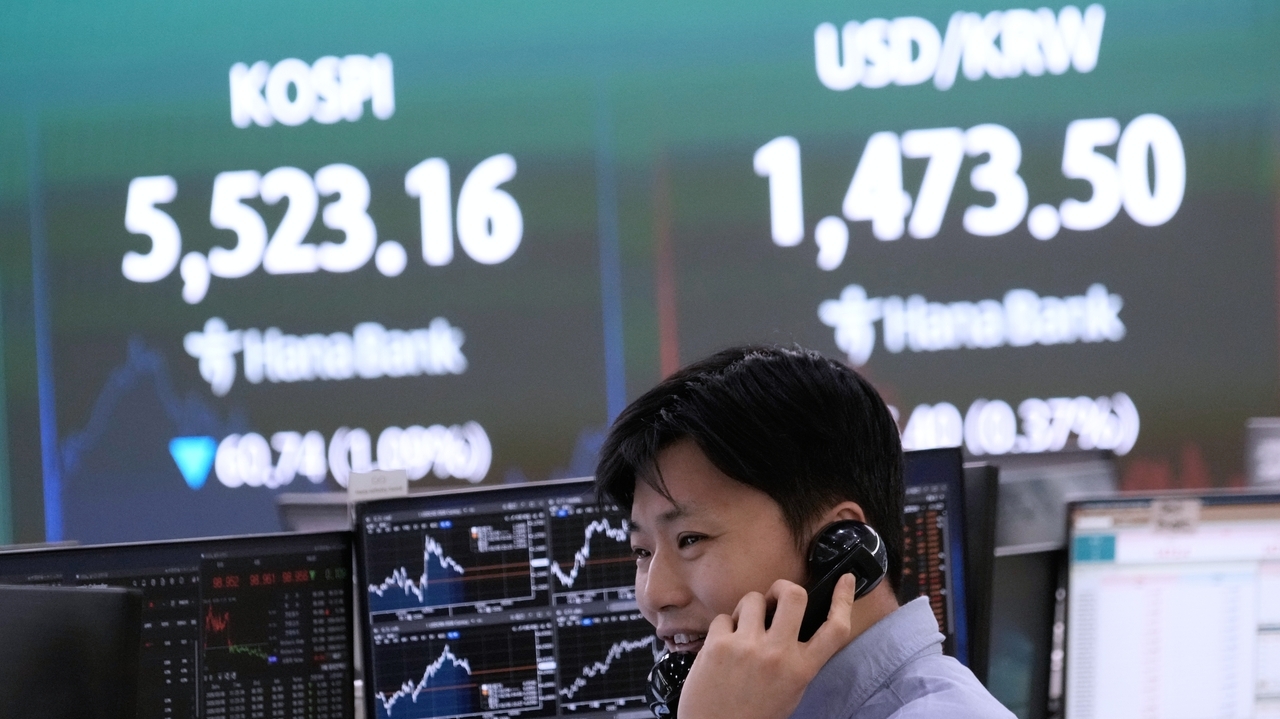
South Korea's Kospi edged up after a volatile week, including a record 12% loss followed by a 10% rebound. The airline sector was particularly hard hit, with American, United, and Delta Air Lines experiencing significant declines due to rising fuel costs and travel disruptions.
The U.S. dollar strengthened against the Japanese yen, while gold and silver prices also rose, reflecting a flight to safe-haven assets amidst the geopolitical uncertainty.
French Bond Yields Swing on Middle East Uncertainty

