News

Asian Markets · Geopolitical Risk · Inflation · Stock Sell-Off
Asian equity markets experienced a sharp downturn on Wednesday, primarily driven by escalating concerns over the U.S.-Iran conflict and its potential inflationary impact, prompting a widespread shift away from riskier assets.
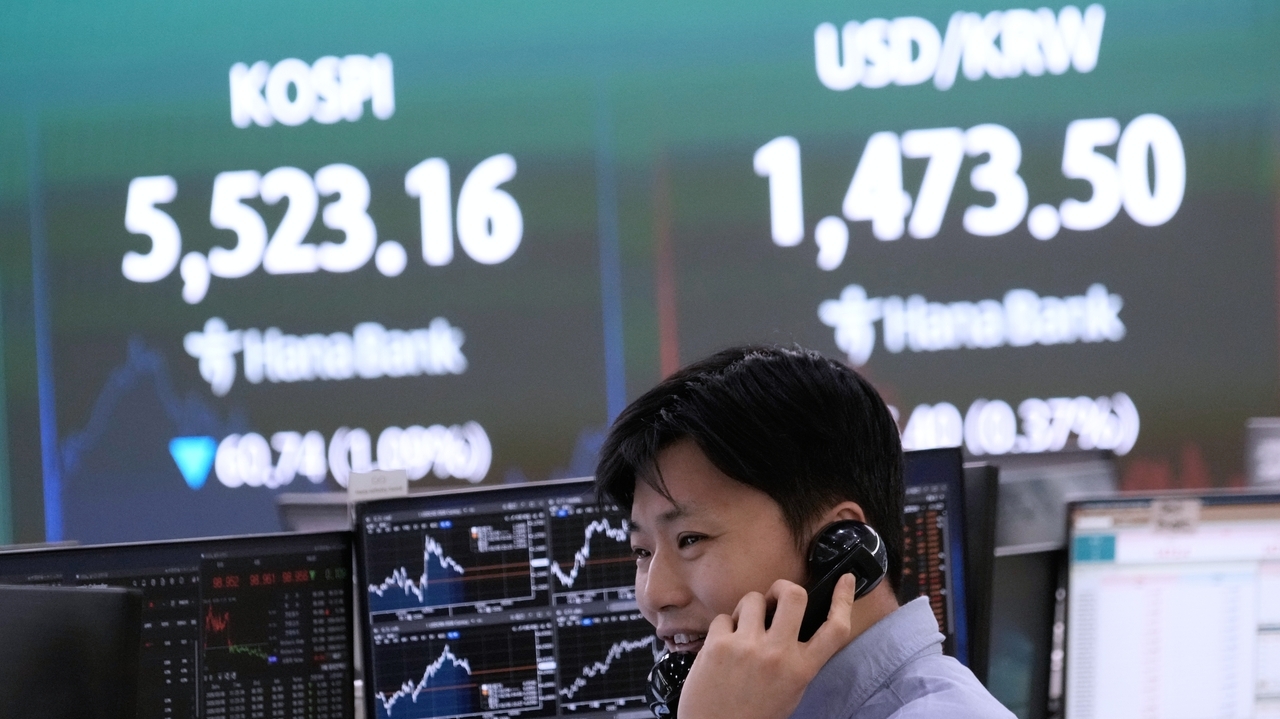
South Korea's KOSPI index was the hardest hit, plummeting 11% and necessitating a trading halt, as investors engaged in profit-taking following strong early-2026 gains. Major chipmaking and auto stocks, including Samsung Electronics, SK Hynix, and Hyundai Motor, bore the brunt, with Samsung's reported delay in its Texas chip facility production to 2027 further weighing on sentiment.
The KOSPI now trades 16% below its recent record high. Elsewhere, Chinese stocks, including the Shanghai Composite and Hang Seng, fell 1-3% after mixed February PMI data revealed resilient export demand but persistently weak domestic consumption, underscoring the need for further economic stimulus from Beijing.
Australian shares also declined 2.1%, with strong Q4 GDP growth overshadowed by concerns about sticky inflation, leading to warnings from RBA Governor Michele Bullock about potential further rate hikes. Japanese markets, including the Nikkei 225 and Topix, dropped over 4%, partly due to profit-taking.
The broader regional anxiety stems from fears of prolonged global energy supply disruptions and their stagflationary implications.