News

Asian Markets · Bond Yields · Mideast Conflict · Oil Prices
Asian equities and government bonds surged Wednesday as optimism for a swift resolution to the Middle East conflict eased inflation concerns, despite persistent high oil prices.
President Trump announced the U.S. would leave Iran in two to three weeks and plans an "important update on Iran" speech, according to White House press secretary Karoline Leavitt. Iran President Masoud Pezeshkian stated Tehran is ready to end the conflict but seeks unspecified guarantees.
Westpac Strategy Group members confirmed "more credible steps toward de-escalation" are emerging, forcing a market repricing of conflict outcomes. Japan's Nikkei Stock Average climbed 3.6%, South Korea's Kospi jumped 5.2%, and Singapore's FTSE Straits Times Index gained 1.7%.
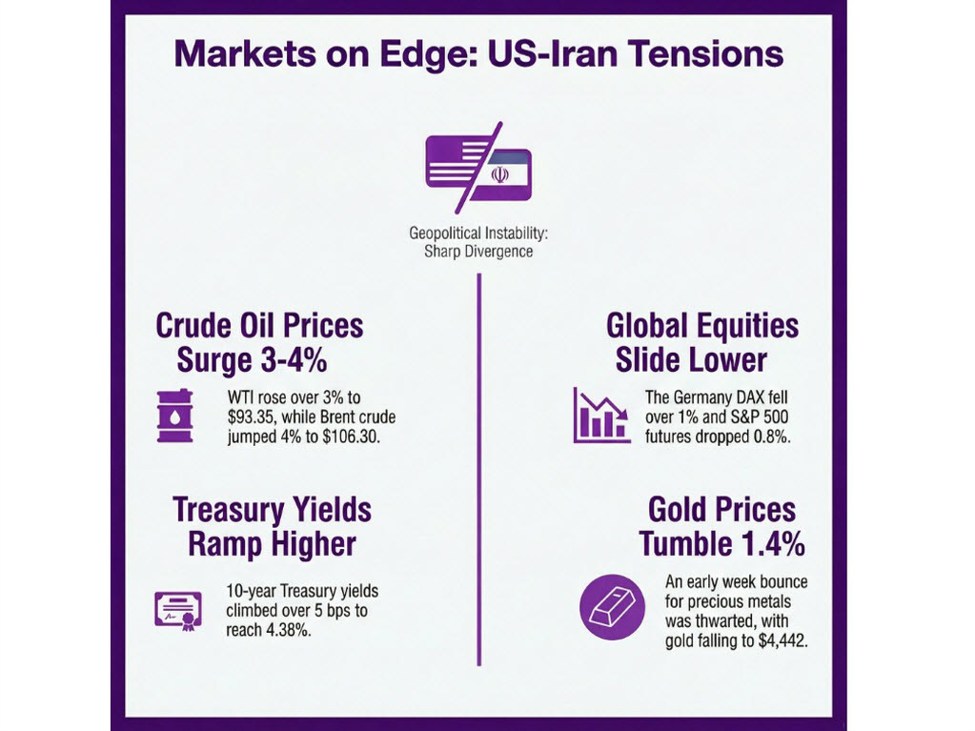
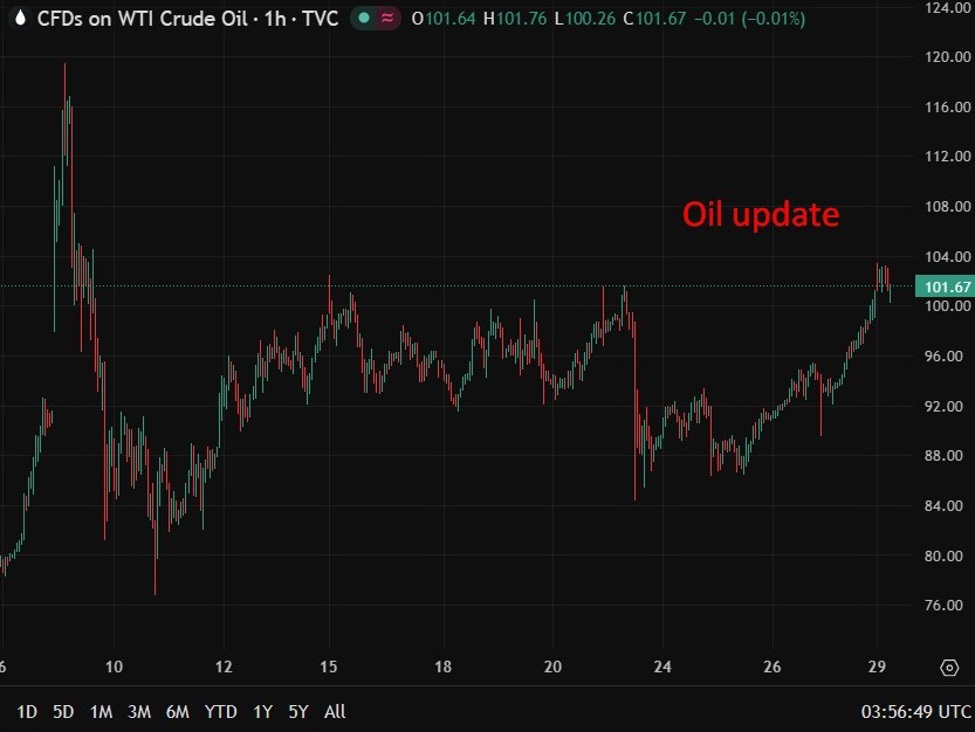
Yields on 10-year Japanese government bonds fell 3 basis points to 2.325%, Australian sovereign securities declined 4 basis points to 4.9360%, and New Zealand government debt dropped 10 basis points to 4.6320%. However, oil prices remained elevated, with front-month West Texas Intermediate crude futures rising 1.2% to $102.60 per barrel and front-month Brent crude futures gaining 1.2% to $105.18 a barrel, ICE data showed.
This occurred after Trump told aides he is willing to end the U.S. military campaign against Iran even if the Strait of Hormuz stays mostly closed, The Wall Street Journal reported, citing administration officials. StoneX's Matt Simpson warned that if the U.S. steps back without restoring flows through the Strait of Hormuz, persistently higher oil prices and renewed inflation pressures are the most likely outcome, a scenario markets are not fully pricing.
French Bond Yields Swing on Middle East Uncertainty
Mideast De-escalation Boosts Asian Equities, Bonds(current)