News

Container Shipping · Oil Prices · Strait Of Hormuz · Supply Chain Disruption
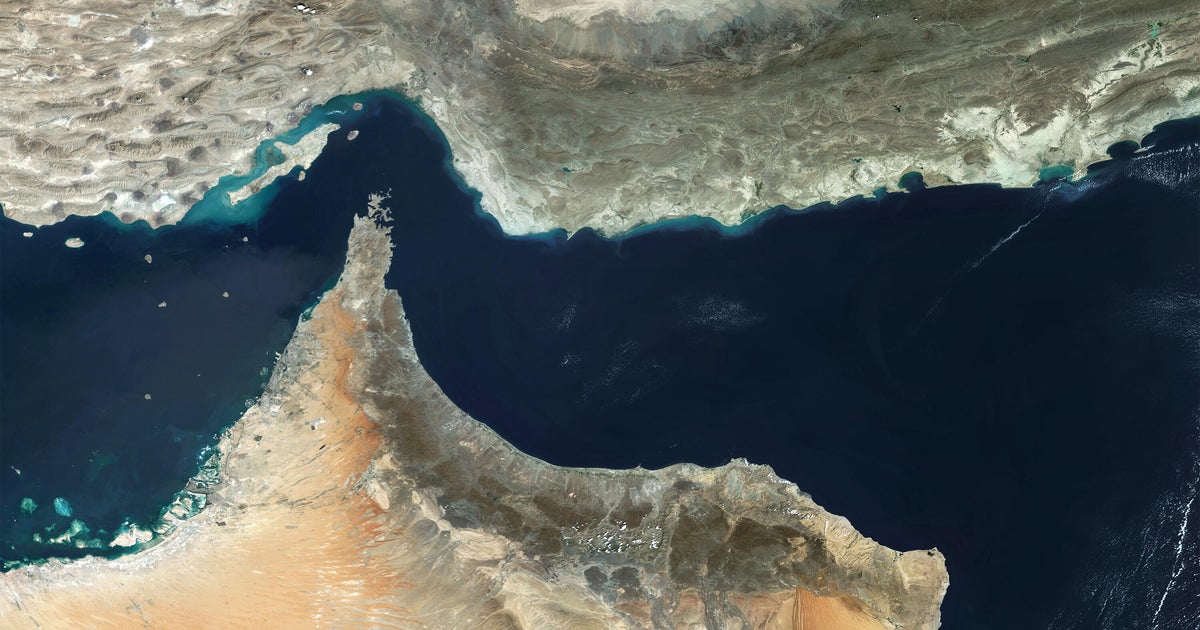
The closure of the Strait of Hormuz, now in its third day, is rapidly escalating into a multi-faceted crisis for global trade and energy markets.
Container shipping companies have halted bookings to Middle East Gulf ports, leading to significant cargo backlogs at terminals and diversions to South Asian hubs like Colombo, Mundra, and Mumbai, rendering Jebel Ali non-operational. This disruption is expected to drive up freight rates, fuel costs, and exacerbate equipment imbalances.
Furthermore, the unavailability of war insurance for vessels in the region, coupled with rapidly escalating fuel prices, signals immediate financial pressures. Jeremy Nixon, CEO of ONE, warns that a prolonged closure of 21-25 days could force Middle Eastern production sites to curtail oil and gas output, potentially pushing oil prices to $100 a barrel and triggering a global energy spike.
The situation also carries a grave human cost, with recent tanker attacks and seafarer casualties highlighting the extreme risks.