News
Bond Market · Fiscal Deficit · Geopolitics · Inflation
The bond market has responded unusually to President Trump's military strike in Iran, with Treasury yields rising instead of falling as investors typically seek safe havens during geopolitical turmoil.
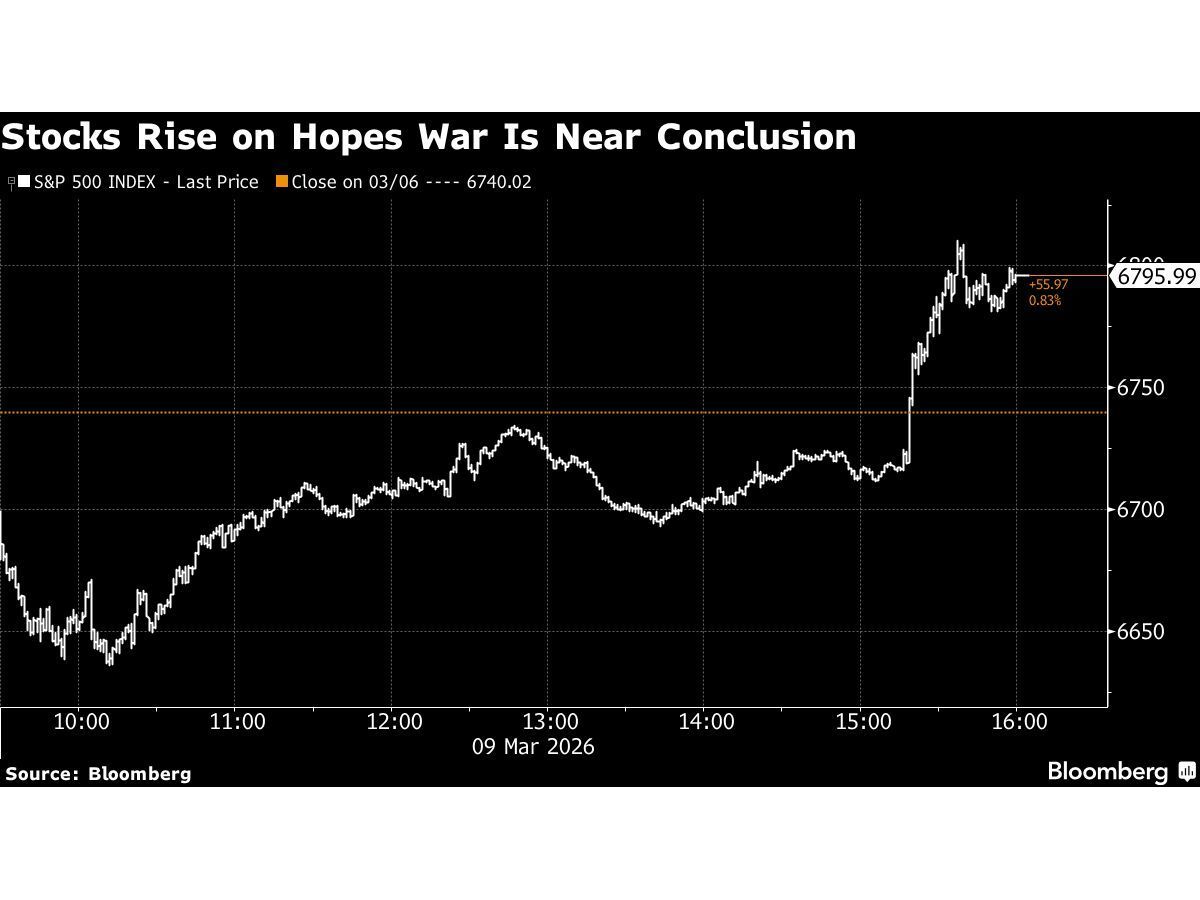
Initially, investors did flock to Treasuries, but by Monday, realized other asset classes like stocks weren't experiencing the severe downturn anticipated, and oil prices, while up 6-7%, didn't hit the feared 10-20% spike. This shift led to a sell-off in bonds.
Experts highlight two primary concerns driving higher yields: a prolonged conflict could significantly increase defense spending, exacerbating the already large U.S. fiscal deficit and necessitating more bond issuance, which demands higher interest rates from investors. Second, rising oil prices fuel inflation expectations, prompting investors to demand higher compensation.
However, analysts also note a critical tipping point: if energy prices surge too high, consumer demand could plummet and corporate costs, particularly for sectors like airlines, would soar, potentially triggering an economic slowdown. Such a scenario could paradoxically lead to falling Treasury yields as economic activity contracts.
French Bond Yields Swing on Middle East Uncertainty