News
Energy Markets · Geopolitics · Russia Economy · Ukraine Conflict
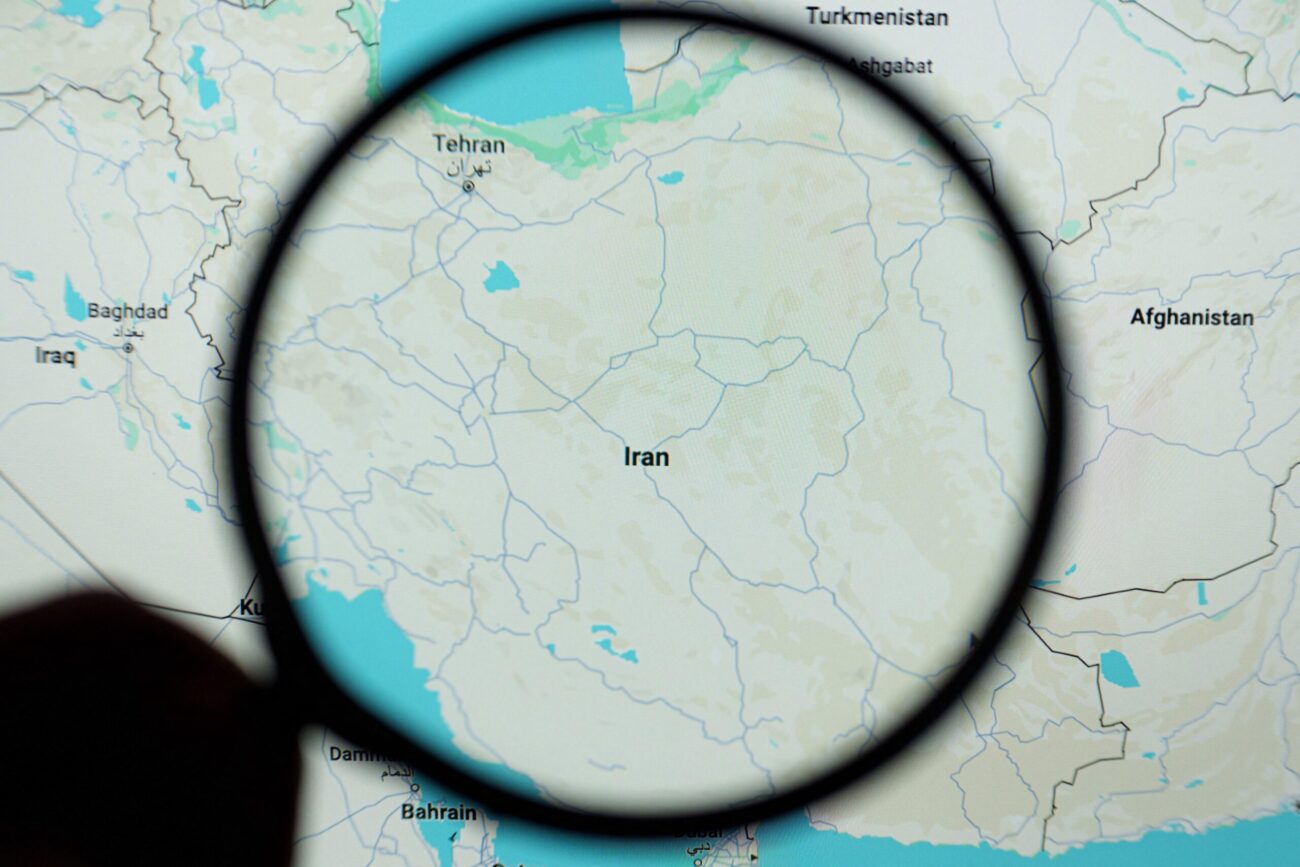
The current geopolitical landscape, particularly the conflict involving Iran, is creating significant ripple effects that primarily benefit Russia while exacerbating challenges for Ukraine.
Kyiv is reportedly experiencing a critical shortfall in missile interceptors, essential for its air defense capabilities. This depletion of vital military supplies, implicitly diverted or strained by other global conflicts, directly weakens Ukraine's ability to defend against ongoing aggression.
Concurrently, the broader instability is contributing to surging global oil prices. This rise in crude valuations is providing a substantial economic boost to Russia, a major oil exporter, thereby bolstering its financial resources despite international sanctions.
For investors, this scenario suggests continued volatility in energy markets and highlights the interconnectedness of global conflicts. Russia's strengthened economic position could enable it to sustain its military efforts longer, while Ukraine's weakened air defense poses a significant risk to its stability and reconstruction prospects.
The dynamic underscores how regional conflicts can have far-reaching economic and strategic consequences, influencing commodity prices and the geopolitical balance of power.