News
Economic Growth · Energy Prices · Geopolitics · Global Trade
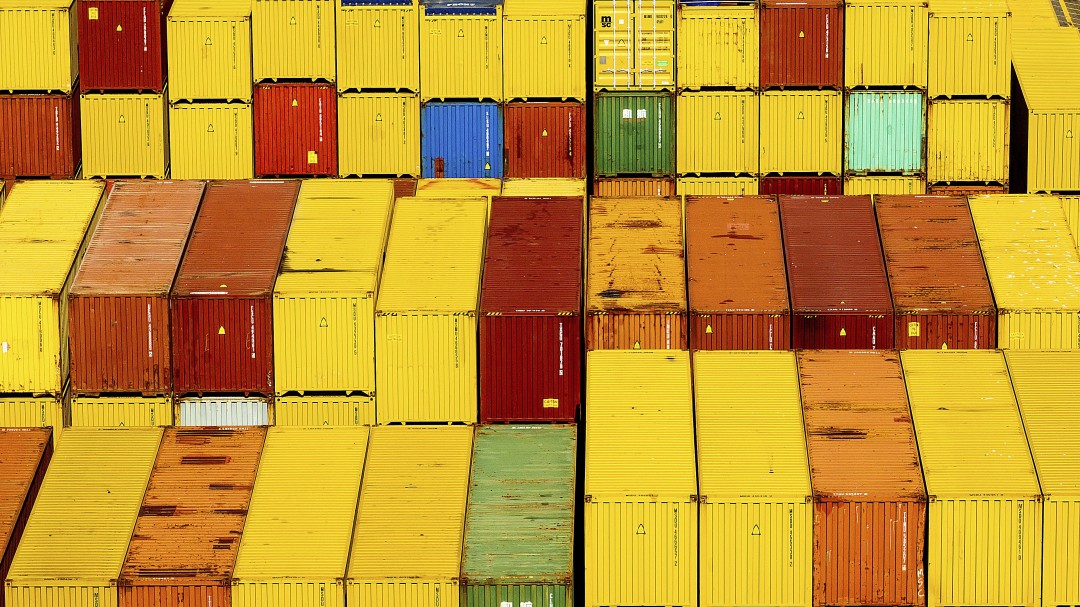
The World Trade Organization cut its global goods trade growth forecast to 1.4% from 1.9% and global GDP growth to 2.5% from 2.8%, citing the escalating Middle East conflict and associated energy risks as primary drivers for the significant downgrade.
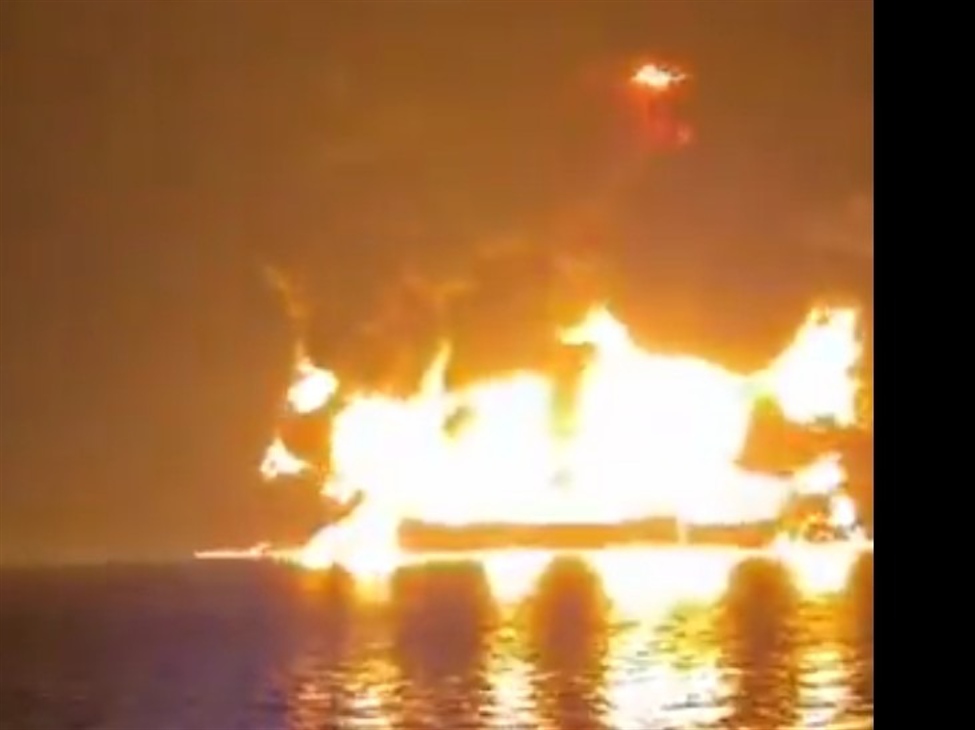
This revision follows heightened tensions involving Iran, including disruptions to energy production and critical shipping routes through the Strait of Hormuz, which elevate concerns about sustained supply disruptions and persistently high energy prices. The WTO states that elevated energy costs will act as a drag on consumers and businesses, increasing input costs, reducing disposable income, and tightening financial conditions, particularly in energy-importing economies like Europe and Asia.
Conversely, energy-exporting countries, including the United States, will see relative support from higher commodity revenues. The WTO also projects a slowdown in services trade, including tourism, with growth now expected at 4.1% if tensions persist, down from 4.8%.
Despite the weaker outlook, AI-related investment, such as semiconductors and data infrastructure, accounted for 42% of global trade growth in 2025 and will partially cushion the downside risks in 2026. Geopolitical uncertainty is reshaping global trade patterns, with the balance between these risks and AI investment determining future growth.

Growth in the Asia-Pacific region is expected to hold up, supported by tech-oriented economies and sectors, despite the energy shock unleashed by the Mideast war, S&P Global Ratings said.