News
Geopolitics · NATO · Oil Shipping · Strait Of Hormuz
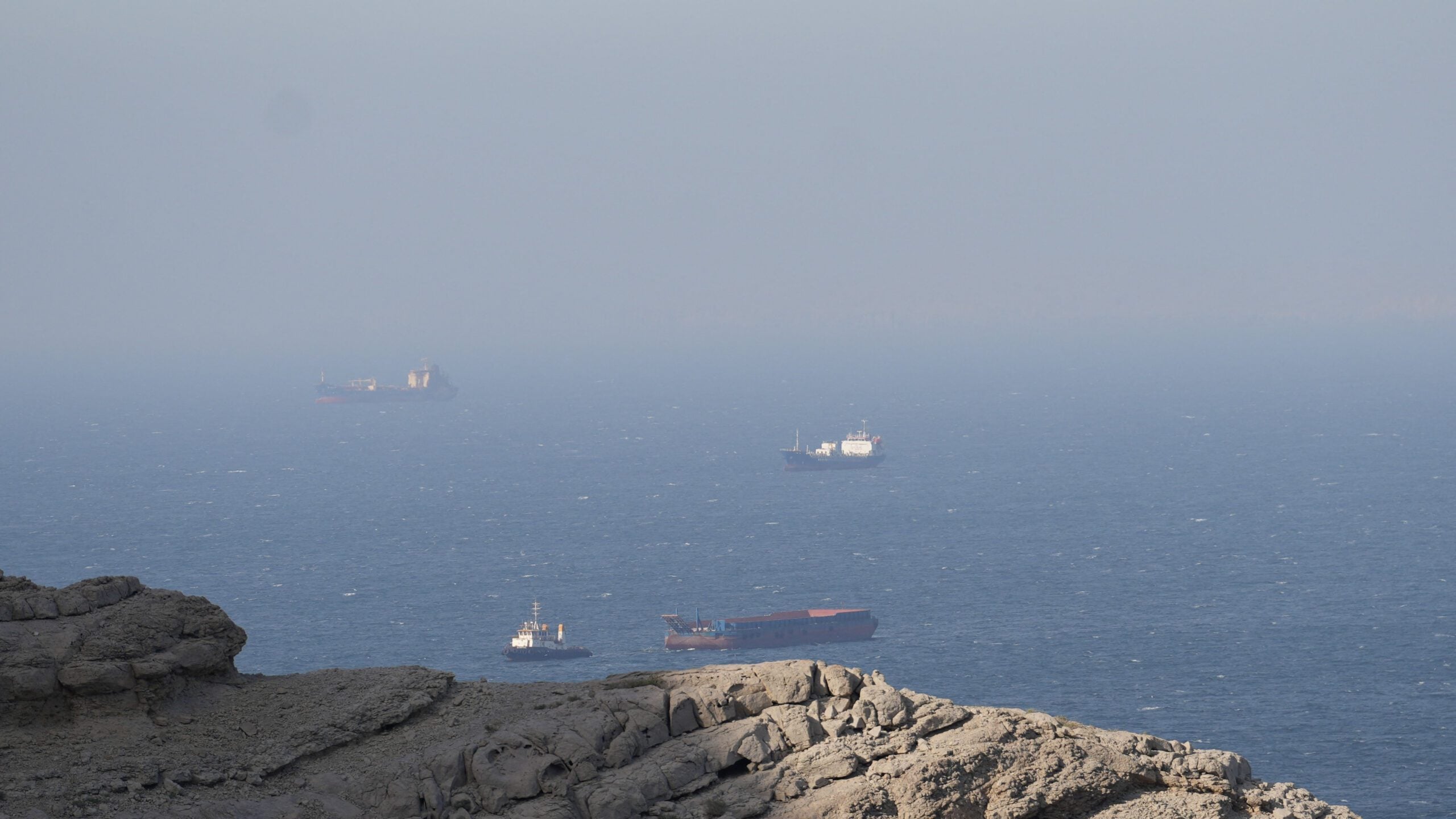
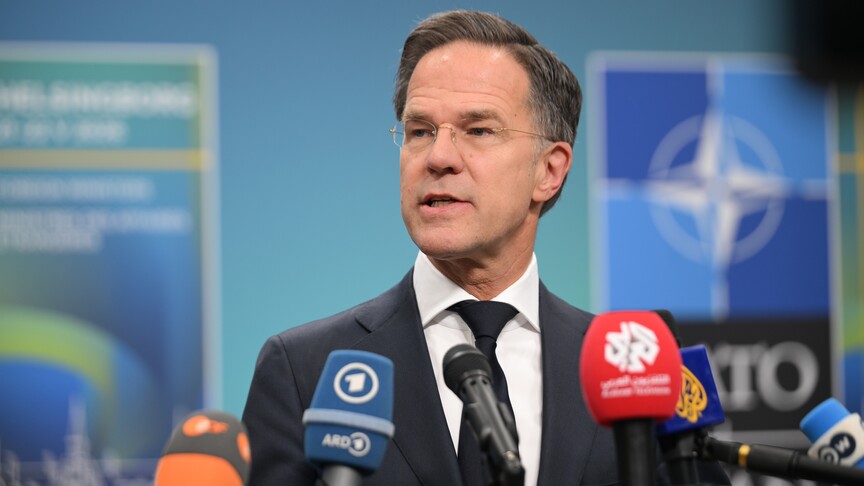
NATO Secretary General Mark Rutte confirmed NATO's readiness to support a European-led initiative to secure the Strait of Hormuz, through which one-fifth of global oil supplies pass, following a US-Iran agreement aimed at ending regional conflict, with European allies already deploying assets.
Rutte stated NATO's involvement is contingent on a request from participating nations, as the waterway lies outside NATO's direct area of responsibility. Britain and France are coordinating the multinational naval mission, with approximately 20 countries contributing.
European allies, including France, Britain, Italy, and Germany, have undertaken extensive military preparations over the past two months, deploying specialized capabilities like demining, radar, and fighter aircraft near the region. Warships are prepared to escort an estimated 2,000 tankers and cargo vessels awaiting passage.
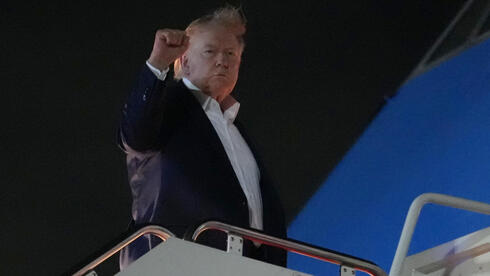
However, deployments are conditional on the US-Iran agreement holding, with officials like Italian Defense Minister Guido Crosetto emphasizing the vulnerability of demining vessels without security guarantees. US President Donald Trump expressed confidence in the US-Iran deal to ensure open navigation, though he acknowledged multinational participation could be beneficial.
Differences persist between the US and Iran regarding future transit fees, and the memorandum of understanding provides for reopening within 30 days, with 60 days for a broader settlement. The deal is expected to be formally signed in Switzerland on Friday.