News

Global Energy · Naval Mines · Oil Shipping · Strait Of Hormuz
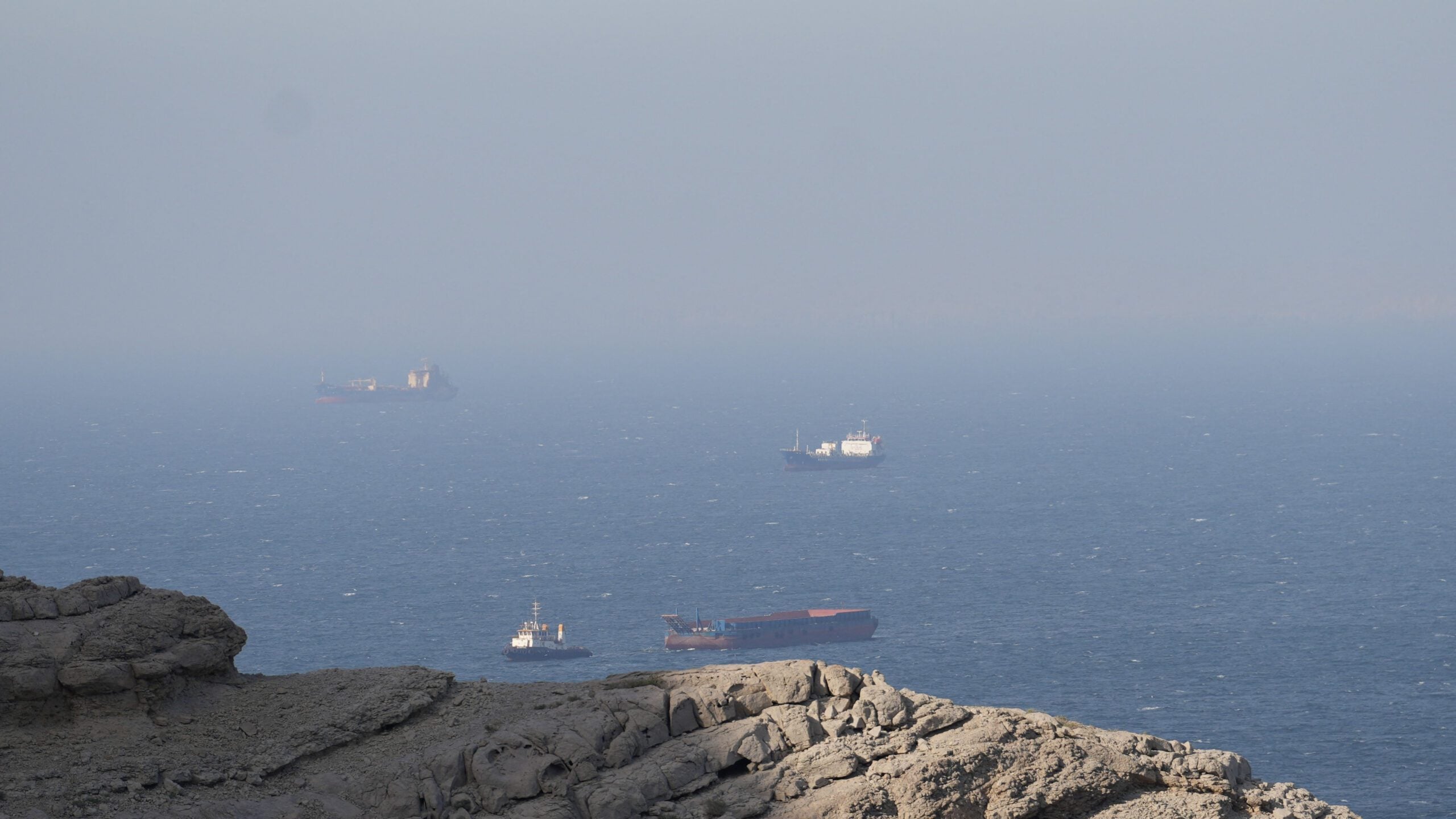
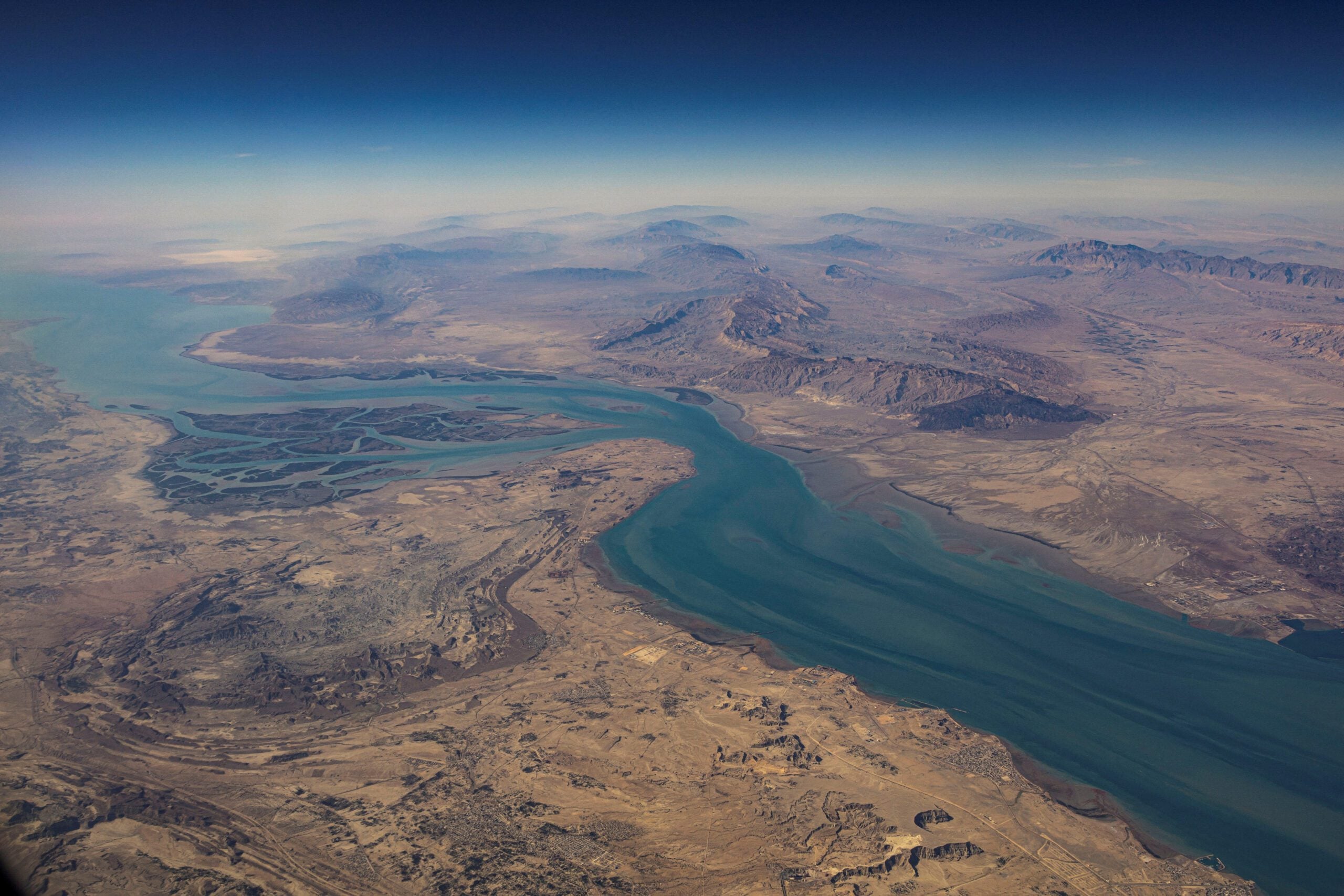
A preliminary agreement between the U.S. and Iran to end their war and reopen the Strait of Hormuz faces weeks of delays for shipping traffic as maritime security sources estimate 40 to 50 days are needed to clear potential naval mines.
This extensive operation involves conventional minesweepers and state-of-the-art underwater drones. The delay impacts tens of millions of barrels of oil, exacerbating a situation where global stockpiles are at their lowest levels since 2003, according to the U.S. Energy Information Administration.
Shipping officials, including Jakob Larsen of BIMCO, emphasize the continued high risk for transits, demanding mine-free routes. Iran has threatened to deploy naval mines, and U.S. Secretary of State Marco Rubio stated on June 2 that Iran mined large segments of international waters in Hormuz.
Germany’s navy, citing U.S. and British navies, noted mines in four locations on June 11. The potential for even one mine deters companies, as a supertanker and its cargo are valued at approximately $300 million, requiring strong assurances of safety, as stated by Rene Kofod-Olsen, CEO of V.Group.
U.S. military’s Central Command confirms ongoing efforts to clear mines laid by Iran’s Islamic Revolutionary Guard Corps. Despite some recent passage facilitated by the U.S. and Iran, daily shipping traffic remains significantly reduced at 12 to 15 vessels, compared to 120 to 140 pre-war.
Britain, France, and Germany dispatched warships for mine clearing. Corey Ranslem of Dryad Global estimates Iran possesses up to 1,000 naval mines, indicating removal could take weeks or months.
Arsenio Dominguez of the U.N.’s shipping agency welcomes the deal but stresses the time needed for safety guarantees.