News
Energy Markets · Geopolitics · Oil Shipping · Strait Of Hormuz
Two oil tankers, Kapodistrias 21 and Coslucky Lake, abruptly changed course this week, diverting from Africa to the Middle East's Fujairah port as shipowners race to reposition vessels ahead of the Strait of Hormuz's imminent reopening following an interim US-Iran peace agreement.
The crucial waterway, responsible for a fifth of the world’s oil and liquefied natural gas supplies, has been effectively closed since late February after the US and Israel struck Iran. The interim deal, pledging to end blockades and reopen the strait, is set for signing on Friday, June 20, 2026.
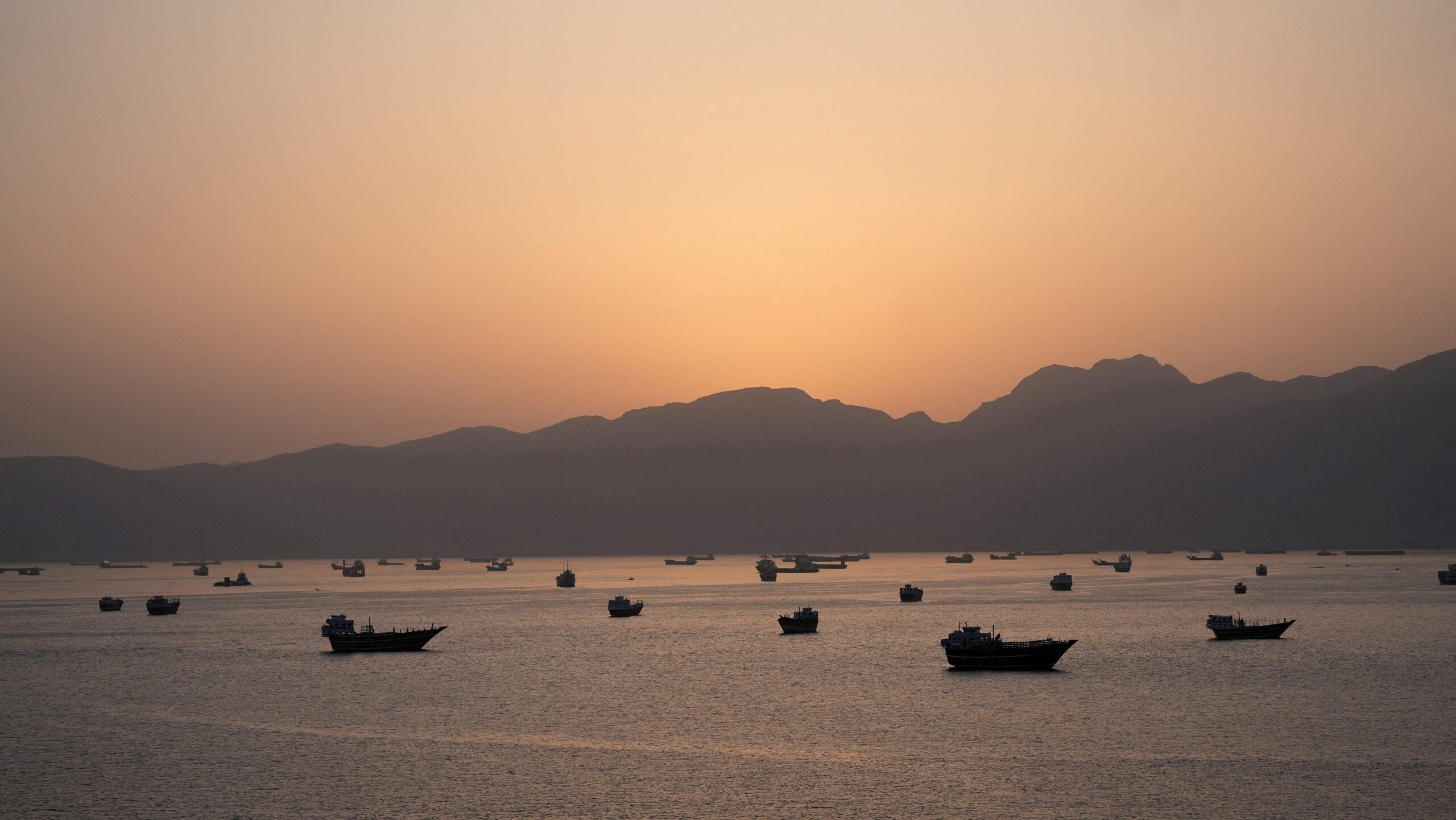
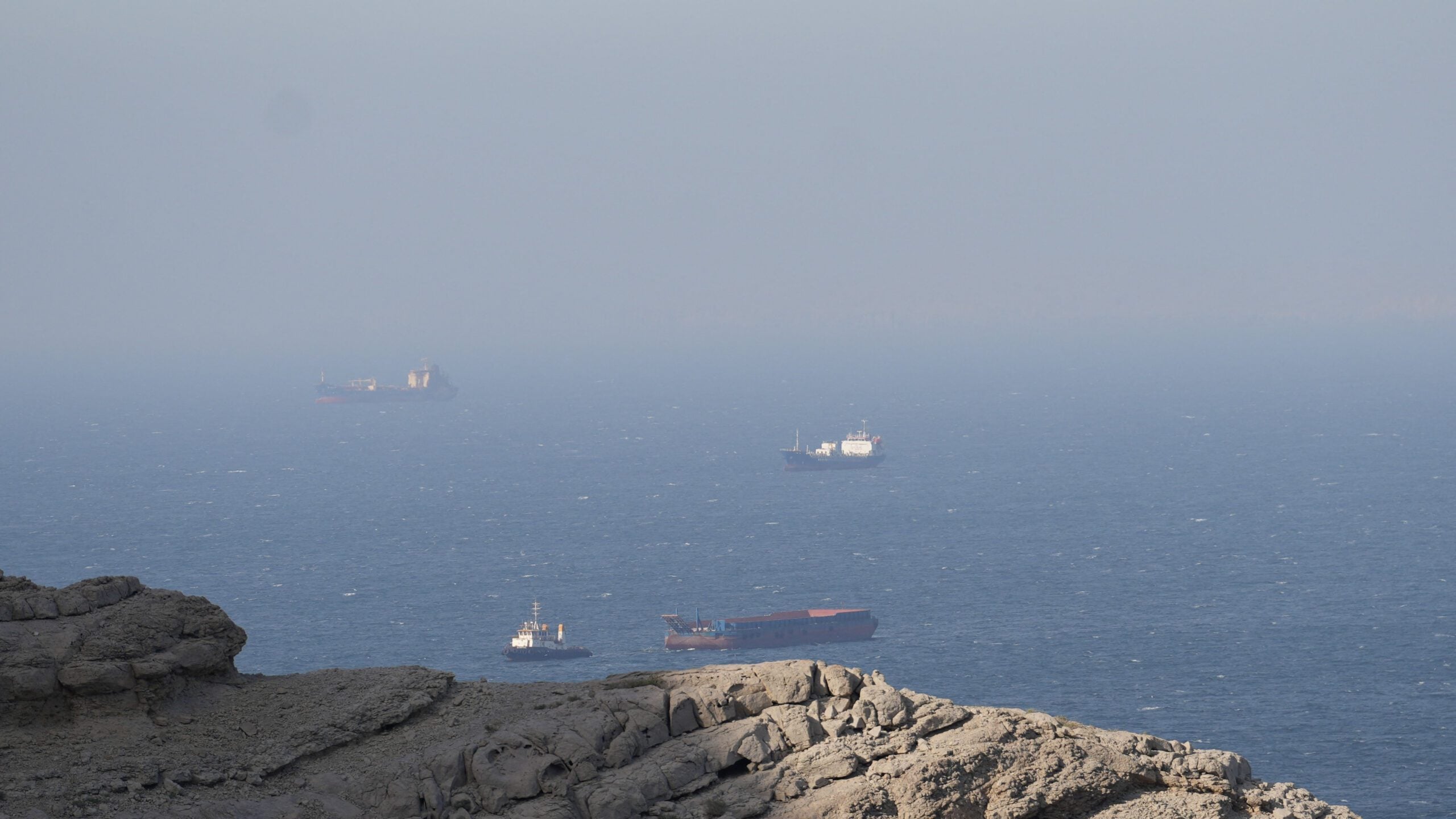
Shipowners with higher risk appetites are actively preparing to lock in voyages, anticipating higher rates due to a lingering risk premium. The number of empty supertankers waiting in the Gulf of Oman has surged to approximately 60 this week, up from about 36 earlier this month, indicating readiness for new cargoes.
Iran-linked vessels are also shifting positions, and Qatar is bringing at least four empty LNG tankers back to the Middle East to ramp up exports. Other ships stuck in the Persian Gulf are moving closer to Hormuz, heading towards an anchorage off Dubai to secure supplies and insurance before transit.