
News

Energy · Geopolitics · Oil Prices · Shipping
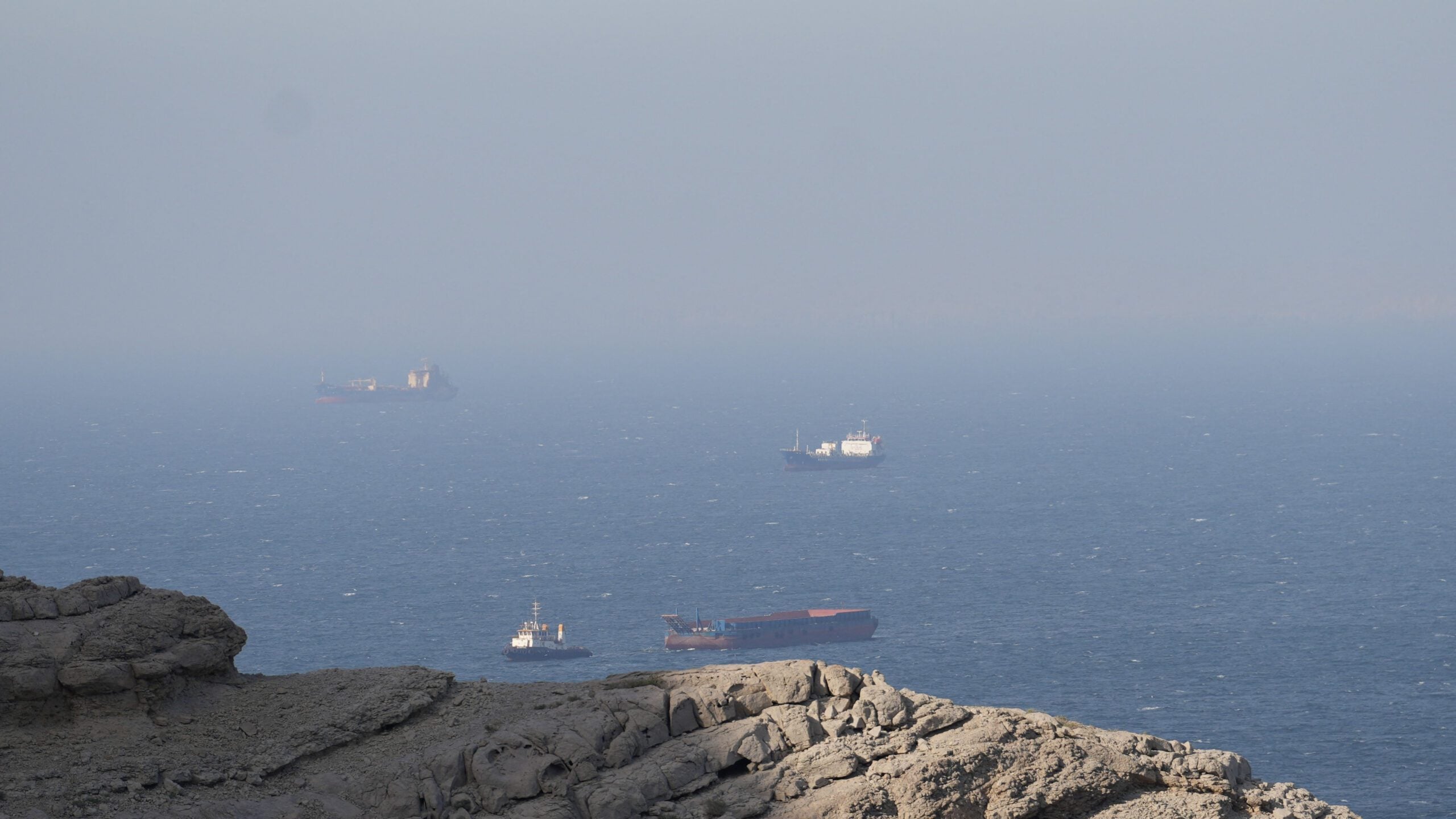
The Strait of Hormuz has reopened, easing immediate global energy supply risks following a deal to end the Middle East conflict, but economists and analysts project a full normalization of shipping and trade flows will take several months.
US President Donald Trump confirmed oil tankers resumed movement, with the critical shipping route "completely open" by Friday. This chokepoint handles 20% of global oil consumption and significant liquefied natural gas (LNG) exports.
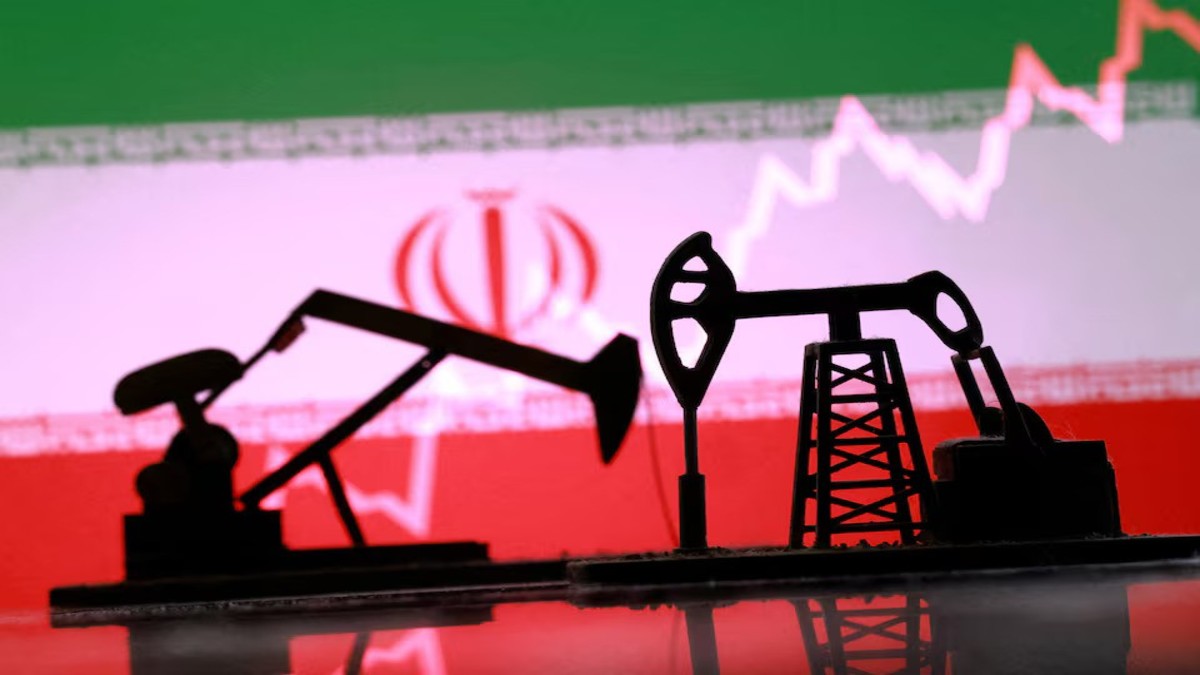
Disruptions from US-Israeli strikes on Iran since February 28 drove Brent crude to a high of US$114.07 per barrel on May 4, now easing to US$81.84. Dr.
Mohamad Idham Md Razak, a senior lecturer at Universiti Teknologi Mara Business Management Faculty, states full shipping recovery requires three to six months, as vessel operators await concrete security assurances, de-mining operations, and a sustained absence of maritime threats. A backlog of over 2,000 stranded vessels and rerouted shipping networks around Africa also needs clearing.
While crude oil prices are expected to ease, war-risk insurance premiums, freight rates, and bunkering costs will remain elevated in the near term, according to Idham. Affin Hwang Investment Bank Bhd head of research Loong Chee Wei expects crude prices to return to around US$70 per barrel, with a full-year forecast of US$77 per barrel.
For Malaysia, lower and more stable energy prices reduce the government's fuel subsidy burden and ease cost pressures on manufacturers and consumers. Sectors like consumer goods and manufacturing benefit from lower input costs, while oil and gas producers like Petroliam Nasional Bhd (Petronas) see moderated windfall earnings.

)